The Passion of Ayn Rand
1999
No user ratings available yet
Representation score: 4.2 out of 10
Representation Score
Fair
2003
Director
Julian Farino
Runtime
147 minutes
Average Rating
No ratings yetNew Showbiz Analysis
Lord Byron is portrayed as a complex character who defies traditional notions of greatness. The film effectively explores the fluidity of identity and challenges established social hierarchies. However, the historical context limits the film's ability to depict diverse racial backgrounds. The casting primarily includes actors with Anglo-Saxon backgrounds, reflecting the homogeneity of the time.
Category Breakdown
The film delves into the fluid nature of Lord Byron's romantic and sexual interests. It challenges the social structures of the Regency era by focusing on a protagonist whose identity transcends conventional norms.
Women are depicted as complex individuals who play significant roles in shaping the protagonist's emotional journey. They are not portrayed as submissive stereotypes but as influential figures.
The film reflects the limited racial diversity typical of the 19th-century British aristocracy. The casting predominantly features actors with Anglo-Saxon backgrounds, mirroring the historical homogeneity of the upper class.
The narrative criticizes the rigid norms imposed by Western institutions and religious expectations. It portrays Byron's defiance as a form of personal freedom from oppressive societal norms.
There is no notable depiction of visible or invisible disabilities within the film.
Present on Screen
Limited or Absent
Official Synopsis
Life and adventures of lord George Gordon Byron. BBC dramatization of the poet's final thirteen years
1999

2014
1967
1986
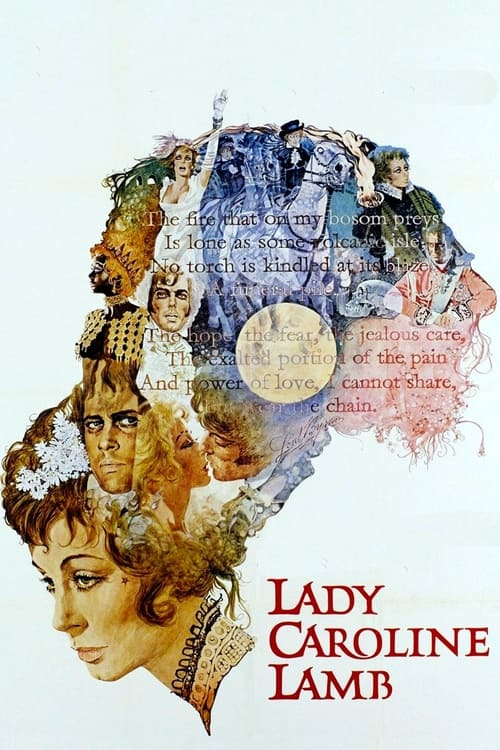
1972
2003
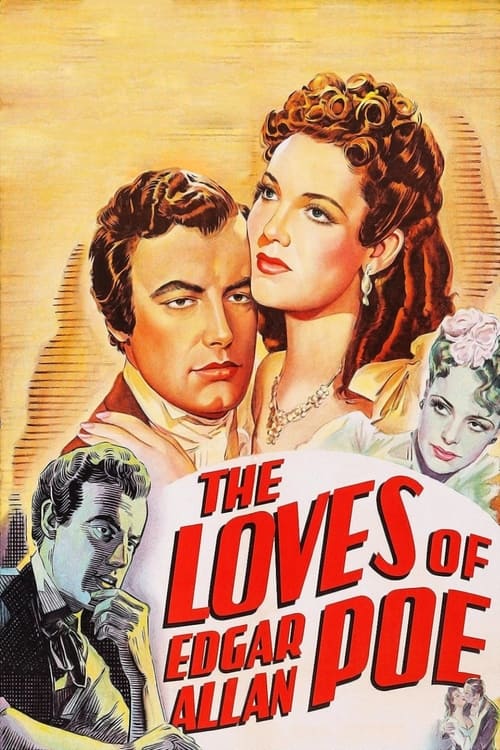
1942
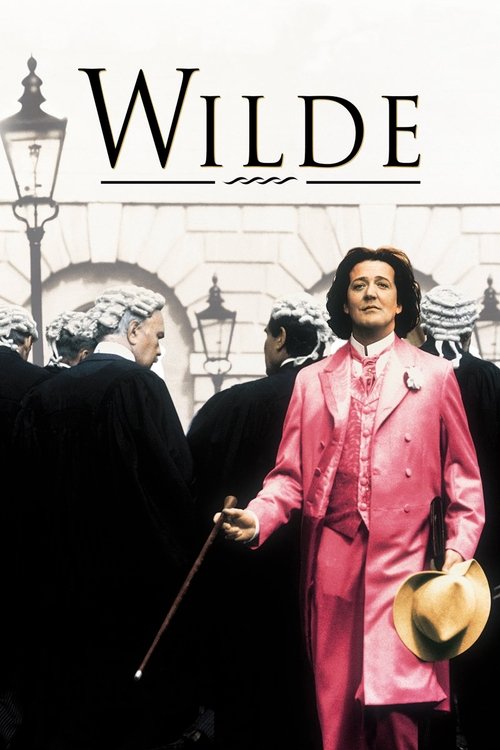
1997
No reviews yet. Be the first to share your thoughts on this movie!
Use the rating form above to leave a star rating and optional review.