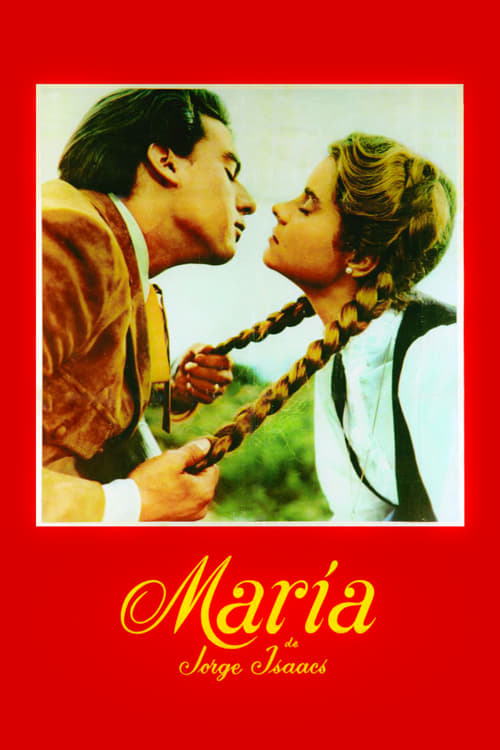
María
1972
No user ratings available yet
Representation score: 2.1 out of 10
Representation Score
Fair
2017
Director
Joaquín Llamas
Runtime
100 minutes
Average Rating
No ratings yetNew Showbiz Analysis
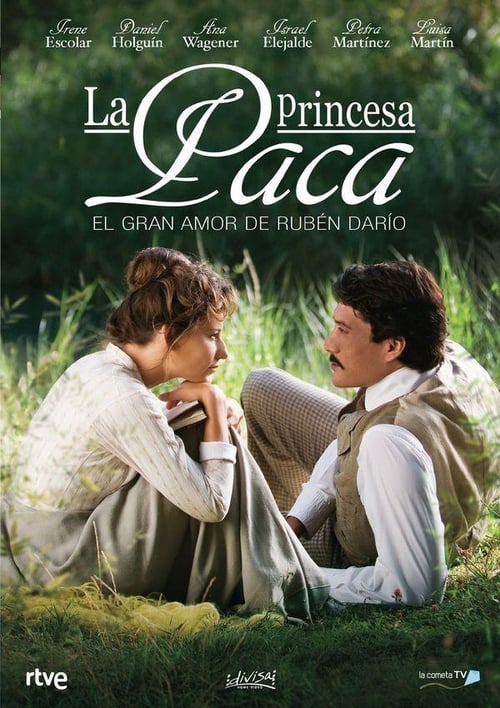
La princesa Paca is a biographical drama that finds its strength in intellectual and cross-cultural exchange. By centering the life of Francisca Sánchez del Pozo, the film moves away from standard romantic clichés to focus on memory and legacy. The inclusion of Nicaraguan poet Rubén Darío provides a vital connection to Latin American identity, preventing the film from becoming a purely Eurocentric historical piece. This intersection of Spanish and Nicaraguan history adds significant depth to the narrative structure. However, the film remains limited in its engagement with broader social identities. It lacks visible LGBTQ+ representation and does not address disability, focusing instead on a specific, character-driven historical window.
Category Breakdown
The film does not explicitly show any LGBTQ+ identities. It focuses on the historical relationship between Sánchez and the literary influence of Darío.
The story challenges traditional hierarchies by centering on Francisca Sánchez. Her life and intellectual legacy serve as the primary lens, highlighting her role in driving the story.
The narrative fosters a meaningful cross-cultural connection between Spain and Nicaragua. Including Rubén Darío introduces a non-Anglo-Saxon perspective that challenges typical Eurocentric period drama focuses.
The film explores historical memory and literary tradition. It emphasizes the psychological realism and subjective experience of a woman in the mid-20th century.
There is no mention of characters navigating physical or neurodivergent disabilities within the narrative.
Present on Screen
Limited or Absent
Official Synopsis
The story of Francisca Sánchez del Pozo, " Paca ", and the Prince of letters, the Nicaraguan Rubén Darío. In 1956, Francisca Sánchez, married to José Villacastín, and already in the twilight of her life, receives in Navalsaúz two writers, Antonio Oliver and Carmen Conde.
1972
2008
2009
2015
1990
2016
2010
2011
No reviews yet. Be the first to share your thoughts on this movie!
Use the rating form above to leave a star rating and optional review.