Love in Bloom
1935
No user ratings available yet
Representation score: 2.1 out of 10
Representation Score
Limited
1935
ApprovedDirector
Mervyn LeRoy
Runtime
93 minutes
Average Rating
No ratings yetNew Showbiz Analysis
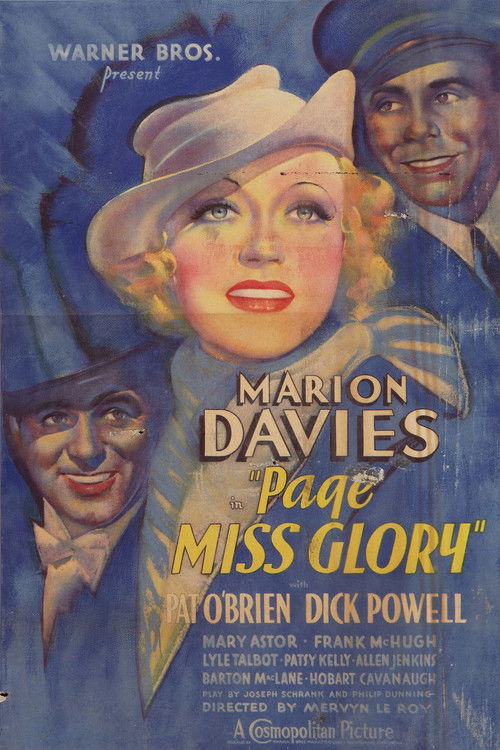
Page Miss Glory operates as a standard genre piece of the studio era, prioritizing traditional arcs of social mobility and romantic aspiration. The story architecture relies on established social hierarchies rather than disrupting them. The film utilizes the 'fish-out-of-water' cliché to explore the allure of metropolitan life. While the protagonist achieves upward mobility, the narrative framework remains rooted in the conventional social structures of the mid-1930s.
Category Breakdown
The film adheres to a traditional romantic comedy structure from the 1930s. There is no indication of LGBTQ+ identities or narratives that challenge conventional romantic pairings.
A female protagonist drives the story through her transition from rural life to urban celebrity. While she plays a significant role in driving the story, her success relies on traditional clichés of feminine charm and social assimilation.
The narrative focuses on class and geographic shifts rather than racial or ethnic diversity. The story likely centers on a homogeneous cast consistent with 1930s studio casting practices.
The film celebrates urban capitalism and the glamour of metropolitan celebrity culture. It aligns with Western values of individual success and social climbing within established institutional frameworks.
The provided information contains no evidence regarding the inclusion of characters with visible or invisible disabilities.
Present on Screen
Limited or Absent
Official Synopsis
A country girl goes to the city and gets a job in a posh hotel, and winds up becoming an instant celebrity thanks to an ambitious photographer.
1935
1957

1937
1936
1930
1935
1938

1932
No reviews yet. Be the first to share your thoughts on this movie!
Use the rating form above to leave a star rating and optional review.