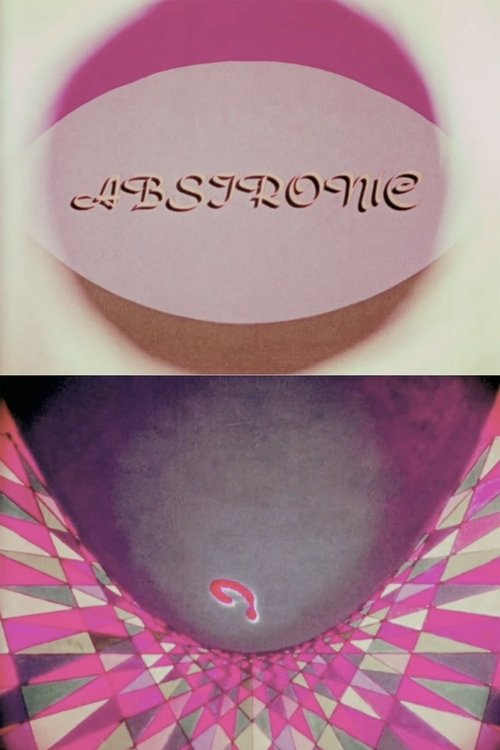
Abstronic
1952
No user ratings available yet
Representation score: 3.3 out of 10
Representation Score
Minimal
1962
Director
Evelyn Lambart, Norman McLaren
Runtime
5 minutes
Average Rating
No ratings yetNew Showbiz Analysis
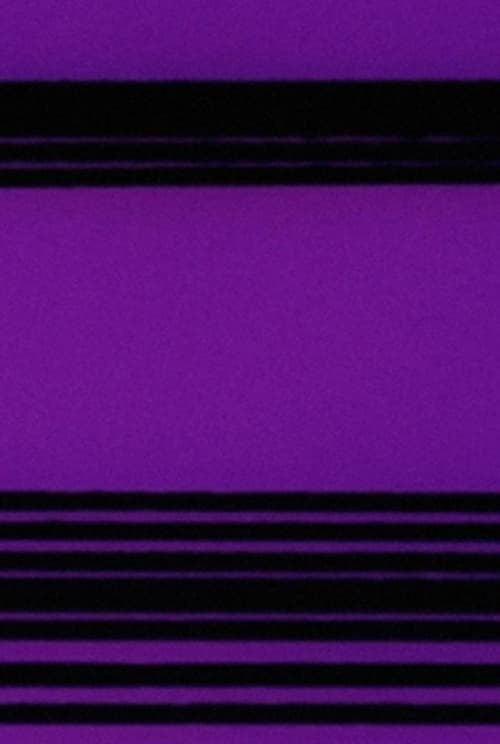
Lines: Horizontal is a formalist animation that operates through pure abstraction rather than character-driven storytelling. Since the film lacks a plot or dialogue, it cannot be evaluated using standard metrics of identity-based representation. The film's significance lies in its production, particularly the inclusion of Evelyn Lambart as a co-director, which challenges the male-dominated experimental animation landscape of the 1960s. Ultimately, the low diversity score reflects the inherent difficulty of applying social the way different parts of someone's identity overlap to a work composed entirely of lines, color, and music.
Category Breakdown
Since the film is a non-narrative, formalist work without characters or dialogue, there are no depictions of sexual orientation or gender identity.
As the film lacks human subjects, Evelyn Lambart’s role as co-director disrupts the traditional gender roles in animation production during the 1960s.
This abstract study focuses solely on geometry, color, and motion. With no cast or characters, it does not engage with racial or ethnic representation.
The work prioritizes mathematical precision and pure design, avoiding traditional Western moralities or nationalist themes by presenting a purely secular, aesthetic experience.
The film contains no characters or depictions of human physical or neurodivergent experiences. It remains strictly focused on abstract visual elements.
Present on Screen
Limited or Absent
Official Synopsis
An experiment in pure design by film artists Norman McLaren and Evelyn Lambart. Lines, ruled directly on film, move with precision and grace against a background of changing colors, in response to music specially composed for the films.
1952
1959
1949
1946
1940
1938
1955
1969
No reviews yet. Be the first to share your thoughts on this movie!
Use the rating form above to leave a star rating and optional review.