Hoppity Pop
1946
No user ratings available yet
Representation score: 0.0 out of 10
Representation Score
Minimal
1955
Director
Norman McLaren
Runtime
5 minutes
Average Rating
No ratings yetNew Showbiz Analysis
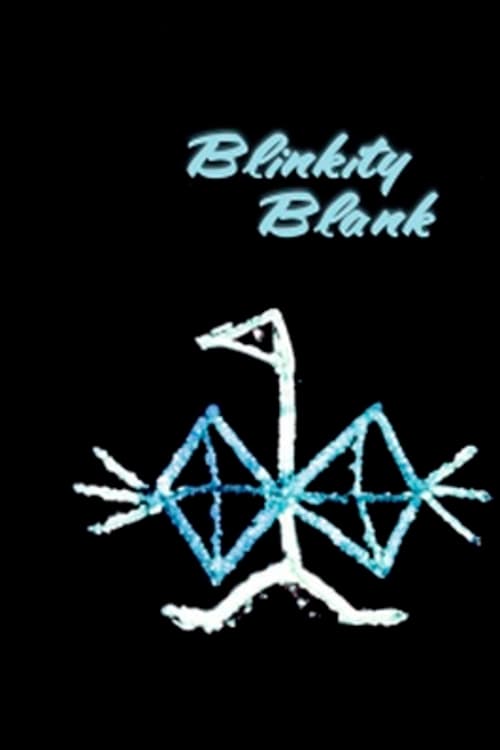
Norman McLaren’s *Blinkity Blank* is a pioneering work of formalist cinema that emphasizes the mechanics of light and motion over narrative structure. Using scratch techniques on blank film, the film focuses on the laws of persistence of vision and retinal after-images. Because the film avoids characterization and plot, it does not engage with social, political, or identity-based frameworks. Instead, it serves as a study of optical phenomena.
Category Breakdown
The film is an abstract experimental short without characters or dialogue, so it doesn't depict sexual orientation or gender identity.
There are no human figures or gendered roles in this work, so it doesn't address traditional masculinity or femininity.
The visual elements consist of rhythmic, flickering geometric shapes and lines. There is no representation of race, ethnicity, or cultural identity.
The film focuses on the study of visual perception and does not engage with social institutions, religious frameworks, or political ideologies.
The work does not include characters with visible or invisible disabilities. It explores sensory perception through a technical lens without narrative portrayal.
Present on Screen
Limited or Absent
Official Synopsis
A playful exercise in intermittent animation and spasmodic imagery. Playing with the laws relating to persistence of vision and after-image on the retina of the eye, McLaren engraves pictures on blank film creating vivid, percussive effects.
1946
1962
1959
1958
1969
1938
1952
1949
No reviews yet. Be the first to share your thoughts on this movie!
Use the rating form above to leave a star rating and optional review.