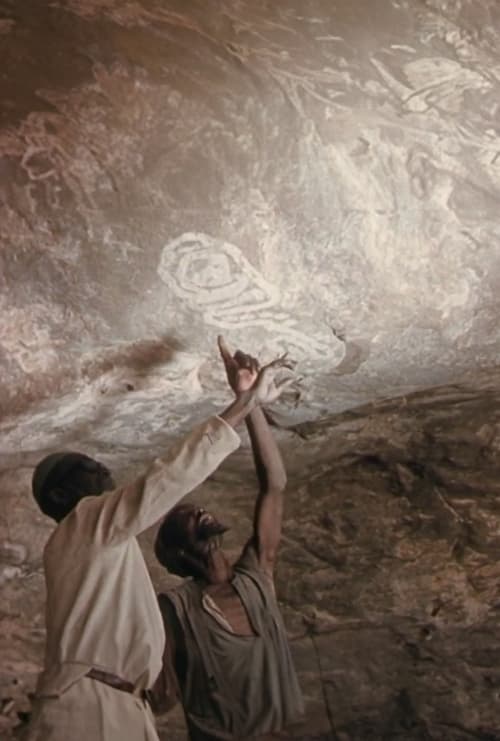
Sigui 1971: The Dune of Idyeli
1971
No user ratings available yet
Representation score: 6.0 out of 10
Representation Score
Excellent
1971
Director
Jean Rouch
Runtime
9 minutes
Average Rating
No ratings yetNew Showbiz Analysis
Jean Rouch’s participatory approach allows the Simiri people to maintain control over their narrative, moving away from the colonial observer model. The film succeeds by presenting indigenous practices as complex, structured systems of social cohesion rather than primitive spectacles. The documentary effectively counters Western cultural dominance by centering non-Anglo-Saxon traditions and spiritual responses to ecological crises. It replaces Western scientific logic with a sophisticated, functional spiritual framework. While the film lacks representation of LGBTQ+ identities or disabilities, its strong focus on racial and ethnic diversity provides significant value. It serves as a powerful reclamation of indigenous ability to act within the ethnographic canon.
Category Breakdown
The documentary focuses on a specific ritualistic event in Niger. There is no explicit mention of LGBTQ+ identities or stories in the footage.
The film highlights communal trance and spiritual invocation rather than patriarchal structures. However, there are no specific details about gender roles within the Simiri ritual.
The film centers the Simiri people and their cultural practices. By using a continuous take, it avoids exoticized editing and places non-Western traditions at the narrative center.
The work prioritizes non-Western spirituality and communal rituals. It presents a worldview where ancestral forces mediate the relationship between humans and the environment.
Ritualistic trance states are present, but these are cultural practices rather than representations of disability. There is no specific evidence of disability representation.
Present on Screen
Limited or Absent
Official Synopsis
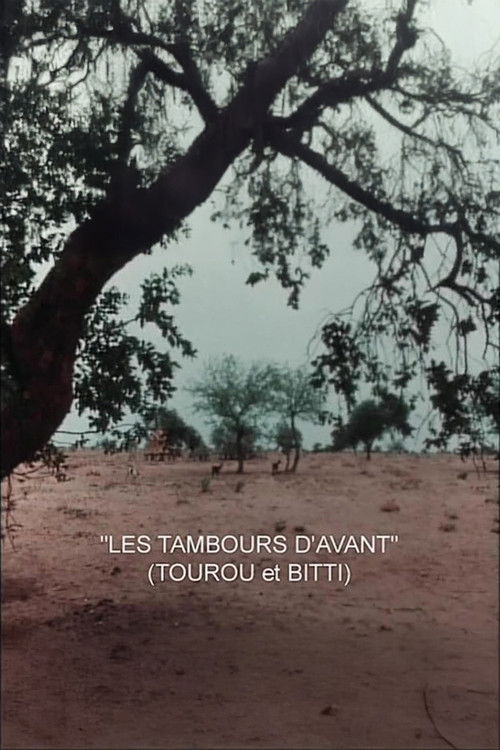
Filmed in May 1971 in Niger, this short documentary records a possession ritual performed by the Simiri people in response to a locust invasion. The ceremony centers on the beating of the archaic drums Tourou and Bitti, used to invoke spirit forces through music, dance, and trance. Shot in a single continuous take, the film documents a concentrated moment of collective ritual practice, reflecting Jean Rouch’s first-person ethnographic approach and direct participation in the event.
1971
1961
1972
1929
1959
2013
2013
1955
No reviews yet. Be the first to share your thoughts on this movie!
Use the rating form above to leave a star rating and optional review.