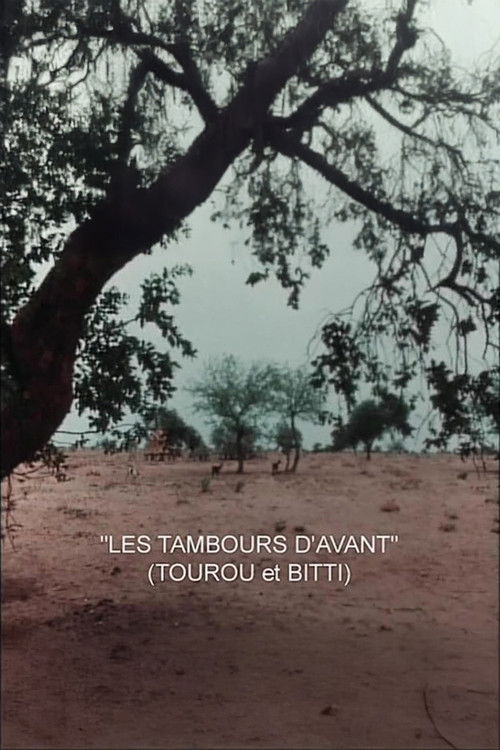
Drums from the Past
1971
No user ratings available yet
Representation score: 9.1 out of 10
No Poster Available
Representation Score
Excellent
2013
Director
Tiane Doan na Champassak, Jean Dubrel
Runtime
31 minutes
Average Rating
No ratings yetNew Showbiz Analysis
Natpwe is a significant work of cinematic anthropology that disrupts conventional documentary expectations. By allowing the ritual’s internal logic to dictate the pacing, the film avoids imposing Western narrative structures on its subjects. The film's primary strength lies in its presentation of indigenous ability to act and cultural autonomy as central to the human experience. It effectively challenges the notion of civilization as solely a Western construct. While the film excels in racial and cultural representation, it remains an observational study. This means specific depictions of LGBTQ+ identities or physical disabilities are not explicitly present in the footage.
Category Breakdown
The film does not show explicit representations of LGBTQ identities or stories. However, the focus on rituals providing relief from societal intolerance hints at a temporary space where rigid social structures and identities may become more flexible.
Gender roles are defined by spiritual involvement rather than patriarchal dominance. Women and elders play vital, active roles in the ritualistic community, emphasizing their importance and ability to act.
The film centers indigenous traditions and avoids the Western perspective. It portrays a non-white majority with high levels of ability to act, treating ancestral knowledge as a sophisticated, self-contained system.
The film critiques Western hegemony by highlighting animist traditions. It presents the ritual as a living institution that exists outside of capitalist or Western religious frameworks.
The film does not specifically address physical disabilities or neurodivergence. However, it explores trance states that provide insights into altered consciousness and enhanced sensory perception.
Present on Screen
Limited or Absent
Official Synopsis
In Natpwe, the feast of the spirits, co-directors Tiane Doan na Champassak and Jean Dubrel have produced an immersive, seemingly timeless document of an annual Burmese trance ritual that dates back to the eleventh century. Shot in Super 8 and 16mm in sooty black and white, the film conveys the astonishing sense of liberation of tens of thousands of bodies and minds — a mass expression of faith, but also a rapturous respite from societal intolerance.
1971

2004
1993
2015
2011
2010
1972
2013
No reviews yet. Be the first to share your thoughts on this movie!
Use the rating form above to leave a star rating and optional review.