Mis relaciones con Ana
1980
No user ratings available yet
Representation score: 1.5 out of 10
Representation Score
Limited
1969
Director
Manuel Michel
Runtime
89 minutes
Average Rating
No ratings yetNew Showbiz Analysis
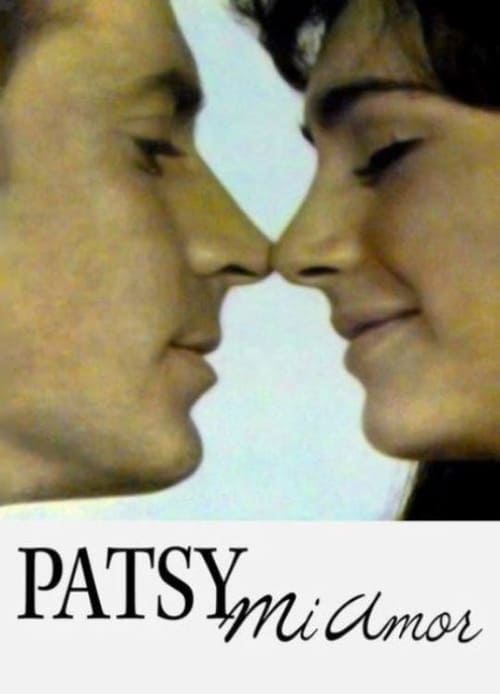
Patsy, Mi Amor opens in the warm, claustrophobic interior of a wealthy Mexican household, where the camera immediately frames the family home as a gilded cage. Written by Gabriel García Márquez and directed by Manuel Michel, the film uses this domestic space to stage a generational conflict that feels less like a tragedy and more like a gentle satire of the old guard. The sold meaning is clear: the rigid patriarch, played by Joaquín Cordero, is the joke. His inability to understand his daughter’s modern sensibilities is played for laughs, his authority undermined by his own obsolescence. The camera loves Patsy, lit with beauty lighting that emphasizes her agency, and it favors her choice to pursue the suave, married Ricardo over the safe, traditional path her father demands. The film’s argument is that personal happiness and romantic fulfillment outweigh familial duty. This is a distinctly modern, individualistic worldview for 1969, aligning with the emerging Mexican New Wave’s break from rigid studio formulas. However, the film’s internal logic reveals a contradiction: while it celebrates Patsy’s independence, it validates that independence only through her choice of a sophisticated, cosmopolitan man. Her agency is real, but it is channeled entirely into the traditional reward of romantic partnership. She never pays a significant price for her rebellion; the father’s disapproval is a temporary obstacle, not a permanent cost. The last image settles the moral verdict: the modern, self-directed woman wins, but she wins by choosing the man who represents the future, not by rejecting the structure of romance itself. The film is entertaining on its own terms, a character-driven drama that treats its protagonist with warmth and respect. It does not challenge the era’s gender roles so much as update them, presenting a vision of Mexican womanhood that is educated, attractive, and independent, yet still defined by her romantic choices. The father is hollow, a relic of a stifling past, while Patsy and Ricardo are alive, representing the desirable present. The film’s progressive edge lies in its refusal to treat the nuclear family as an unmarked good, instead framing it as a source of conflict that must be escaped. Yet, it stops short of a full inversion, leaving the traditional gender dynamics of the romance largely intact. The camera’s love for Patsy is genuine, but it is a love that ultimately settles for a conventional ending, rewarding her curiosity with a man who is, in the end, just another version of the male gaze she was trained to desire.
Category Breakdown
The narrative follows a strictly heterosexual romance between Patsy and Ricardo. No queer characters, intimacy, or identity markers appear on screen.
Patsy drives the plot as the moral center, choosing a married partner over her father’s expectations. The father is the satirical obstacle, while Ricardo represents the modern, desirable male option. Patsy’s agency is rewarded without lasting penalty.
The cast is entirely white or mestizo, reflecting the 1969 Mexican middle-class setting. No racial conflict or non-white characters are depicted. The focus remains on generational and class dynamics.
The traditional nuclear family is framed as a stifling cage, with the patriarch’s authority treated as the primary source of conflict. Patsy’s rebellion against domestic duty is validated as the correct path to happiness.
Absent. All characters are physically able-bodied. No disability, impairment, or medical condition is depicted or discussed.
Present on Screen
Limited or Absent
Official Synopsis
Written by future Nobel-prize winner Gabriel García Márquez, this is the story of Patsy, a wealthy debutante with an acute sense of living and boundless curiosity. She falls in love with an older man (Julio Alemán) whom is married and mediocre, and thus learns the hard way about unhappiness, marring her rose colored world.
1980
1965
1946
1976
1960
1958
1960
1958
No reviews yet. Be the first to share your thoughts on this movie!
Use the rating form above to leave a star rating and optional review.