Just Rambling Along
1918
No user ratings available yet
Representation score: 0.5 out of 10
Representation Score
Minimal
1923
Director
George Jeske
Runtime
12 minutes
Average Rating
No ratings yetNew Showbiz Analysis
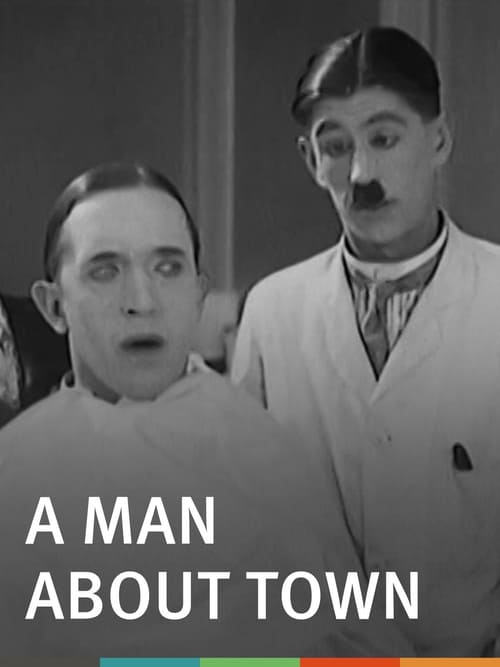
A Man About Town adheres strictly to the demographic norms and narrative structures of the 1920s. It functions as a typical silent comedy without attempting to challenge social hierarchies. The film relies on traditional archetypes, such as a male protagonist pursuing a female lead. This setup lacks depth in representing diverse identities. Ultimately, the work prioritizes slapstick humor and situational clichés over meaningful representation of underrepresented groups or systemic commentary.
Category Breakdown
The film follows a storyline focused on a man pursuing a woman, with no indication of queer subtext or non-cisgender identities.
The male lead is portrayed as less competent, while the female character primarily serves as an object of pursuit, reinforcing traditional gender roles.
The film reflects the homogeneous casting standards of the time, with no mention of non-Anglo-Saxon characters or racial diversity.
The story operates within the conventional social norms of the 1920s, offering no critique of Western institutions, religion, or capitalism, and focuses on light-hearted comedy.
The narrative does not provide any information about the depiction of physical or neurodivergent characters.
Present on Screen
Limited or Absent
Official Synopsis
A feckless young man who wishes to switch from one streetcar to another is told to follow a pretty young lady-- so he follows her all over town.
1918
1926
1914

1928
1921
1929
1915
1931
No reviews yet. Be the first to share your thoughts on this movie!
Use the rating form above to leave a star rating and optional review.