Hot Spell
1958
No user ratings available yet
Representation score: 4.9 out of 10
Representation Score
Minimal
1934
NRDirector
William Keighley
Runtime
74 minutes
Average Rating
No ratings yetNew Showbiz Analysis
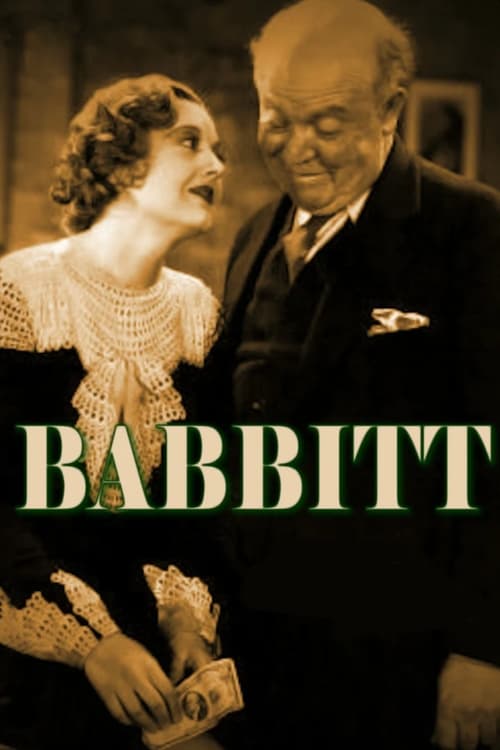
Babbitt serves as a period-specific social satire that prioritizes a critique of socioeconomic conformity over demographic variety. While it offers a sharp look at the hollow nature of the American Dream and capitalist rituals, the film remains deeply rooted in the traditional hierarchies of the 1930s. The narrative is characterized by a high degree of homogeneity. It focuses almost exclusively on a white, middle-class social structure, leaving little room for diverse identities. Ultimately, the film's strength lies in its cultural commentary on the 'herd mentality' of the era, even as it fails to represent a broad spectrum of human experience.
Category Breakdown
The film does not include any LGBTQ+ characters or non-straight relationships. Romantic and domestic tensions are strictly confined to traditional marital structures within the town of Zenith.
The narrative reinforces mid-century gender hierarchies. Female characters like Myra Babbitt primarily function within the domestic sphere to support the protagonist's social standing and respectability.
The setting reflects the historical homogeneity of the early 20th-century American Midwest. The social milieu is predominantly white and Anglo-Saxon, with no characters of color included.
The film provides a nuanced critique of mid-century consumerism and 'Booster' culture. It satirizes the pursuit of material status and the emptiness of social conformity.
There is no representation of physical or neurodivergent disabilities. The story focuses on socioeconomic and psychological stressors rather than disability-related character arcs.
Present on Screen
Limited or Absent
Official Synopsis
Middle aged George F. Babbitt is a leading citizen in the town of Zenith, the fastest growing community in America according to its town sign. George is a large part of that growth as a property developer and realtor. He is lovingly married to his wife Myra, the two who have two children, Ted and Verona who are approaching adulthood. George has always had a fearless attitude, much like that of a naive child, which has led to his business success. He encounters some personal stresses when he faces what he believes is a potential home-wrecking issue, and when his oldest friend Paul and his wife Zilla deal with domestic problems. These stresses make George want to provide even more to his own family, leading to George agreeing to participate in a less than scrupulous but lucrative business dealing. George's bravura gets him into a potential scandal. This situation makes him question his general behavior, especially toward his family.
1958

1933
1933

1953
1992

1945
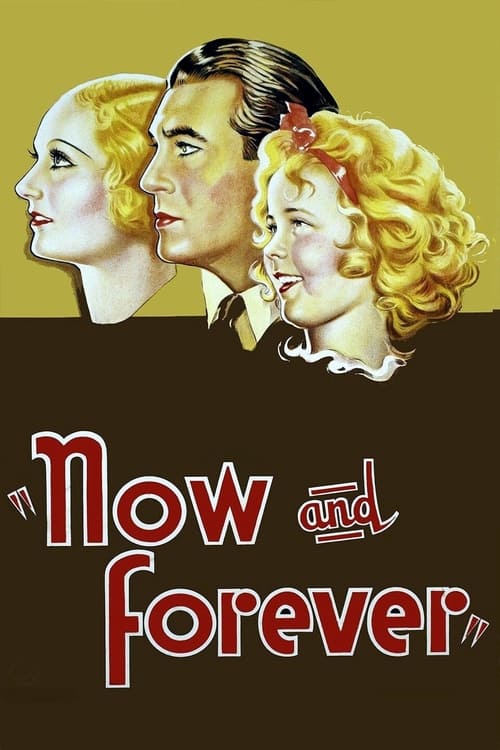
1934

1952
No reviews yet. Be the first to share your thoughts on this movie!
Use the rating form above to leave a star rating and optional review.