
Come Back, Little Sheba
1953
No user ratings available yet
Representation score: 5.6 out of 10
Representation Score
Fair
1958
UnratedDirector
Daniel Mann
Runtime
86 minutes
Average Rating
No ratings yetNew Showbiz Analysis
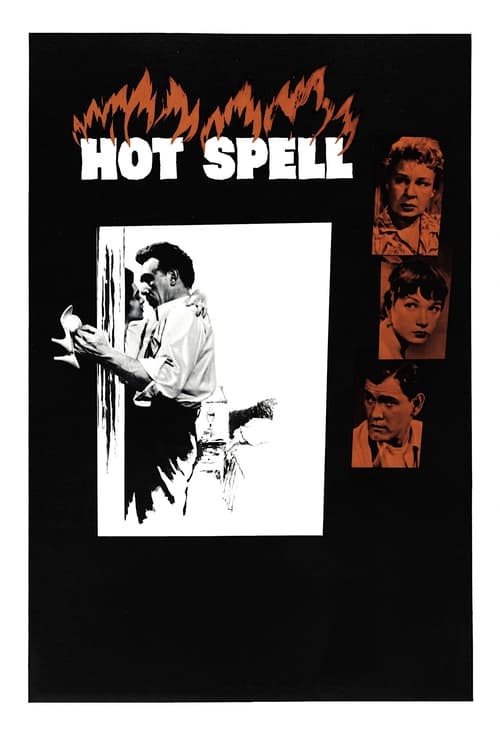
Hot Spell is a drama that moves away from the rigid social structures of the early 1950s. It excels in its detailed character studies, especially through the lens of women's resilience and the breakdown of traditional family structures. While the film provides a sophisticated look at the fragility of the nuclear family, it lacks depth in representing multiple aspects of identity. The narrative remains centered on the internal struggles of a central family, limiting its broader social critique.
Category Breakdown
The film doesn't show explicit representations of LGBTQ+ identities or intimate relationships. Instead, it focuses on the emotional isolation and unconventional desires within a family that assumes everyone is straight.
The story emphasizes the resilience and ability to act of women. It challenges the traditional hierarchy by highlighting Alma's struggle to deal with her husband's infidelity and her children's issues.
The film includes actors from diverse backgrounds, such as Dorothy Dandridge, suggesting an effort to include different perspectives. However, the story primarily revolves around the central family's personal conflicts.
The film questions the idealized image of the 1950s nuclear family. It portrays domestic life as unstable and fragmented, rather than a stable and sacred institution.
There are no characters with physical or neurodivergent disabilities in the film.
Present on Screen
Limited or Absent
Official Synopsis
Alma Duval, a middle-aged housewife, tries to hide how much she suffers from her husband's amorous excursions while trying to help her children solve their problems and doing her best to keep her family together as it's slowly falling apart. Meanwhile, daughter Virginia is dumped by her boyfriend because she cannot help him with his career. Her cheating husband's birthday party is approaching and many lines will be crossed after that event.
1953

1961
1974

1953
1960

1978
1953
1953
No reviews yet. Be the first to share your thoughts on this movie!
Use the rating form above to leave a star rating and optional review.