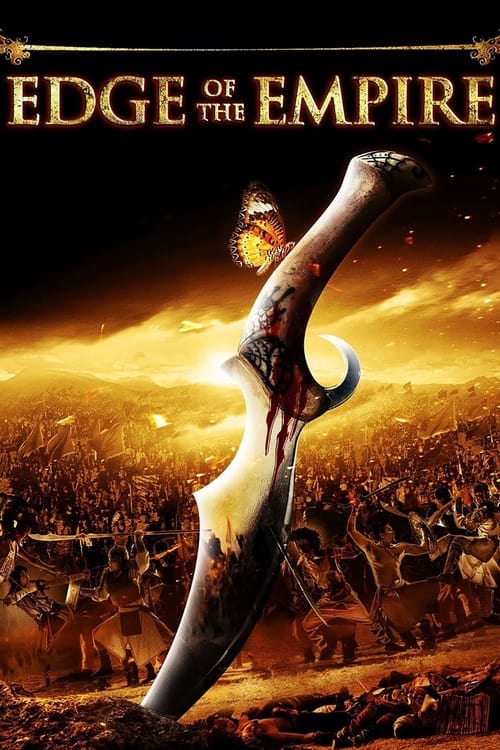
Edge of the Empire
2010
No user ratings available yet
Diversity score: 3.1 out of 10
2012
Not RatedDirector
Chagedeersurong, Zolbayar Dorj
Runtime
91 minutes
Average Rating
No ratings yetSynopsis
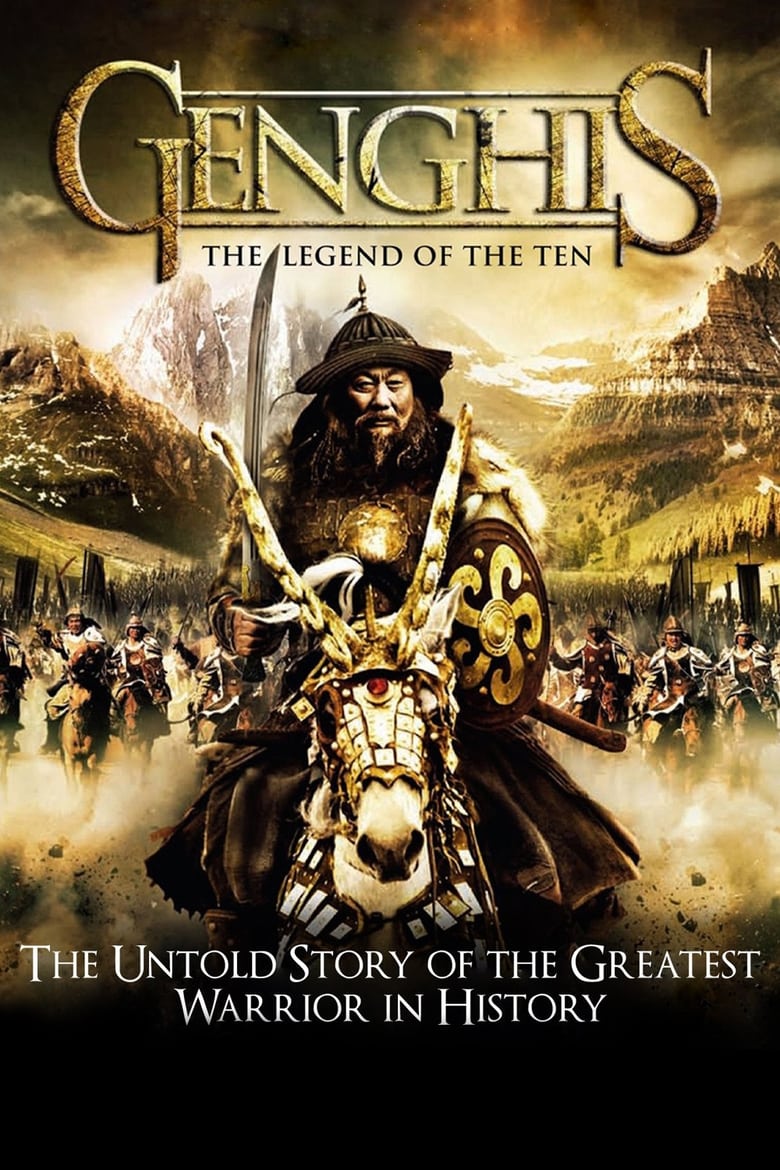
A little known fact is that Chinggis Khaan, better known as Genghis Khan, would collect orphans from his bloody battlefields and have his own mother raise them. These adopted brothers grew up to become his most loyal officials and advisers. Khaan organised his Mongol soldiers into groups according to the decimal system. Soldiers were arranged in units of 10 ("aravt"), 100 ("zuut"), 1,000 ("minghan") and 10,000 ("tumen"). Each unit had an appointed leader reporting to a larger unit. A 10-person "aravt" unit is ordered by Khaan to locate a skilled doctor who lives in a forest. En route, they discover an abandoned baby. He is in fact the child of an enemy warrior who gives pursuit, even though they have saved the child's life. Whilst protecting the child from attacks from enemy soldiers, the members of the "aravt" must also complete their mission. Through their actions, they demonstrate the benevolence and bravery of Mongol warriors as the final battle closes in.
Overall Score
Fair
Category Breakdown
LGBTQ+ Representation
The film lacks any visible LGBTQ+ characters or narratives addressing non-cisnormative identities. The story focuses strictly on martial and familial bonds within a historical military setting.
Gender Representation
Active plot drivers are male warriors within a military hierarchy. While the film avoids submissive tropes by centering Khaan’s mother as a social pillar, leadership roles remain traditionally masculine.
Racial & Ethnic Diversity
The film provides significant representation by centering a non-Western historical narrative. It disrupts Eurocentric epic tropes by prioritizing the agency and complex social organization of Mongol warriors.
Religious & Cultural Diversity
The narrative emphasizes communal responsibility and challenges simple tribalism through acts of benevolence. It leans toward classical heroic structures centered on warrior honor and bravery.
Disability Representation
There is no evidence regarding the depiction of physical or neurodivergent disabilities within the provided narrative.
Strengths
Areas for Improvement
AI Analysis
Genghis: The Legend of the Ten succeeds in shifting the historical epic lens away from Western-centric perspectives. By centering the Mongol decimal system and the specific cultural nuances of the 'aravt' unit, the film offers a vital non-Western protagonist narrative. However, the film operates within traditional social frameworks. The narrative is driven by male military figures, and the representation of gender is limited to foundational maternal influences rather than active female agency in the plot. Ultimately, the film is a study of communal honor and ethnic agency, though it lacks diversity in terms of LGBTQ+ identities and disability representation.
2010
2007
2010
2005
2011
2022
1953
2011
2002
2012
2017
2008
No reviews yet. Be the first to share your thoughts on this movie!
Use the rating form above to leave a star rating and optional review.