
The Tiger
2015
No user ratings available yet
Representation score: 2.6 out of 10
Representation Score
Fair
2012
RDirector
Andrew Lau Wai-Keung
Runtime
113 minutes
Average Rating
No ratings yetNew Showbiz Analysis
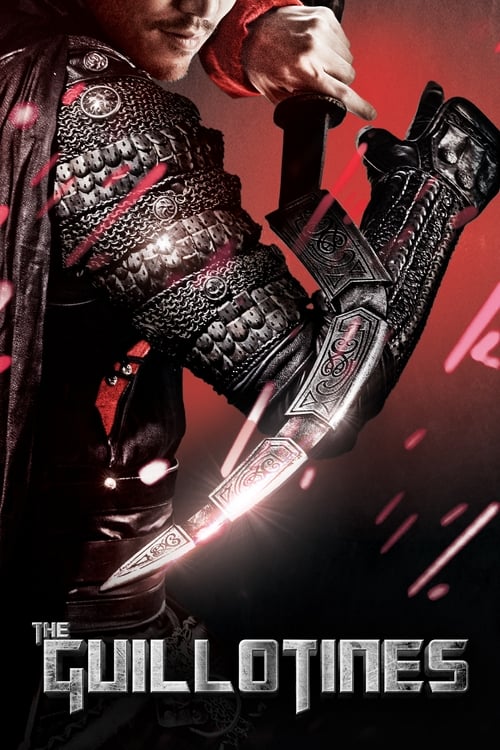
The Guillotines is a genre-driven historical action piece that prioritizes stylistic spectacle and traditional martial arts clichés. It operates within a framework of imperial loyalty and state-sanctioned violence, adhering to the social structures of the Qing Dynasty. While the film provides a non-Western perspective by centering Chinese ethnic identity and historical settings, it remains within a relatively homogeneous ethnic framework. The narrative does not utilize contemporary progressive frameworks to disrupt established social or gender hierarchies. Ultimately, the film functions as a traditional period drama. It focuses on the friction between individual ability to act and state authority rather than exploring diverse identities or modern social deconstructions.
Category Breakdown
The film focuses on the rigid hierarchies of the Qing Dynasty and the martial duties of a secret imperial unit. There is no evidence of non-straight gender identities or narratives designed to critique the assumption that everyone is straight.
The narrative centers on a secret army, a role historically and cinematically coded as masculine. The structural focus suggests a reinforcement of traditional masculine leadership and martial prowess within the imperial court.
Set within the Qing Dynasty, the film inherently centers a Chinese ethnic identity. This reflects the historical and cultural specificity of the setting rather than a deliberate attempt at blending multiple aspects of diversity.
The story explores the tension between the individual and the state through the lens of the Emperor’s secret police. It focuses on traditional concepts of honor and service to the crown.
There is no documented evidence of characters with visible or invisible disabilities being portrayed with real power. Physical impairment is not explored through a nuanced lens of neurodivergence or chronic illness.
Present on Screen
Limited or Absent
Official Synopsis
In the time of the Qing Dynasty, the Emperor Yongzheng created a secret army known as the Guillotines. It was the job of the Guillotines to protect the Emperor by killing anyone who posed a threat to him or his rule. After 348 successful missions to eliminate their target, the 349th assignment proves to be their last.
2015
2009
2002

2014
2015
2012
2010
2007
No reviews yet. Be the first to share your thoughts on this movie!
Use the rating form above to leave a star rating and optional review.