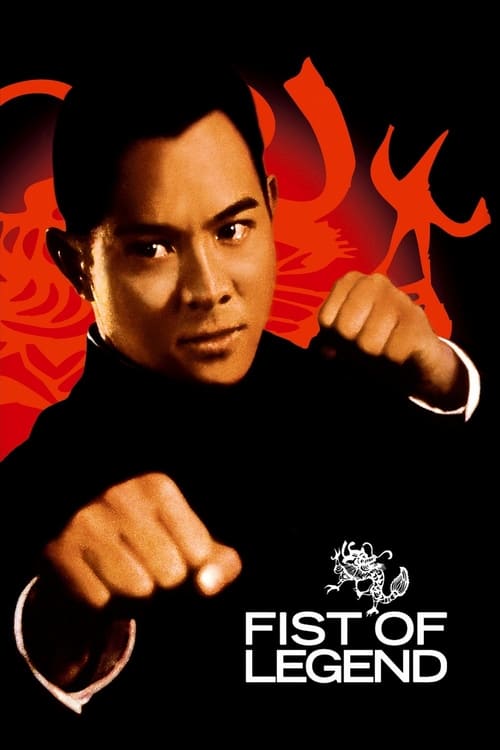
Fist of Legend
1994
No user ratings available yet
Representation score: 3.3 out of 10
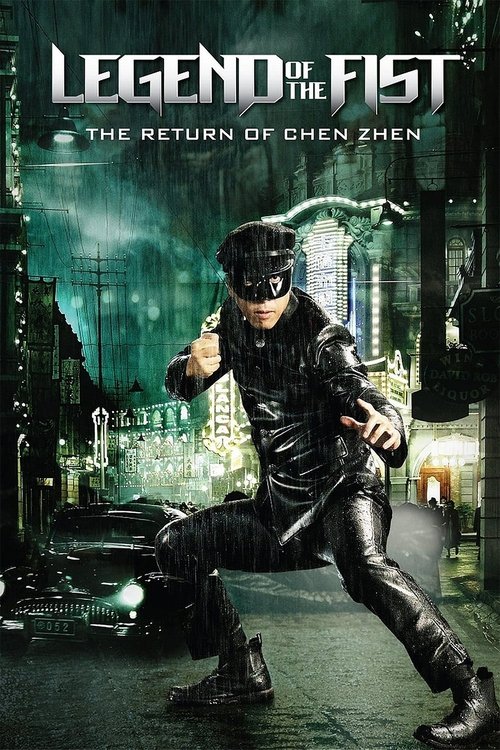
Representation Score
Limited
2010
RDirector
Andrew Lau Wai-keung
Runtime
105 minutes
Average Rating
No ratings yetNew Showbiz Analysis
Legend of the Fist: The Return of Chen Zhen is a film defined by its political and ethnic weight. It succeeds as a post-colonial epic, using martial arts as a cultural signifier of resistance against Japanese imperial occupation. This focus on ethnic ability to act and the struggle for sovereignty provides a strong sense of identity-based empowerment. However, the film remains tethered to traditional genre clichés regarding gender and social roles. The hierarchy of power is heavily masculine, with female characters relegated to the periphery of the action. The narrative lacks any exploration of LGBTQ+ identities or disability-focused storytelling. Ultimately, the film's impact lies in its disruption of colonial power dynamics. While it adheres to conventional gender hierarchies, its commitment to portraying the struggle of the oppressed against an occupying force gives it significant cultural depth.
Category Breakdown
The film operates within a strictly straight-centered framework. It focuses on traditional romantic pairings and masculine brotherhood without any queer subtext or non-binary gender identities.
Narrative power is predominantly male-driven, centering on masculine heroism and combat. Female characters occupy supporting roles that provide emotional stakes rather than driving the plot through independent actions.
The film serves as a potent post-colonial narrative by centering a Chinese cast against Japanese imperial occupation. It prioritizes the ability to act of the colonized subject through cultural resistance.
The story deconstructs the legitimacy of the Japanese military administration, framing it as an oppressive force. It prioritizes collective national identity and resistance against imperialist power dynamics.
There are no prominent depictions of visible or invisible disabilities that drive the narrative or serve as central character arcs.
Present on Screen
Limited or Absent
Official Synopsis
The Japanese forces occupy Shanghai and slowly start spreading terror in the city. Chen Zhen, who was presumed dead, returns to fight against the Japanese and put an end to their tyrannical rule.
1994
2009
2015
2013
2008
2020
2019
2011
No reviews yet. Be the first to share your thoughts on this movie!
Use the rating form above to leave a star rating and optional review.