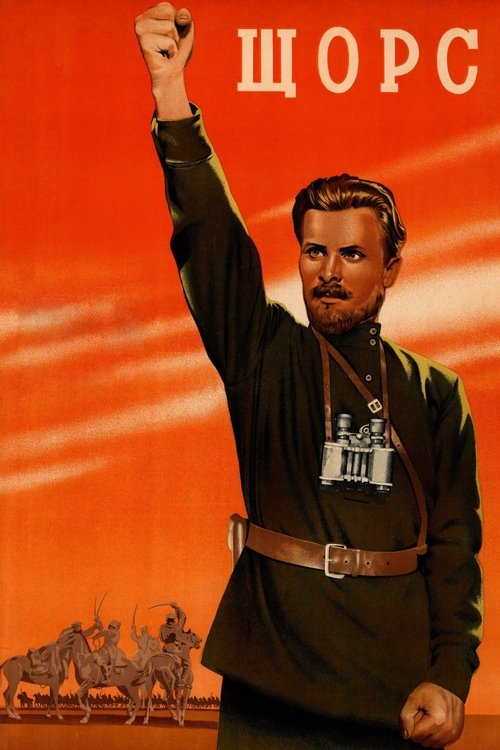
Shchors
1939
No user ratings available yet
Representation score: 4.2 out of 10
Representation Score
Minimal
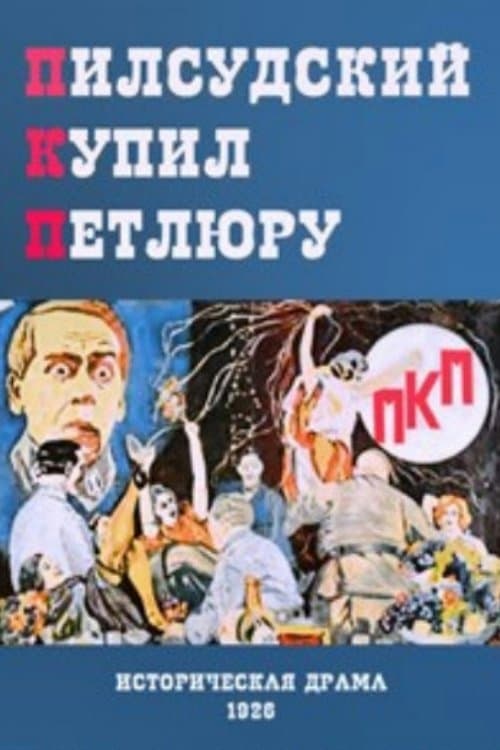
1926
Director
Heorhiy Stabovyi
Runtime
67 minutes
Average Rating
No ratings yetNew Showbiz Analysis
P.K.P. serves primarily as a tool for ideological consolidation within the 1926 Soviet cinematic landscape. The film's structure is designed to reinforce state power by framing nationalist movements as inherently corrupt and doomed. The narrative relies on traditional hierarchies, focusing almost exclusively on male military figures and geopolitical maneuvering. This approach leaves little room for diverse social perspectives. Ultimately, the film prioritizes the legitimacy of the Soviet institutional framework over individual or regional autonomy, reflecting the state-sanctioned morality of its era.
Category Breakdown
The film does not include any LGBTQ+ characters or narratives that challenge the assumption that everyone is straight or cisgender. The storyline focuses solely on military insurrection and strict social structures typical of early Soviet dramas.
Men play the central roles as combatants and leaders, such as Petliura and Pilsudski. Women are largely confined to passive roles within a male-dominated military hierarchy.
The story centers on the geopolitical conflict between Ukrainian nationalists and the Soviet regime. It emphasizes political identity over a diverse ethnic tapestry.
The narrative aims to delegitimize nationalist institutions by portraying them as corrupt. It prioritizes the stability of the Soviet collective over regional autonomy or cultural pluralism.
There is no information about the depiction of physical or neurodivergent characters. Disability is not a central narrative element in this historical context.
Present on Screen
Limited or Absent
Official Synopsis
The defeated remnants of vile Ukrainian nationalists, headed by the leader of the Ukrainian liberation movement, Symon Petliura, cannot accept their historical fate and are plotting an insurrection against the Soviet regime in Ukraine. There is nothing Petliura and his cohorts would not do to win back control over Ukraine, including selling it to the highest bidder, in this case, the Polish dictator Jozef Pilsudski. A group of plotters are coordinating an insurrection in Kyiv with an attack from Poland headed by Petliura’s general Yurko Tiutiunnyk. Predictably, the invincible Red Army defeats the nationalist plotters and proves that the Soviet borders are impregnable.
1939
1928

1941
2014
1951
1939
1956
1928
No reviews yet. Be the first to share your thoughts on this movie!
Use the rating form above to leave a star rating and optional review.