
Laura
1944
No user ratings available yet
Representation score: 0.4 out of 10
Representation Score
Limited
1945
ApprovedDirector
Otto Preminger
Runtime
98 minutes
Average Rating
No ratings yetNew Showbiz Analysis
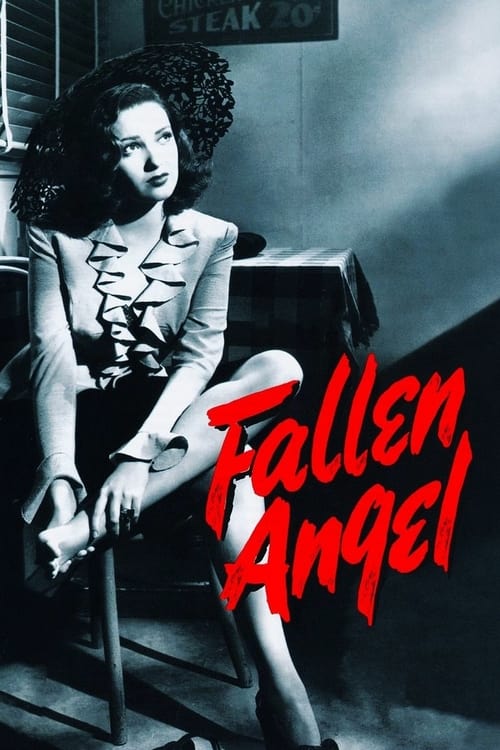
Fallen Angel is a noir exploration of moral fragmentation and psychological complexity. It successfully challenges traditional domestic hierarchies by focusing on the ability to act of its female characters, even when their actions are destructive. However, the film is constrained by the social norms of its time, lacking any representation of LGBTQ+ identities or racial diversity. Additionally, there is no inclusion of characters with disabilities. Ultimately, the film's strength lies in its rejection of cohesive moral frameworks, favoring a subjective, cynical reality that challenges the stability of post-war social and religious institutions.
Category Breakdown
The film does not include any LGBTQ+ characters or explore non-straight identities. The romantic storyline focuses solely on a traditional heterosexual relationship.
Female characters such as Stella and June play pivotal roles in driving the plot through manipulation and self-interest. Despite challenging submissive stereotypes, their influence remains tied to male desires.
The cast is predominantly uniform, reflecting the social norms of 1945. There is no effort to include diverse ethnic perspectives.
The narrative questions singular Christian morality by promoting situational ethics and moral relativism. It portrays the legal system and societal order with a deeply cynical outlook.
Disability, both visible and invisible, is not integrated into the character arcs or narrative elements.
Present on Screen
Limited or Absent
Official Synopsis
An unemployed drifter, Eric Stanton wanders into a small California town and begins hanging around the local diner. While Eric falls for the lovely waitress Stella, he also begins romancing a quiet and well-to-do woman named June Mills. Since Stella isn't interested in Eric unless he has money, the lovelorn guy comes up with a scheme to win her over, and it involves June. Before long, murder works its way into this passionate love triangle.
1944
1946
1945
1943
1949
1947
1941
1945
No reviews yet. Be the first to share your thoughts on this movie!
Use the rating form above to leave a star rating and optional review.