
Abhiyum Naanum
2008
No user ratings available yet
Diversity score: 4.0 out of 10

2006
Director
Yeo In-kwang
Runtime
95 minutes
Average Rating
No ratings yetSynopsis
In 1969, a 10-year old boy's life takes a major turn when he discovers the father he never met is alive. Selling candy bars left and right to save up for a trip to see his dad, the boy embarks on a journey that could change his life forever.
Overall Score
Fair
Category Breakdown
LGBTQ+ Representation
The film lacks explicit LGBTQ+ characters or narratives. It focuses on traditional familial structures and the search for paternal connection.
Gender Representation
The plot centers on a young boy's quest to find his father, prioritizing male-driven agency. While Shin Ae-ra holds a top-billed role, the narrative follows standard 1960s gender roles.
Racial & Ethnic Diversity
Set in 1969 South Korea, the film depicts a culturally homogeneous environment. It captures Korean domestic life without engaging in diverse ethnic blending.
Religious & Cultural Diversity
The story explores the socioeconomic realities and family dynamics of 1969 South Korea. It offers a sentimental look at social structures through a child's perspective.
Disability Representation
There is no evidence of characters navigating physical, sensory, or neurodivergent disabilities.
Strengths
Areas for Improvement
AI Analysis
Ice Bar is a period-specific human drama that prioritizes traditional familial bonds over identity-focused storytelling. The narrative follows a young boy's journey to find his father, which centers the plot on male-driven agency and conventional relational dynamics. While the film provides a meaningful look at South Korean social history and the struggles of a marginalized child, it does not actively work to disrupt social hierarchies. The setting is culturally localized, focusing on a homogeneous environment typical of the era. Ultimately, the film functions as a sentimentalist exploration of family and longing rather than a vehicle for intersectional representation or the subversion of traditional social norms.
2008

2006

2019
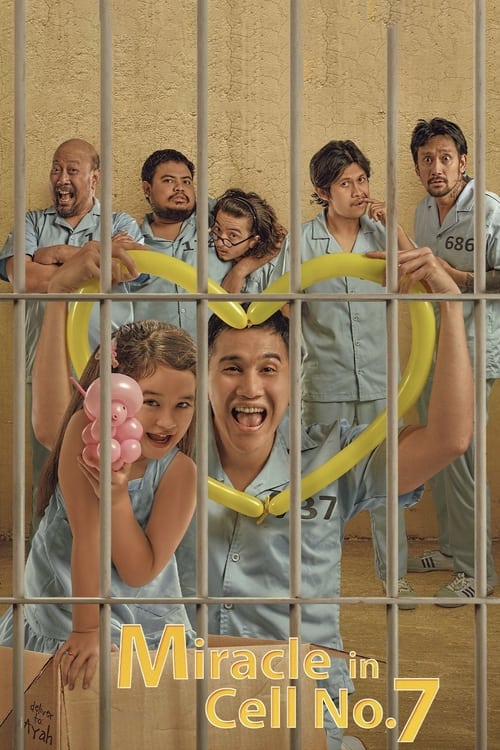
2022
No reviews yet. Be the first to share your thoughts on this movie!
Use the rating form above to leave a star rating and optional review.