
Cheer Up, Mr. Lee
2019
No user ratings available yet
Representation score: 5.8 out of 10
Representation Score
Fair
2006
Director
Kwon Soo-kyung
Runtime
100 minutes
Average Rating
No ratings yetNew Showbiz Analysis
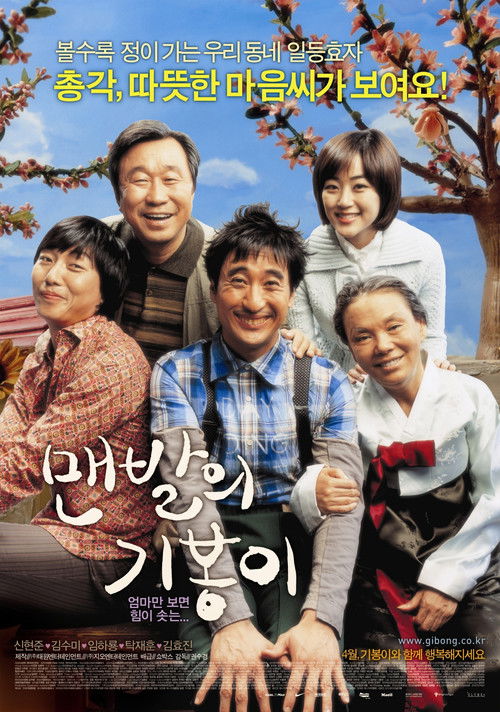
Barefoot Ki-Bong is a character study of a social outlier that prioritizes emotional sincerity over disrupting social hierarchies. The film succeeds in providing a nuanced portrayal of neurodivergence, giving the protagonist dignity and a leading role through his athletic pursuits. However, the film remains rooted in conventional storytelling. It relies heavily on traditional gender roles and a culturally homogeneous setting, which limits its broader social impact. Ultimately, the work functions as a sentimental exploration of communal bonds rather than a progressive deconstruction of social norms.
Category Breakdown
The film does not include any LGBTQ+ characters or stories. It focuses on traditional family structures and village life.
The story centers around a maternal figure who serves as an emotional anchor. However, it follows traditional roles where men drive the physical plot through labor.
As a localized South Korean production, the film features a culturally homogeneous cast. It focuses on a specific social fabric rather than multi-ethnic representation.
The narrative emphasizes Confucian-like values such as filial piety. It promotes a sentimental view of family cohesion and communal harmony.
The protagonist has cognitive impairment due to childhood brain damage. Despite this, he plays a significant role in driving the plot by using his running skills to support his mother.
Present on Screen
Limited or Absent
Official Synopsis
Ki-bong is a man who suffered brain damage as a child and who has the emotional maturity of an 8-year. The village people call him 'Barefoot Ki-Bong' because he runs barefoot with food he has begged and serves his mother before it gets cold. Running is Ki-Bong' greatest skill. It is his mother that Ki-bong loves the most. Ki-bong decides to take part in the National Amateur Half Marathon' in order to buy artificial teeth for his mother with the prize money, and works hard looking forward to the day of the race. Mr. BAEK, the head of the village, volunteers to be Ki-bong's trainer. The village people realize what family and love between family members mean to them when they see Ki-bong, who is considered a non-entity, working hard for the competition. The village gets changed by the efforts of Ki-bong and Mr. BAEK.
2019
2002
2022

2016
2006

2005
2005

2024
No reviews yet. Be the first to share your thoughts on this movie!
Use the rating form above to leave a star rating and optional review.