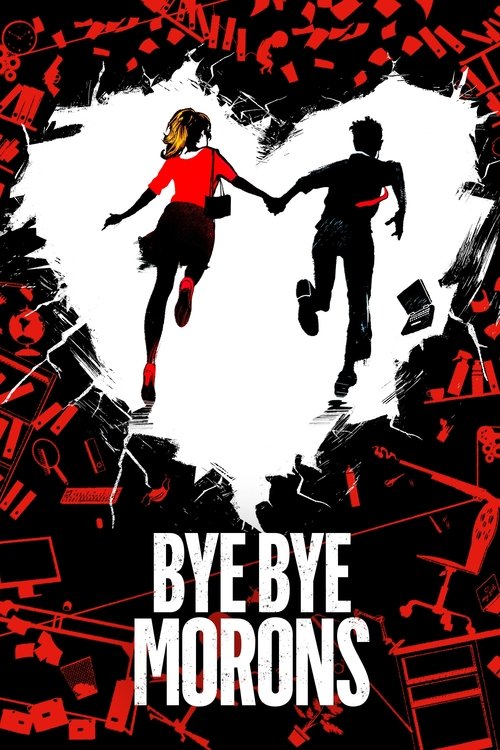
Bye Bye Morons
2020
No user ratings available yet
Representation score: 8.2 out of 10

Representation Score
Fair
2014
Director
Jang Jin
Runtime
101 minutes
Average Rating
No ratings yetNew Showbiz Analysis
We Are Brothers is a character-driven exploration of fractured familial bonds and socioeconomic disparity. It relies on traditional interpersonal dynamics rather than attempting to subvert systemic or identity-based norms. The film excels in emotional resonance and domestic realism. It uses the brothers' reunion and their mother's illness to explore class friction and the weight of familial responsibility. However, the narrative remains conventional. It lacks queer representation and relies on a patriarchal structure where women's ability to drive the story is diminished by medical necessity, keeping the focus on male development.
Category Breakdown
The film does not include any identifiable LGBTQ+ characters or narratives. It stays within a framework that assumes everyone is straight or cisgender, focusing on biological brotherhood and maternal connections.
The story centers around male-to-male dynamics and rivalry. Although the mother is a key figure, her role is limited by her medical condition, reinforcing traditional patriarchal structures.
The cast is ethnically uniform, reflecting the authentic social reality of a South Korean production. It avoids whitewashing but does not actively seek to disrupt casting norms.
The film explores class tensions through socioeconomic disparities between the brothers. However, it prioritizes traditional kinship and familial duty over systemic critiques.
Alzheimer’s disease serves as a primary plot driver for the brothers' journey. While treated with dramatic gravity, the condition primarily functions as a device to catalyze male character development.
Present on Screen
Limited or Absent
Official Synopsis
Two brothers were separated in childhood at an orphanage, only to find each other as adults 30 years later. But right after their reunion, their birth mother, who suffers from Alzheimer's disease, suddenly disappears. So Sang-yeon and Ha-yeon team up together and go on a road trip to search for her.
2020

2014
2019
2017

2014

2013

2013
1999
No reviews yet. Be the first to share your thoughts on this movie!
Use the rating form above to leave a star rating and optional review.