
Hearts in Dixie
1929
No user ratings available yet
Representation score: 2.0 out of 10
Representation Score
Fair
1938
Director
J. Elder Wills
Runtime
74 minutes
Average Rating
No ratings yetNew Showbiz Analysis
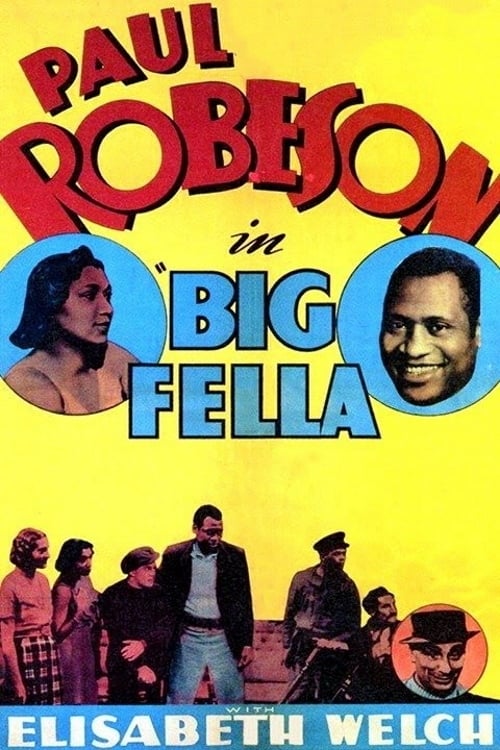
Big Fella (1938) serves as a critique of traditional domestic authority and class-based social friction. By presenting the wealthy Oliphant family as a restrictive force, the film delves into the tension between aristocratic repression and individual liberation. The narrative finds strength in its subversion of the nuclear family, using a Mediterranean laborer and a local singer to challenge the sanctity of the English household. However, the film remains limited by its era, offering only subtle hints at non-conformity rather than explicit identity representation. Ultimately, the film examines the balance between autonomy and institutional control, though it lacks significant depth in racial or disability representation.
Category Breakdown
The film touches on themes of escaping traditional family structures and domestic repression, hinting at non-conformity but lacking explicit confirmation of queer identities or same-sex intimacy.
The narrative disrupts traditional hierarchies by positioning a local singer as a figure of significant influence. This character offers a refuge where the protagonist can deviate from dominant parental control.
The story focuses on a class-based contrast between a Marseilles docker and the English elite, moving away from purely homogeneous Western narratives by highlighting Mediterranean labor.
The film critiques Western institutional stability by portraying the wealthy English household as a source of repression. It emphasizes individual autonomy over the cohesion of traditional family units.
There are no visible or invisible disabilities documented within the primary character arcs of this film.
Present on Screen
Limited or Absent
Official Synopsis
Singing Marseilles docker Joe is hired by wealthy English couple, the Oliphants, to find their missing son Gerald. When Joe finds him, he learns Gerald escaped of his own will and takes him to stay with a local singer, who offers a refuge from his repressed white parents.
1929

1937
1938
1936

1951
1936
1929

1939
No reviews yet. Be the first to share your thoughts on this movie!
Use the rating form above to leave a star rating and optional review.