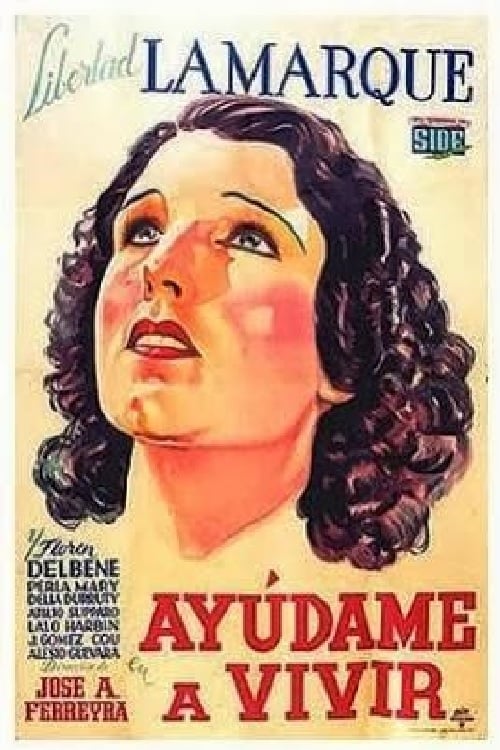
Help Me to Live
1936
No user ratings available yet
Representation score: 3.4 out of 10
Representation Score
Limited
1938
Director
José A. Ferreyra
Runtime
67 minutes
Average Rating
No ratings yetNew Showbiz Analysis
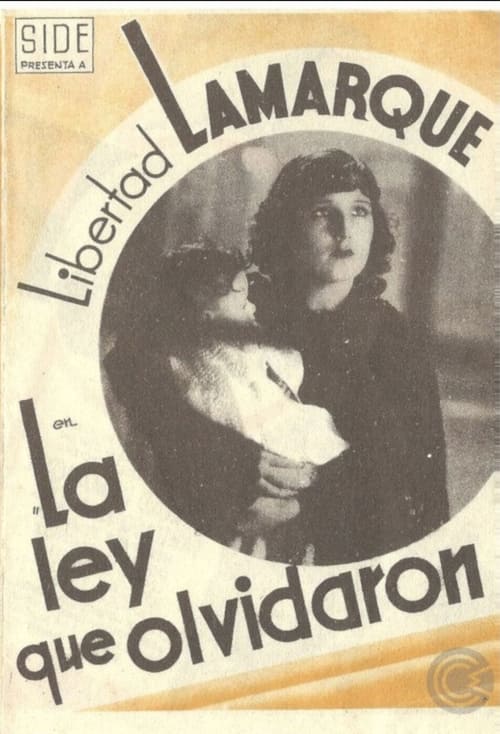
La ley que olvidaron explores the tension between individual morality and state law through a lens of social realism. By focusing on a single mother and a service worker, the film highlights the struggles of underrepresented individuals. While it lacks modern markers of the way different parts of someone's identity overlap or explicit LGBTQ+ representation, it presents unconventional familial structures. The plot prioritizes emotional bonds over institutional legality, offering a nuanced look at situational ethics. Ultimately, the film serves as a foundational piece of Argentine cinema that engages with regional identity and the tension between law and affection.
Category Breakdown
The film does not include any queer narratives or non-cisgender identities. It focuses solely on maternal and familial relationships.
The story centers on a woman's emotional decisions rather than traditional patriarchal leadership. It emphasizes the complexities of single motherhood and women's ability to drive the story.
Specific casting details are unavailable, but the film likely reflects the local demographic realities of Argentina's studio system.
The film examines moral relativism by contrasting emotional necessity with legal requirements. It questions the rigidity of formal institutions in favor of personal connections.
There is no information about the depiction of physical disabilities or neurodivergent conditions in this work.
Present on Screen
Limited or Absent
Official Synopsis
The employee of a boarding house raises the daughter of a single mother and loves her so much that she kidnaps the girl and goes to jail.
1936
1980
1937
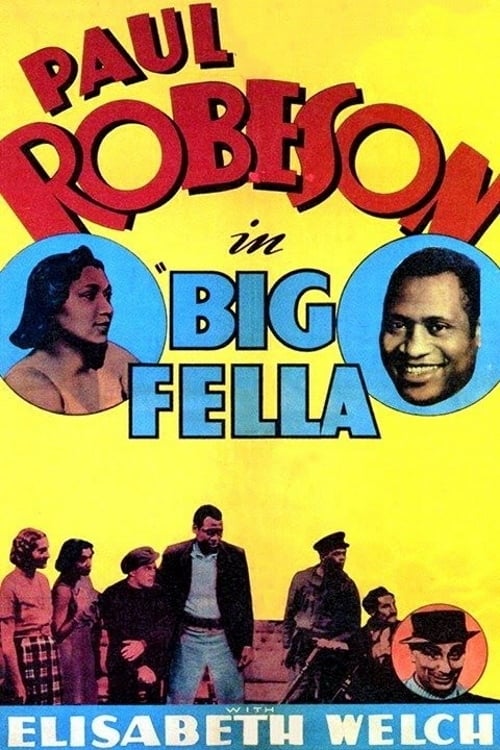
1938
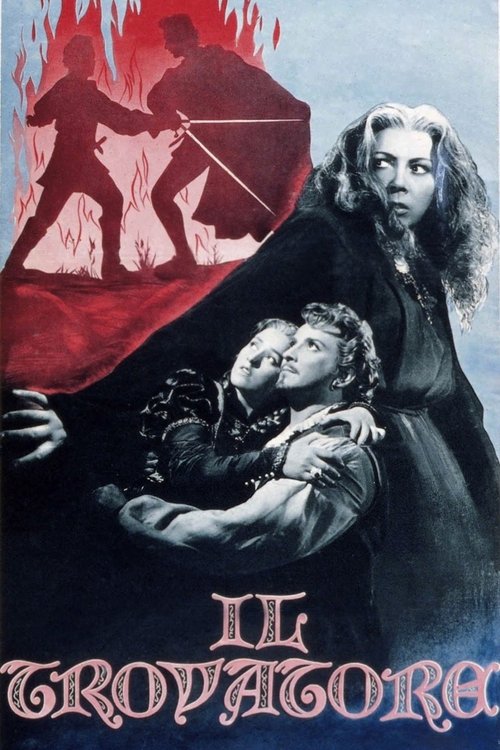
1949
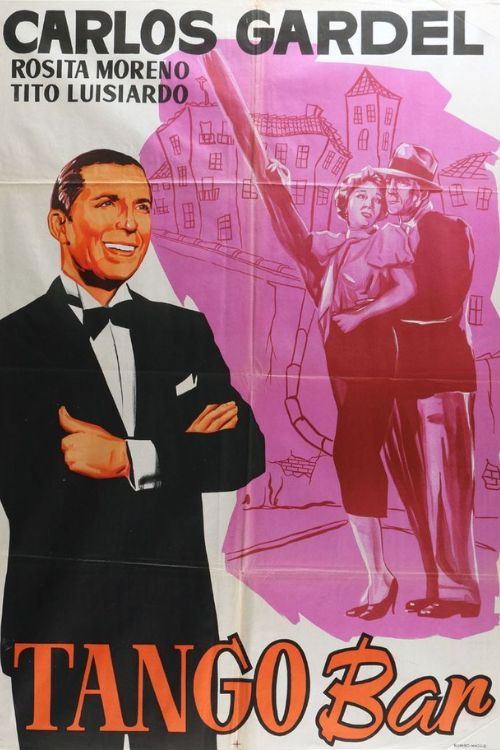
1935

1947
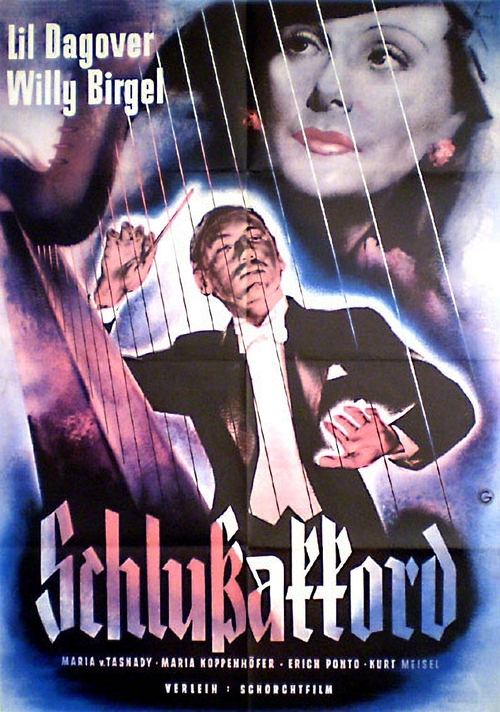
1936
No reviews yet. Be the first to share your thoughts on this movie!
Use the rating form above to leave a star rating and optional review.