
Una estrella y dos estrellados
1960
No user ratings available yet
Representation score: 2.7 out of 10

Representation Score
Limited
1949
Director
Gilberto Martínez Solares
Runtime
110 minutes
Average Rating
No ratings yetNew Showbiz Analysis
Soy Charro de Levita is a significant cultural artifact of the Golden Age of Mexican Cinema. It provides a vital non-Anglo-centric perspective, emphasizing Mexican cultural expression through local archetypes and linguistic nuances. However, the film remains constrained by the social and gender norms of 1949. Its comedic structure relies on traditional hierarchies, with a male-centric focus and limited subversion of gender roles. Ultimately, while it lacks modern multi-layered depth, its emphasis on domestic identity makes it a foundational piece of Mexican comedic history.
Category Breakdown
The film does not include explicit LGBTQ+ characters or identities. Although Tin-Tan's performances may involve humorous gender-bending, these elements do not represent formal LGBTQ+ identities.
The story focuses on a male-driven comedic trio. Women are mostly in supporting roles or as romantic interests, reflecting the gender norms of the time.
The film centers on Mexican identity and local archetypes. It offers a platform for domestic cultural expression that contrasts with Hollywood's Anglo-centric dominance.
The story operates within traditional mid-century Mexican social structures. It highlights local customs and community values without challenging Western norms.
There are no characters with visible or invisible disabilities mentioned in the film. Therefore, there is no representation in this category.
Present on Screen
Limited or Absent
Official Synopsis
Tin-Tan and his carnal Marcelo take over Carmelita baby for a few hours, and suddenly, the three are hired by an employer of the tents, starting the funniest adventures you can imagine.
1960

1953

1951
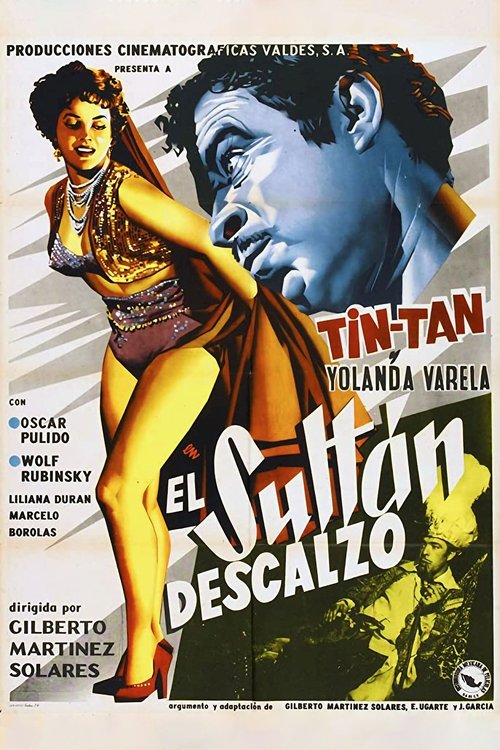
1956
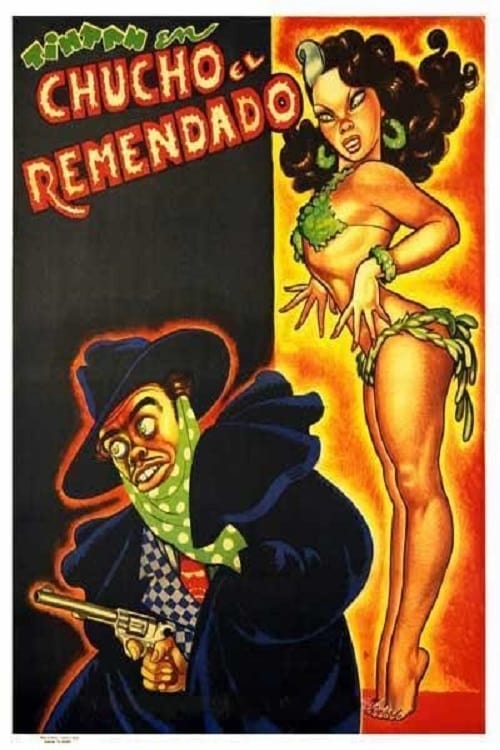
1952
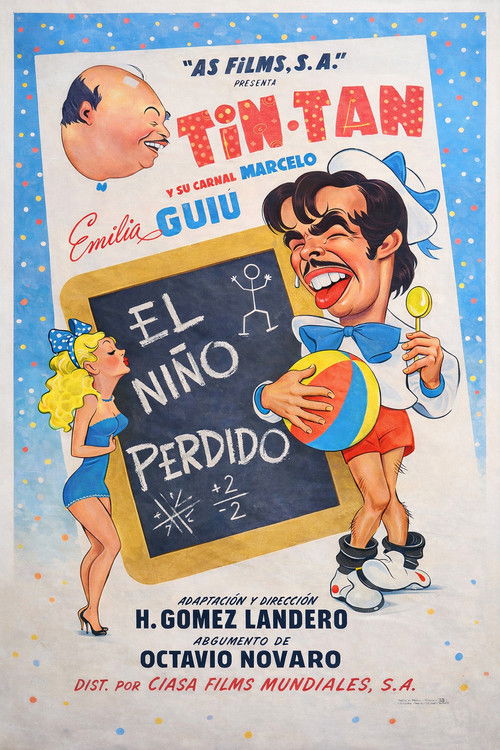
1947

1950
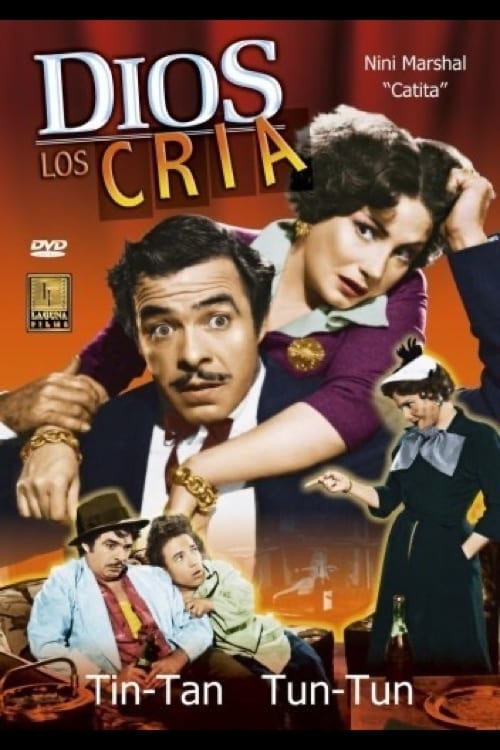
1953
No reviews yet. Be the first to share your thoughts on this movie!
Use the rating form above to leave a star rating and optional review.