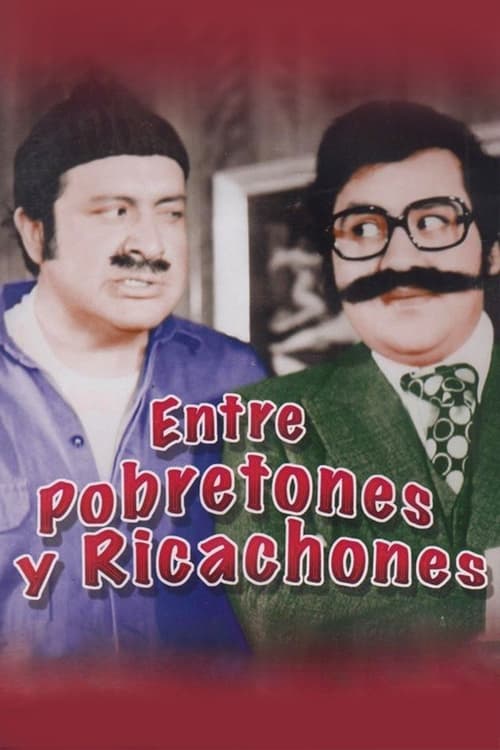
Entre Pobretones y Ricachones
1973
No user ratings available yet
Representation score: 2.8 out of 10
Representation Score
Minimal
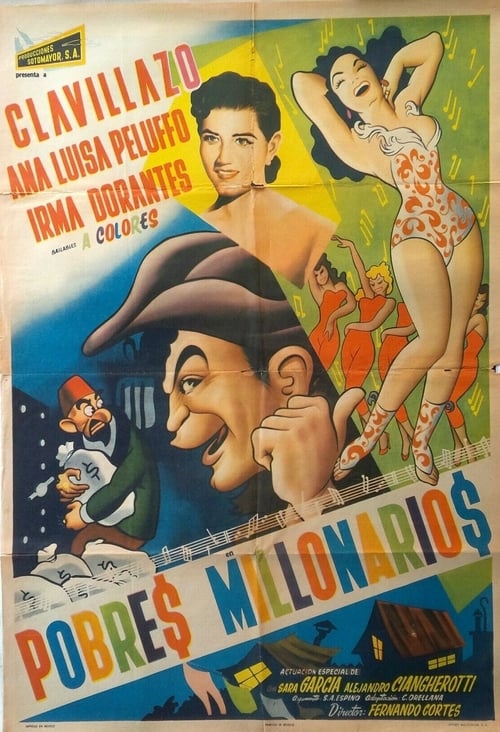
1957
Director
Fernando Cortés
Runtime
90 minutes
Average Rating
No ratings yetNew Showbiz Analysis
Pobres millonarios is a mid-century Mexican comedy that reflects the social landscape of its era. The narrative focuses on the friction between socioeconomic strata when a wealthy sponsor enters a squatter neighborhood. While the film addresses class dynamics, it lacks evidence of intentional subversion regarding identity. The storytelling appears to follow established social hierarchies rather than challenging them through a multi-layered approach. Ultimately, the film serves as a period piece that mirrors the traditional social structures of 1950s Latin American cinema.
Category Breakdown
The film does not include any non-straight or non-cisgender identities. The narrative seems to follow the conventional social structures typical of its time.
Gender roles in the film seem to align with traditional 1950s hierarchies. There is no indication of women taking a leading role or subverting domestic roles.
As a Mexican production, the cast centers on a specific ethnic identity. The focus on a squatter neighborhood highlights class-based struggles that intersect with ethnicity.
The plot centers on class tension between a benefactor and a underrepresented community. The comedy likely upholds traditional social orders rather than deconstructing them.
There is no information available regarding the portrayal of characters with visible or invisible disabilities.
Present on Screen
Limited or Absent
Official Synopsis
Squatter neighborhood finds a wealthy sponsor.
1973
1985
1965
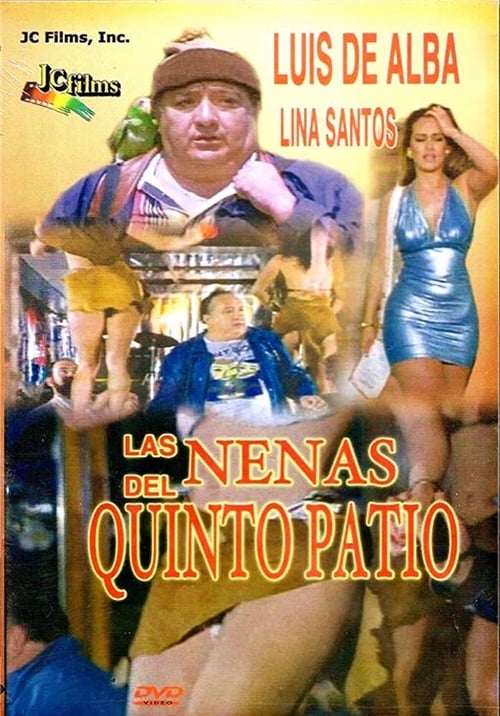
1995
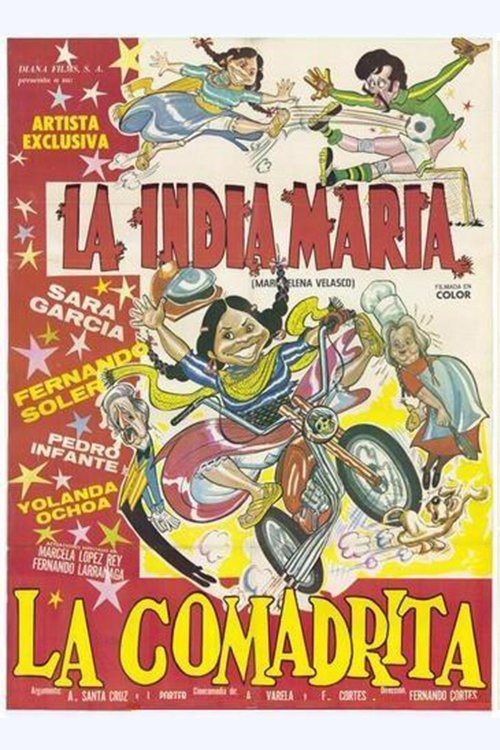
1978
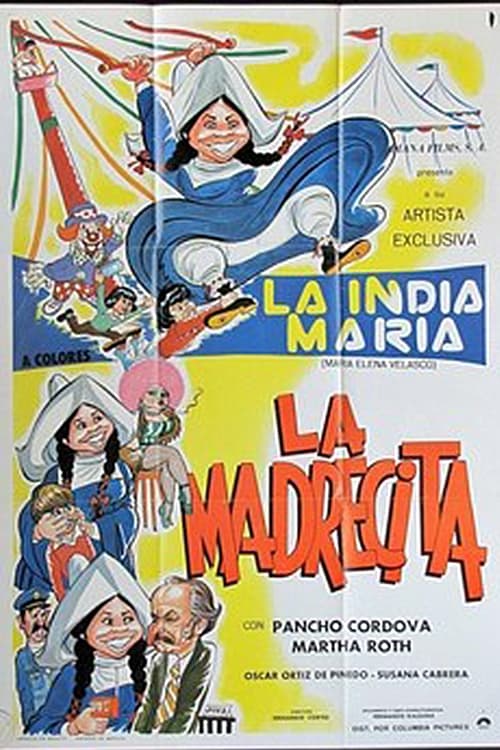
1974
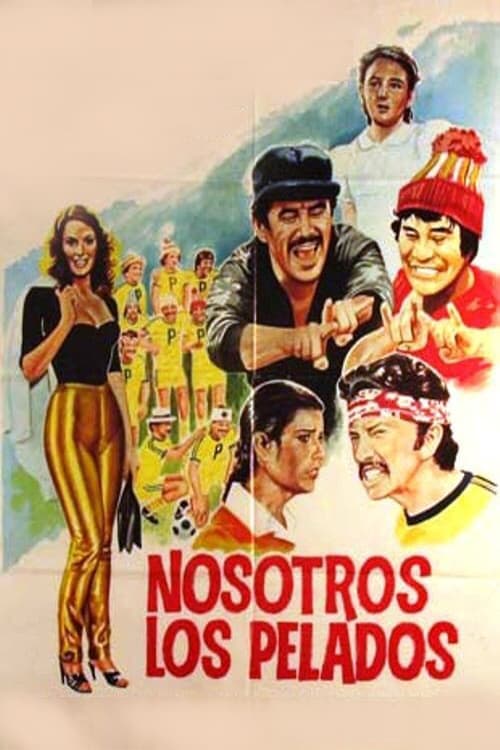
1984
1962
No reviews yet. Be the first to share your thoughts on this movie!
Use the rating form above to leave a star rating and optional review.