
In the Heat of the Night
1967
No user ratings available yet
Representation score: 4.7 out of 10
Representation Score
Limited
1984
PGDirector
Norman Jewison
Runtime
101 minutes
Average Rating
No ratings yetNew Showbiz Analysis
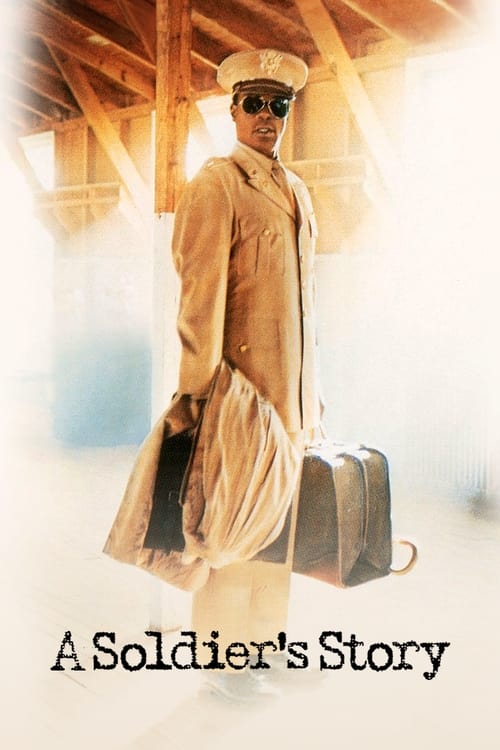
A Soldier's Story excels as a nuanced examination of how systemic racism creates internal divisions within underrepresented communities. By focusing on Black characters in a high-stakes investigation, the film goes beyond a straightforward procedural to explore the intersection of power and identity. While the film lacks diversity in gender and LGBTQ+ representation, these absences reflect the historical constraints of its 1940s military setting. The narrative prioritizes a deep sociological exploration of racial and class-based hierarchies over superficial representation. Ultimately, the film's strength lies in its refusal to provide simple moral choices. It uses the military justice system as a lens to examine how oppressive institutions shape individual decisions and societal structures.
Category Breakdown
The film adheres closely to the strict, straight-focused structures of the 1940s military. There is no clear indication of LGBTQ+ identities or queer themes.
This is a male-dominated drama where female characters play minor roles. Power dynamics are shaped almost entirely by masculine military discipline and male interpersonal conflicts.
The story centers around Black protagonists and delves into the internal complexities of the Black experience. It avoids simplistic portrayals by examining socioeconomic tensions and systemic oppression.
The film offers a powerful critique of the U.S. military and the legal systems of the Jim Crow era. It questions the fairness of state-sanctioned authority and institutional justice.
There is no significant focus on visible or invisible disabilities within the narrative.
Present on Screen
Limited or Absent
Official Synopsis
In a rural town in Louisiana, a black Master Sergeant is found shot to death just outside the local Army Base. Military lawyer, Captain Davenport—also a black man—is sent from Washington to conduct an investigation. Facing an uncooperative chain of command and fearful black troops, Davenport must battle with deceit and prejudice in order to find out exactly who really did kill the Master Sergeant.
1967
1947
1988
1950
1959
1991

1992

1986
No reviews yet. Be the first to share your thoughts on this movie!
Use the rating form above to leave a star rating and optional review.