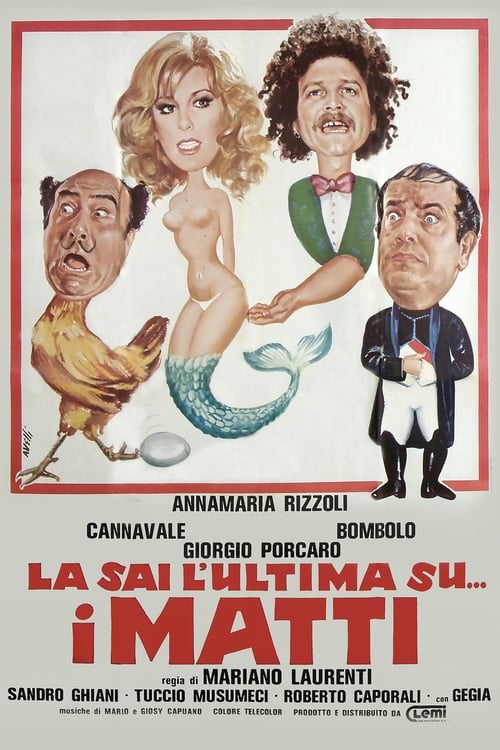
Do you know the latest on the crazy ones?
1982
No user ratings available yet
Representation score: 3.2 out of 10

Representation Score
Limited
1984
Director
Mariano Laurenti
Runtime
83 minutes
Average Rating
No ratings yetNew Showbiz Analysis
Due strani papà is a product of the 1980s Italian comedy tradition, prioritizing populist humor and established social archetypes. The film lacks progressive narrative structure or intentional subversion of social norms. Reflecting the demographics and social norms of its time, the film focuses on a homogeneous cast and traditional gender roles. It functions as a commercial piece of genre cinema rather than a tool for social critique. Without specific character arcs or thematic descriptions, the film remains a standard example of mid-80s Mediterranean comedy, adhering to the era's conventional social hierarchies.
Category Breakdown
The title suggests unconventional families, but there are no queer narratives in the film. In Italian comedies of this era, such themes often served as punchlines rather than meaningful stories.
The cast includes prominent actresses like Viola Valentino, but the genre typically follows traditional gender roles. The narrative likely adheres to the conventional hierarchies found in 1980s commercial cinema.
As a domestic Italian production from 1984, the film has a very homogeneous cast. There is no evidence of diverse casting or racial blending in the production.
The film operates within traditional Western social structures, reinforcing established Mediterranean social norms rather than challenging them through deconstructive narratives.
There is no information available regarding the portrayal of physical or neurodivergent characters in this film.
Present on Screen
Limited or Absent
1982

1980
1982
2004
1996
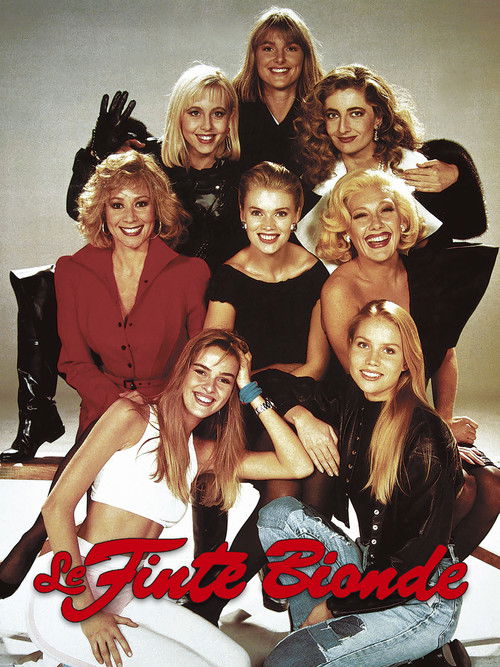
1989
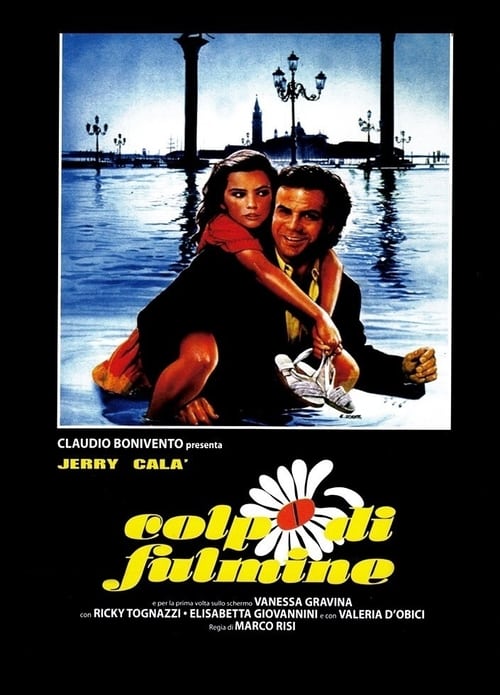
1985
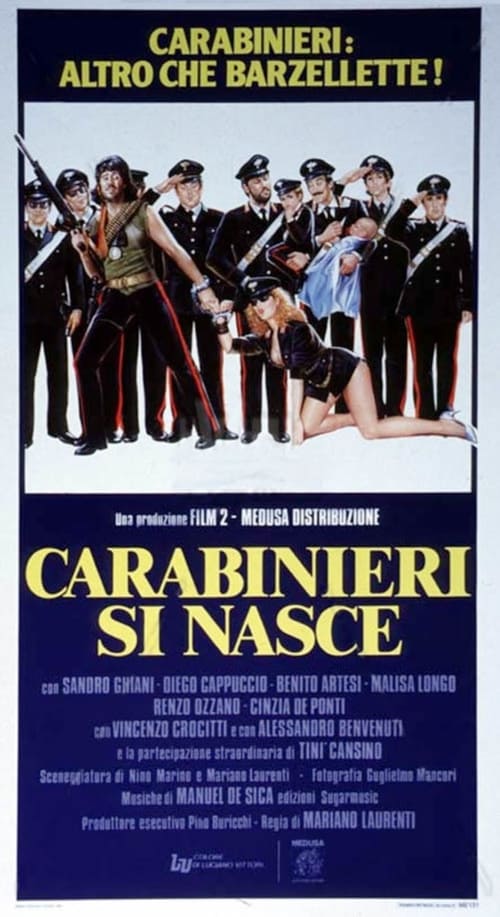
1985
No reviews yet. Be the first to share your thoughts on this movie!
Use the rating form above to leave a star rating and optional review.