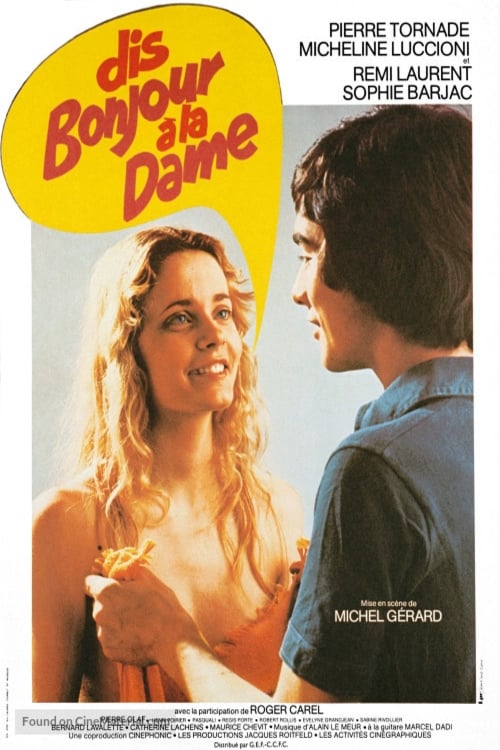
Dis bonjour à la dame !..
1977
No user ratings available yet
Representation score: 1.5 out of 10
Representation Score
Limited
1984
Director
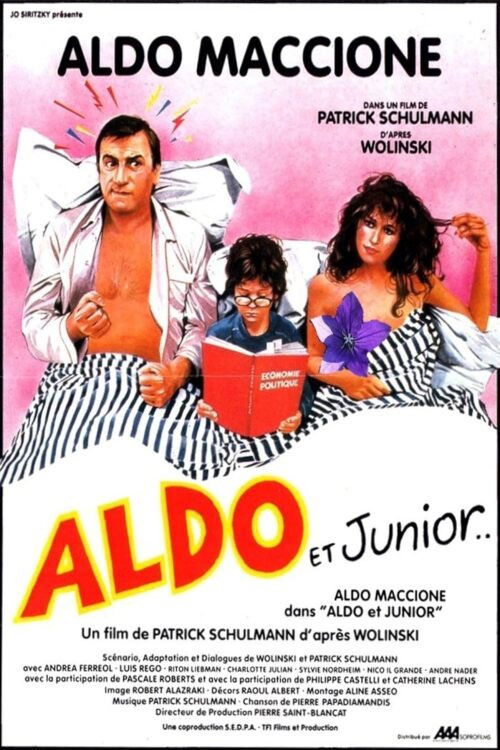
Patrick Schulmann
Runtime
105 minutes
Average Rating
No ratings yetNew Showbiz Analysis
Aldo et Junior functions as a typical mid-1980s European comedy, emphasizing situational humor over identity-focused dialogue. The narrative is centered on the friction between evolving social values and a traditional family unit. The film adheres to the cultural norms of its time, focusing on a patriarchal confrontation between a father and son. It lacks the intentional disruption of societal hierarchies or the representation of underrepresented identities found in more progressive works. Ultimately, the production reflects a localized, culturally homogeneous viewpoint that emphasizes generational conflict over diverse representation.
Category Breakdown
The film does not include any visible queer themes or non-cisgender identities. It focuses on a traditional family relationship between a father and son.
Women play supporting roles, but the central conflict revolves around a patriarchal generational dynamic. The narrative emphasizes male dominance within the family structure.
The cast is predominantly white and homogeneous, reflecting a localized European demographic. There is no evidence of racial diversity or non-white actors.
The story explores the clash between conservative values and younger generations. It highlights interpersonal friction due to changing social norms but does not delve into systemic critiques.
There is no indication of physical or neurodivergent disabilities being portrayed in the film’s narrative or cast.
Present on Screen
Limited or Absent
Official Synopsis
The confrontation of a sixty-eight-year-old father and his son with conservative ideas.
1977

2001
2004

1979
1982
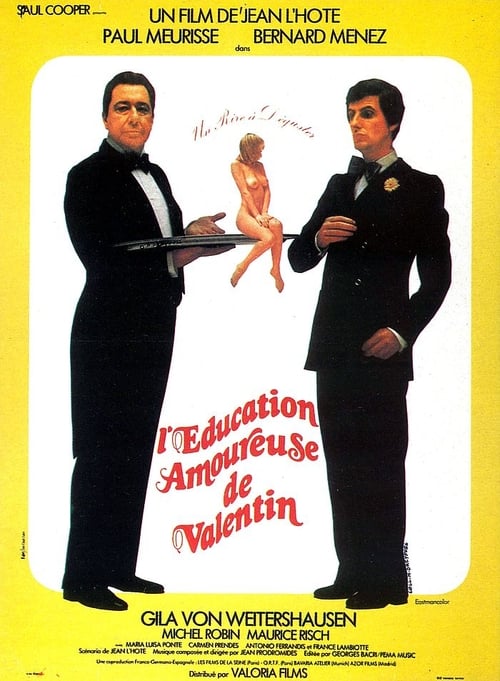
1976
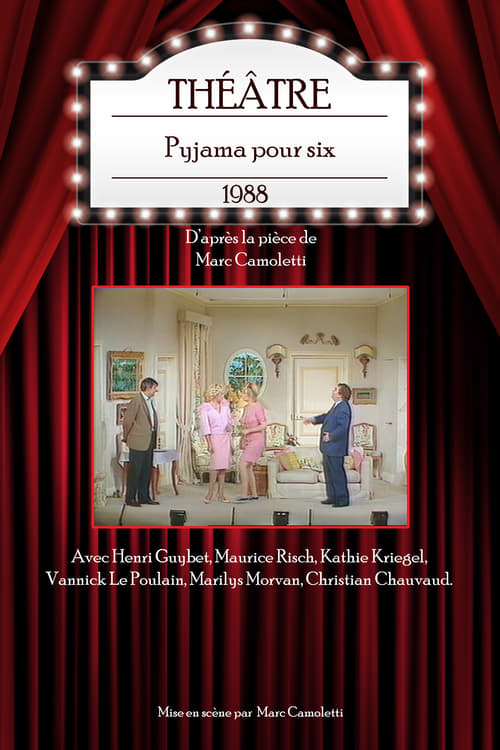
1988

2010
No reviews yet. Be the first to share your thoughts on this movie!
Use the rating form above to leave a star rating and optional review.