Mooch Goes to Hollywood
1971
No user ratings available yet
Representation score: 1.4 out of 10
Representation Score
Minimal
1976
PGDirector
Michael Winner
Runtime
92 minutes
Average Rating
No ratings yetNew Showbiz Analysis
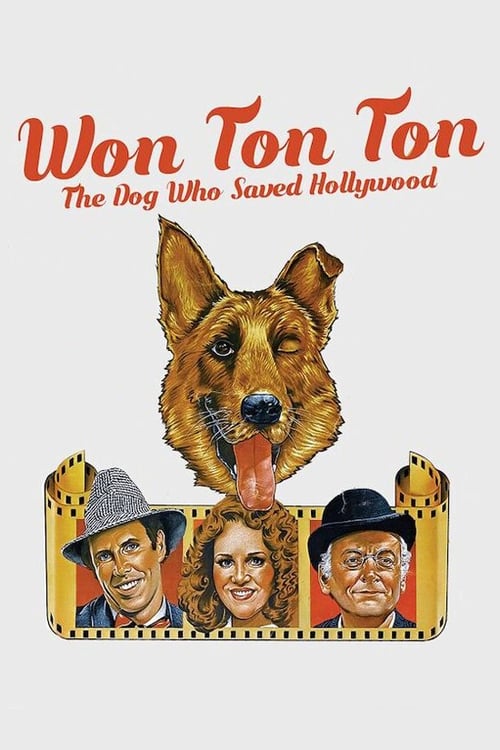
Won Ton Ton: The Dog Who Saved Hollywood is a conventional period comedy that prioritizes genre entertainment over social commentary. The narrative structure reinforces traditional industry structures rather than challenging them. The film operates within the standard cultural and social parameters of its 1976 production, lacking the depth needed to disrupt the historical hierarchies of the 1930s setting.
Category Breakdown
The film focuses on the world of animal stardom within the studio system. It does not include non-binary or transgender characters and does not critique the assumption that everyone is straight or cisgender.
A female protagonist tries to shake up the industry, but the story revolves around a dog. The narrative follows conventional 1970s comedy formulas.
The setting reflects the historical homogeneity of the 1930s Hollywood studio system. Characters of color have limited roles and do not drive the plot.
The comedy highlights the glamour of the studio system. It avoids anti-capitalist critiques or the deconstruction of Western institutions.
There is no evidence of neurodivergence or physical disabilities among the characters. They primarily serve as facilitators for the central animal protagonist.
Present on Screen
Limited or Absent
Official Synopsis
A would-be filmmaker and actress shake up the industry with a trick dog who gets discovered by a studio bus driver in the 1920s.
1971
1977

2020
1953
1952
1926

2014
1982
No reviews yet. Be the first to share your thoughts on this movie!
Use the rating form above to leave a star rating and optional review.