Hectic Honeymoon
1947
No user ratings available yet
Diversity score: 1.5 out of 10

1964
NRDirector
Henry Levin
Runtime
89 minutes
Average Rating
No ratings yetSynopsis
A man left at the alter goes on his honeymoon trip anyway, taking his best man along instead.
Overall Score
Minimal
Category Breakdown
LGBTQ+ Representation
The film operates within a strictly heteronormative framework. There are no non-cisnormative identities or queer narratives present in the story.
Gender Representation
The comedy relies on mid-century gender hierarchies and traditional romantic dynamics. It reinforces standard social expectations rather than subverting them.
Racial & Ethnic Diversity
Casting is predominantly homogeneous and reflects the era's social constraints. The film lacks significant minority representation or diverse ethnic perspectives.
Religious & Cultural Diversity
The narrative reinforces traditional Western social values and mid-century norms. It lacks any significant deconstruction of Western institutions or moral relativism.
Disability Representation
There is no evidence of physical or neurodivergent disabilities portrayed with agency. Characters are defined solely by their romantic and social roles.
Strengths
Areas for Improvement
AI Analysis
Honeymoon Hotel is a quintessential mid-century studio comedy that prioritizes escapism over social interrogation. The film functions as a traditional farce, leaning heavily into the romantic and social conventions of 1964. Its narrative structure reinforces the status quo rather than challenging it. The lack of diversity across racial, gender, and LGBTQ+ spectrums reflects the homogeneous social landscape typical of Hollywood productions during this period. Ultimately, the film serves as a time capsule of conventional Western values, offering a singular moral framework that avoids any meaningful representation of marginalized identities.
1947
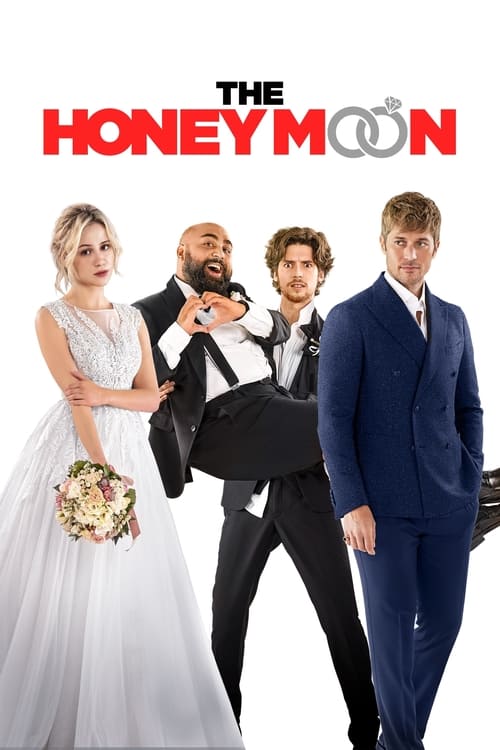
2022
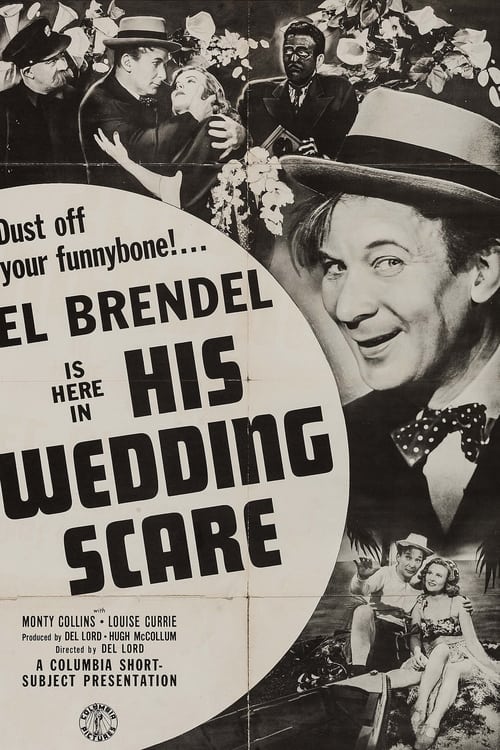
1943
1948
1942
1946
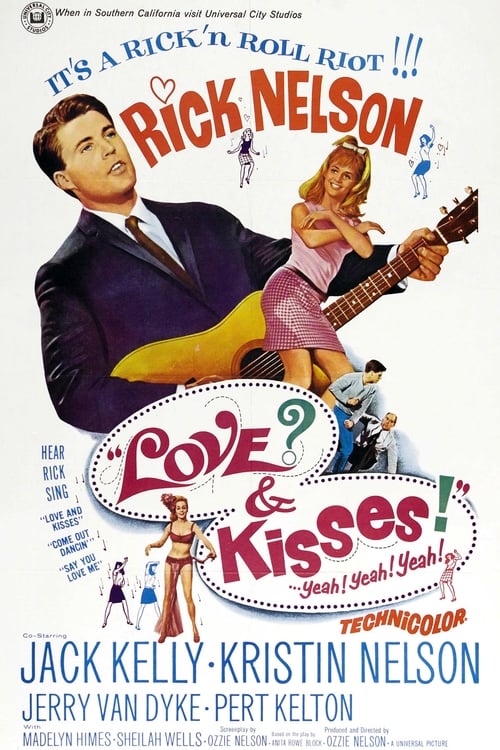
1965
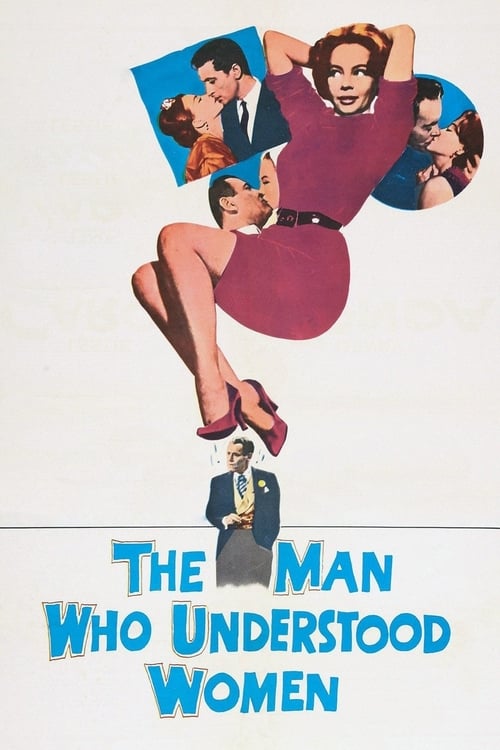
1959
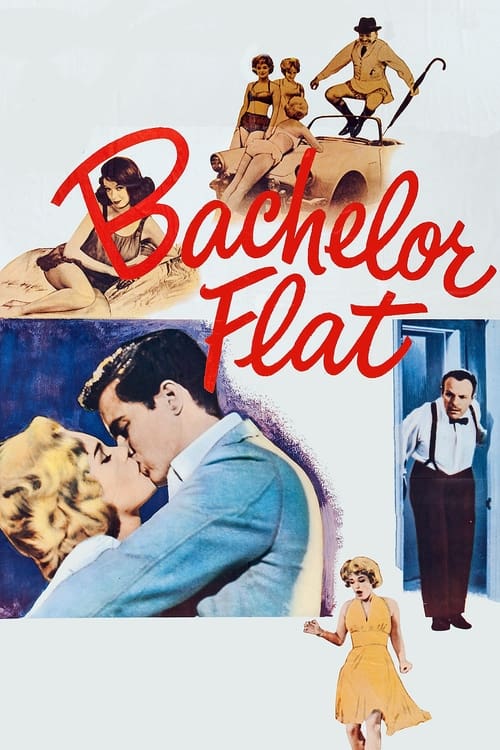
1961

1941
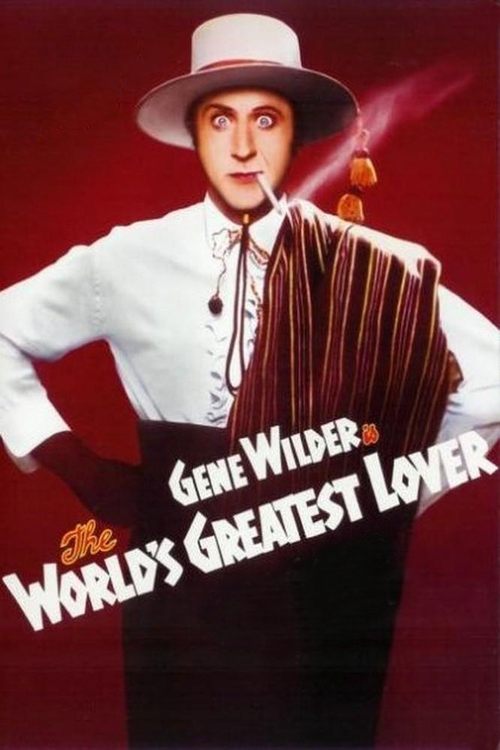
1977
1947
No reviews yet. Be the first to share your thoughts on this movie!
Use the rating form above to leave a star rating and optional review.