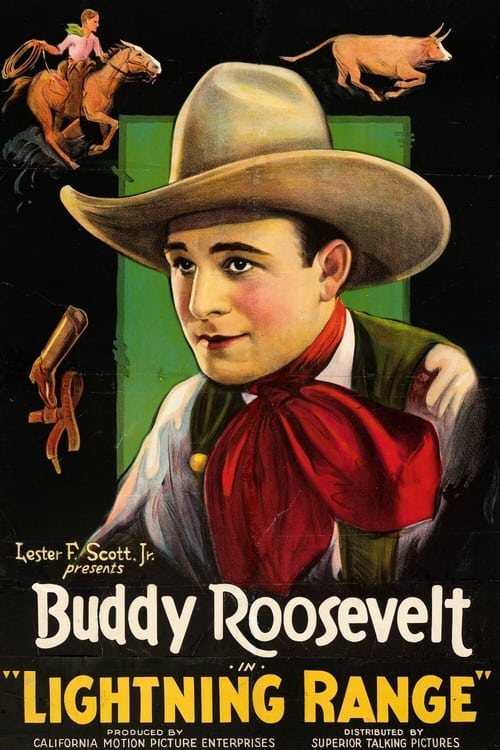
Lightning Range
1933
No user ratings available yet
Diversity score: 2.5 out of 10
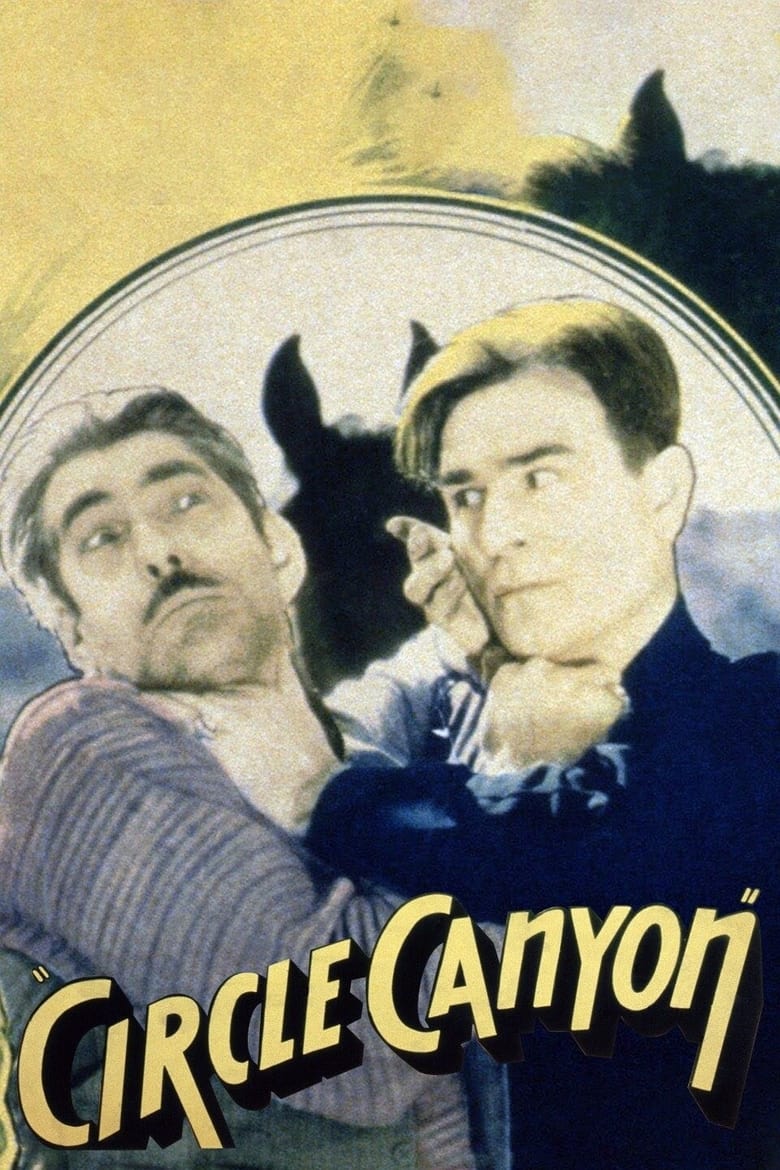
1933
PassedDirector
Victor Adamson
Runtime
48 minutes
Average Rating
No ratings yetSynopsis
The simplified plot has two different gangs attempting to wrest control of valuable Oklahoma oil lands from an orphaned girl, who is aided in her fight by her adopted father Chris Morrell.
Overall Score
Limited
Category Breakdown
LGBTQ+ Representation
The film lacks any evidence of non-cisnormative identities or same-sex intimacy. The story focuses on traditional land disputes and guardianship.
Gender Representation
An orphaned girl serves as the central protagonist, providing a rare female lead for the era. However, her agency is limited by a reliance on her adopted father's protection.
Racial & Ethnic Diversity
The narrative appears to follow the era's standard of homogeneous white casting. There is no indication of non-Anglo-Saxon characters within the Oklahoma setting.
Religious & Cultural Diversity
The plot centers on resource competition and frontier justice regarding oil lands. It adheres to conventional Western motifs of property rights and territorial dominance.
Disability Representation
There is no information available regarding the depiction of physical or neurodivergent disabilities in this production.
Strengths
Areas for Improvement
AI Analysis
Circle Canyon is a conventional 1930s Western that relies heavily on established genre tropes. The narrative structure prioritizes traditional hierarchies, particularly regarding gender and land ownership, rather than offering any systemic critique or intersectional depth. While the film provides a central female character, her role is framed through a patriarchal lens of male guardianship. The lack of diverse casting or non-traditional identities reflects the standard production limitations and social norms of early sound-era filmmaking. Ultimately, the film functions as a straightforward territorial conflict story. It lacks the complexity required to challenge the social or cultural status quo of its time.
1933

1934
1934
1934
1934

1930
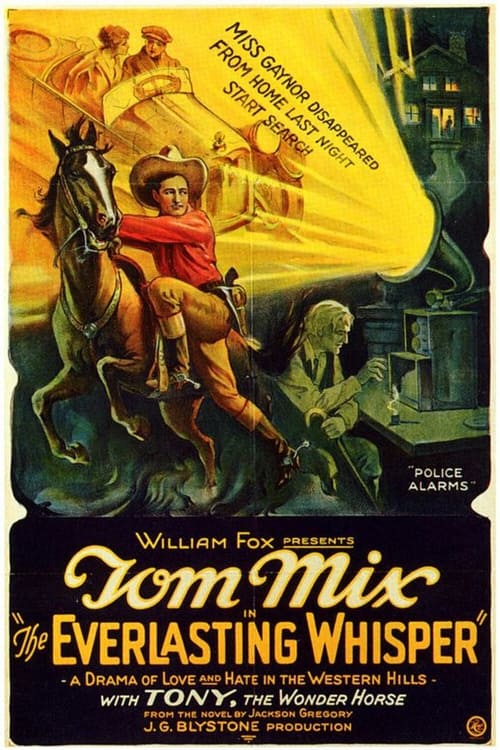
1925
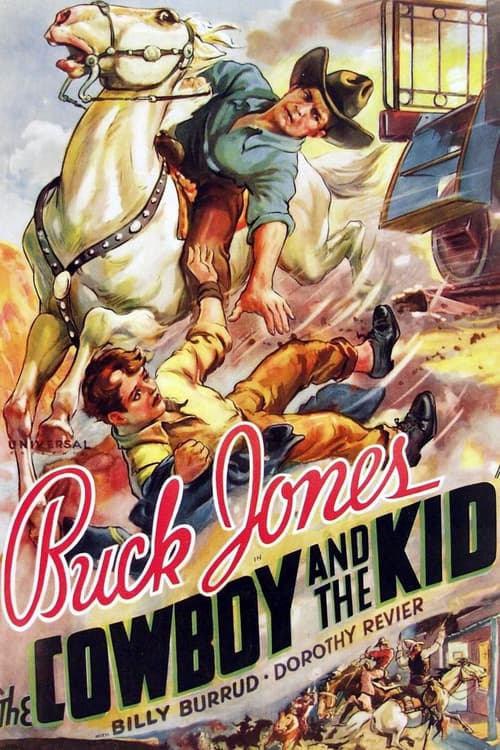
1936
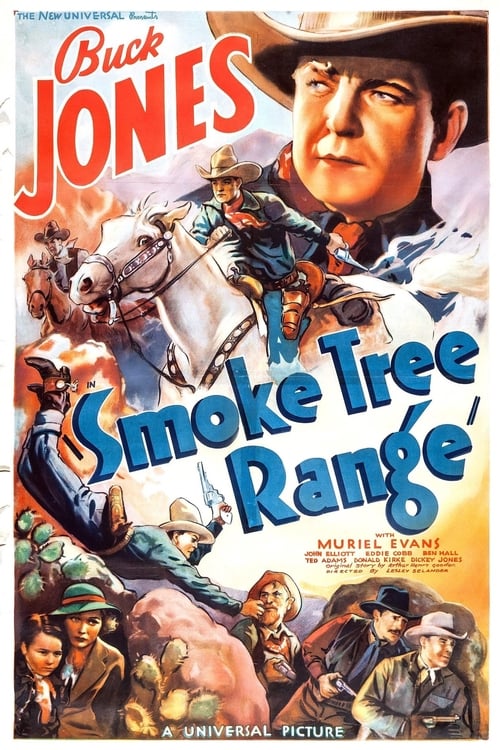
1937
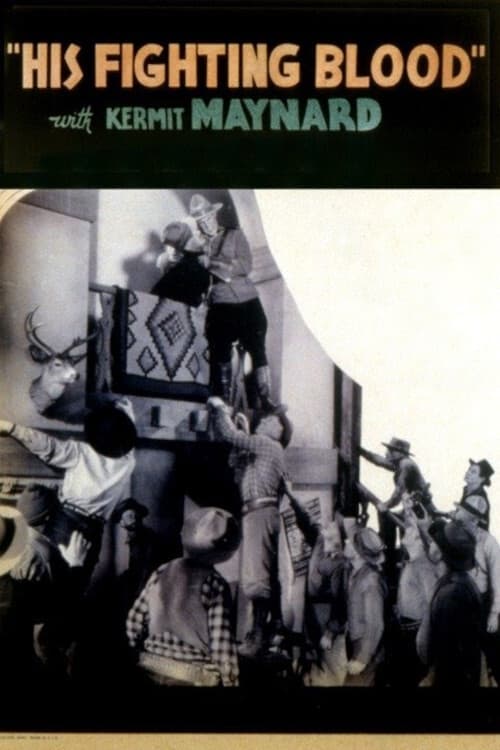
1935
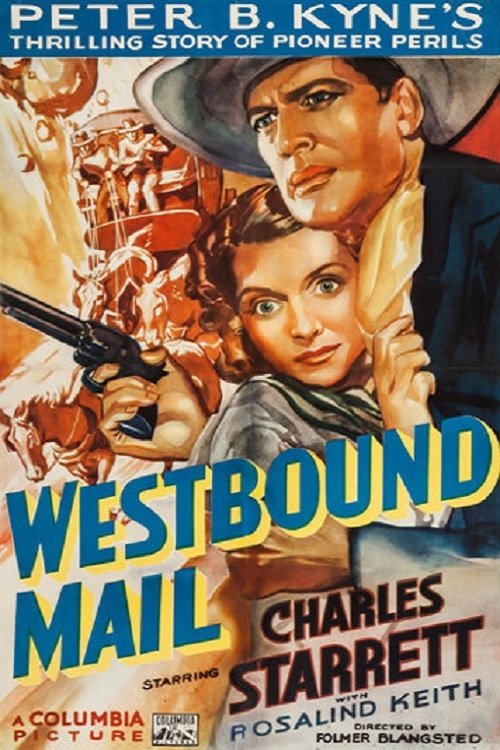
1937
1931
No reviews yet. Be the first to share your thoughts on this movie!
Use the rating form above to leave a star rating and optional review.