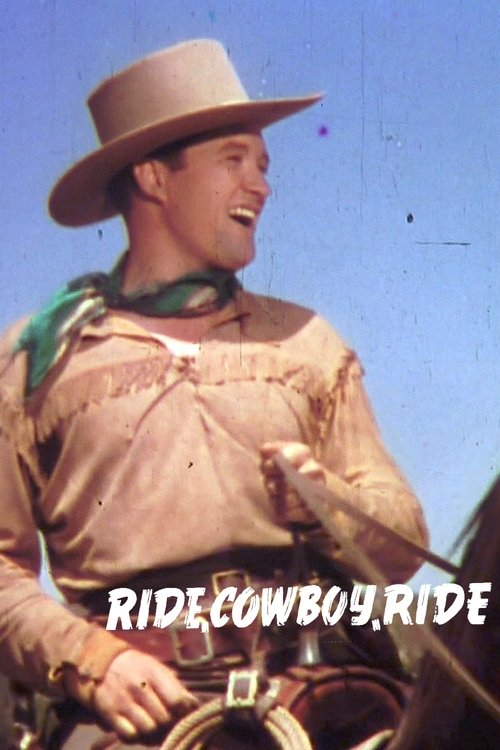
Ride, Cowboy, Ride
1939
No user ratings available yet
Diversity score: 2.7 out of 10
No Poster Available
1935
ApprovedDirector
Deane H. Dickason
Runtime
9 minutes
Average Rating
No ratings yetSynopsis
An Edgar A. Guest Poetic Gem. It features the original song Take Me Home to the Mountain by Loesser & Herscher.
Overall Score
Limited
Category Breakdown
LGBTQ+ Representation
The film lacks any evidence of non-cisnormative identities. It functions as a traditional musical Western, a genre that historically reinforced heteronormative social structures.
Gender Representation
The narrative centers on the rugged, solitary masculinity of the 'Old Prospector' archetype. There is no indication of female characters possessing high agency or subverting gender hierarchies.
Racial & Ethnic Diversity
The production likely reflects the homogeneous casting standards of the 1930s. It focuses on Anglo-Saxon protagonists, a common trait in Westerns of this era.
Religious & Cultural Diversity
Thematic elements lean toward nostalgia and sentimentalized views of the American frontier. This orientation promotes conventional Western values and stable, pastoral morality.
Disability Representation
There is no documented evidence of characters with visible or invisible disabilities serving as central narrative drivers or plot devices.
Strengths
Areas for Improvement
AI Analysis
The Old Prospector Talks is a product of its era, adhering to the standardized genre conventions of 1935. The film prioritizes traditionalist narratives and established social hierarchies common to the Western and Musical genres of the early sound period. Its reliance on the poetry of Edgar A. Guest and sentimental songs suggests a focus on nostalgia rather than social critique. The film reinforces mid-1930s cinematic norms through its archetypal characters and conventional themes. Ultimately, the work functions as a reflection of historical social structures, offering little to no subversion of the status quo regarding gender, race, or identity.
1939
1942
1938
1954
1945
1934
1946
1937

1943
1935
No reviews yet. Be the first to share your thoughts on this movie!
Use the rating form above to leave a star rating and optional review.