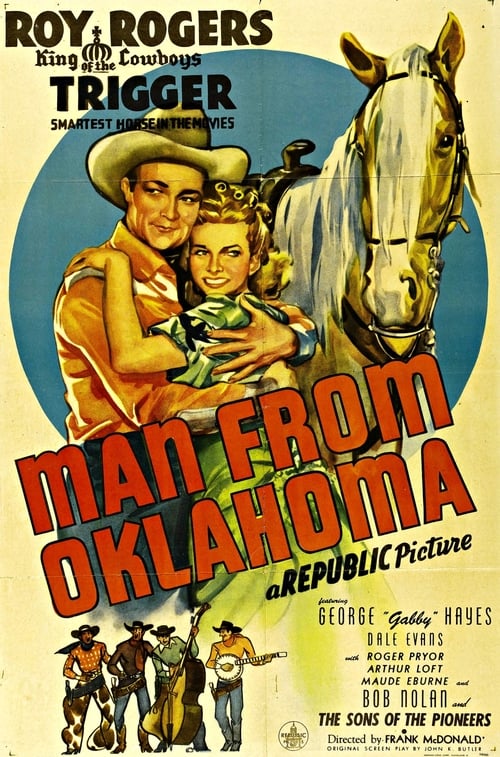
Man from Oklahoma
1945
No user ratings available yet
Representation score: 0.7 out of 10
Representation Score
Minimal
1946
ApprovedDirector
Frank McDonald
Runtime
68 minutes
Average Rating
No ratings yetNew Showbiz Analysis
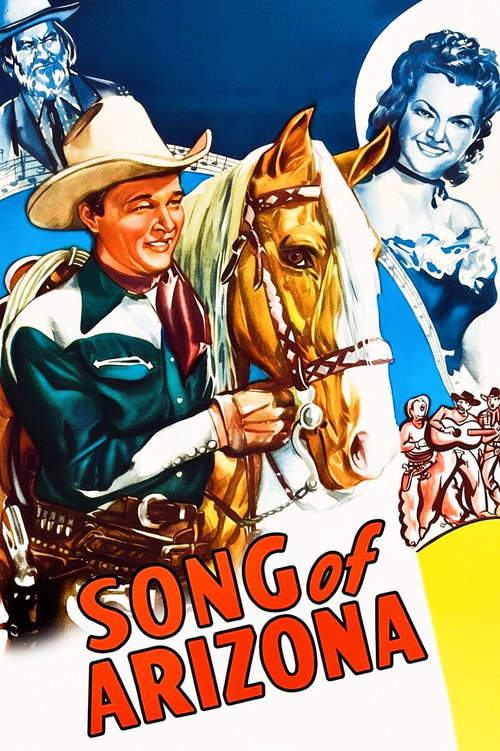
Song of Arizona is a traditional Western film that upholds the social, racial, and gender norms of the 1940s. It relies on standard genre conventions and traditional narrative structures, reinforcing established hierarchies and moral binaries. The film does not introduce new perspectives or multi-layered complexities, instead reflecting the cultural norms of its time.
Category Breakdown
The film strictly follows mid-century standards, showing no non-traditional gender identities or same-sex relationships.
Male characters, especially the protagonist, have significant influence over the plot. Female characters support traditional roles.
The film sticks to 1940s Western clichés, focusing on Anglo-Saxon heroes without significant racial diversity.
It upholds traditional Western values, emphasizing clear moral distinctions between the hero and the villain.
There are no characters with visible or invisible disabilities mentioned in the story.
Present on Screen
Limited or Absent
Official Synopsis
Roy Rogers rides to the rescue when a bank robber's orphaned son (Tommy Cook), who is living at a ranch for homeless boys run by Gabby Whittaker (George "Gabby" Hayes), attracts the attention his father's rowdy gang, who want to claim the boy's inheritance for themselves
1945
1942
1942
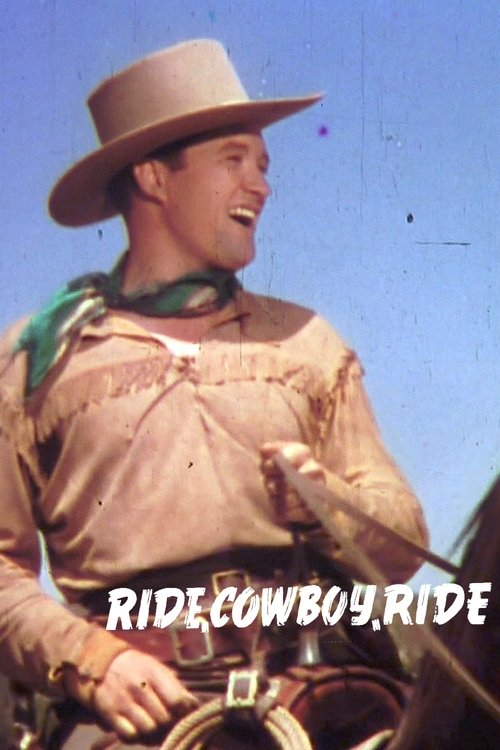
1939
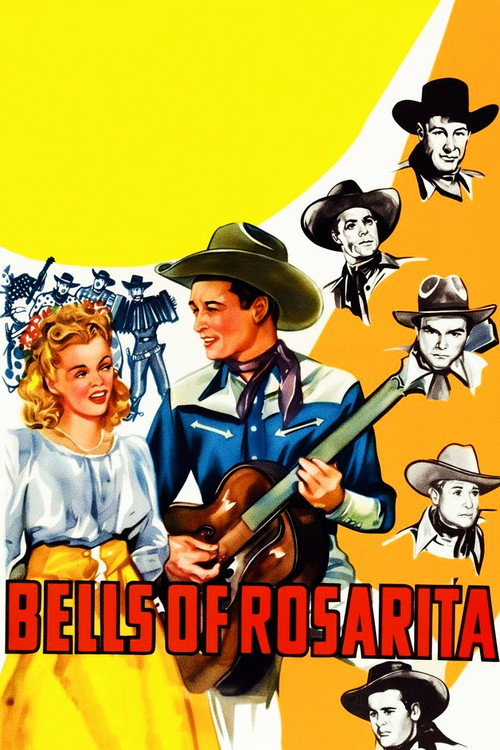
1945
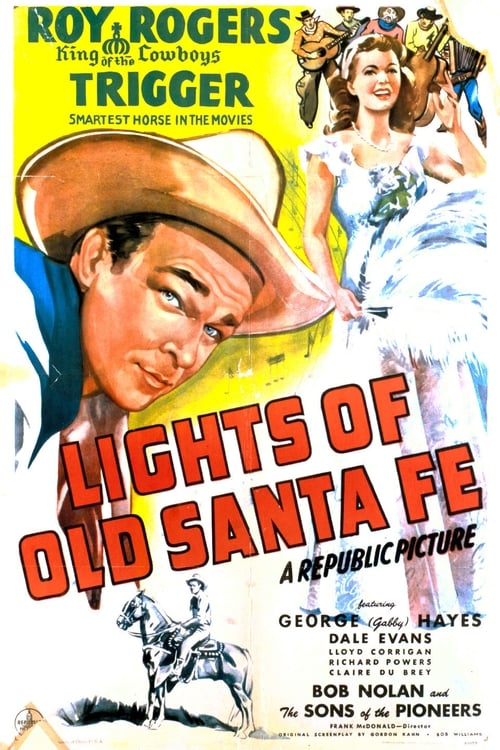
1944
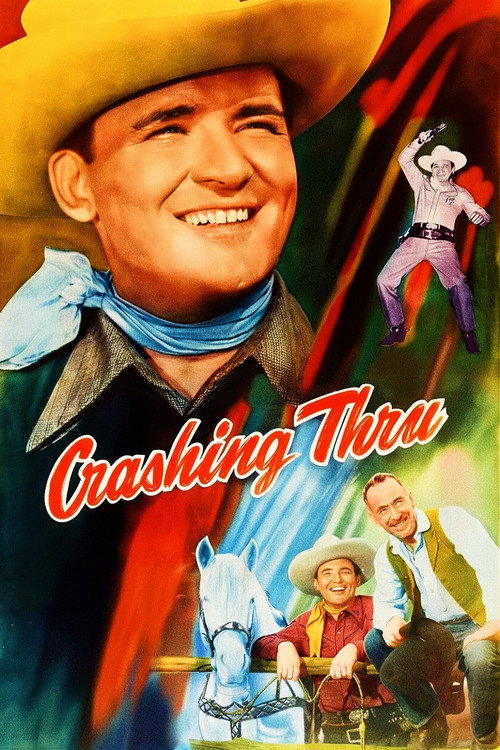
1949

1942
No reviews yet. Be the first to share your thoughts on this movie!
Use the rating form above to leave a star rating and optional review.