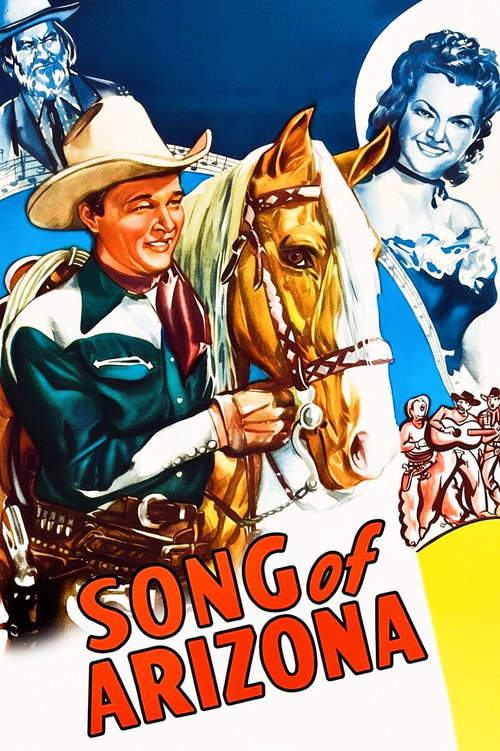
Song of Arizona
1946
No user ratings available yet
Representation score: 0.6 out of 10
Representation Score
Minimal
1939
ApprovedDirector
George Amy
Runtime
22 minutes
Average Rating
No ratings yetNew Showbiz Analysis
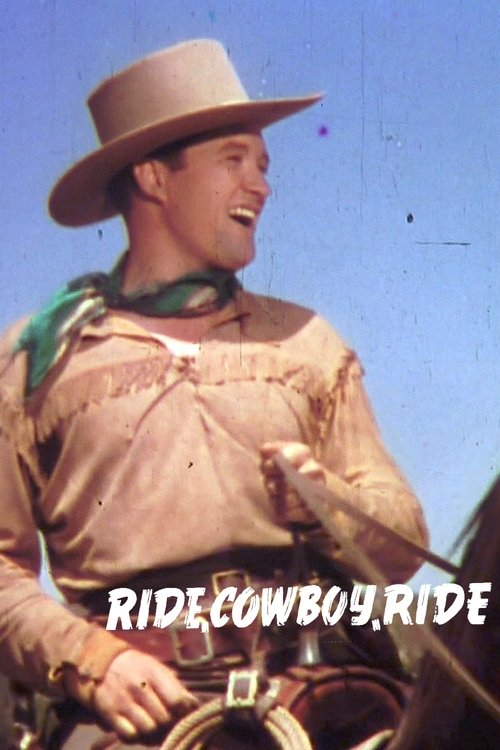
Ride, Cowboy, Ride is a product of the 1939 studio system, operating under the constraints of the Hays Code and established genre conventions. The narrative prioritizes conventional morality and traditional social hierarchies over any subversion of cultural norms. The film relies heavily on standard Western clichés, where gender roles are clearly defined by physical ability to act and protection. The romantic arc is strictly straight-centered, following the period's predictable storytelling patterns. Ultimately, the work reinforces the status quo of its era, lacking complexity in representing diverse identities.
Category Breakdown
The film focuses on a romantic relationship between Dinny and Laura, which follows traditional heterosexual norms. There are no characters or narratives that explore non-traditional gender identities or sexual orientations.
Male characters play roles that involve physical strength and protection, such as rescuing the female lead. Laura is portrayed mainly as someone who receives help, reinforcing traditional gender roles.
The presence of an outlaw named Pancho Dominguez suggests the use of ethnic stereotypes. The film seems to follow the demographic trends typical of 1930s Westerns.
The plot centers around protecting civic institutions like the bank to maintain order. It reflects the era's preference for stability and the reinforcement of Western social structures.
There are no visible or invisible disabilities depicted within the main character arcs.
Present on Screen
Limited or Absent
Official Synopsis
Dinny and his cowhand friends rescue Laura from a runaway stagecoach after it is robbed by outlaw Pancho Dominguez and his gang. Dinny is attracted to Laura, who isn't interested in him at all. The climax arises when Pancho's gang raids the town and robs the bank.
1946
1938
1937
1929
1945
1935
1943
1942
No reviews yet. Be the first to share your thoughts on this movie!
Use the rating form above to leave a star rating and optional review.