The Old Prospector Talks
1935
No user ratings available yet
Representation score: 1.3 out of 10
No Poster Available
Representation Score
Minimal
1935
APPROVEDDirector
Deane H. Dickason
Runtime
9 minutes
Average Rating
No ratings yetNew Showbiz Analysis
Early in the Mornin' is a lyrical, photographic tribute to the American South, focusing on scenery and musical themes rather than character-driven social commentary. The film adheres to the traditionalist aesthetics of 1935, emphasizing nostalgic landscapes and patriotic sentimentality. This approach avoids multi-layered themes, sticking to a conventional portrayal of the American pastoral experience. Since the work centers on scenery and song, it lacks the necessary complexity to explore diverse identities or systemic critiques.
Category Breakdown
The film does not include any LGBTQ+ characters or stories about non-cisgender identities. Instead, it focuses on the landscape and music, avoiding identity-focused character development.
The production is centered around musical and scenic elements, lacking complex gender roles. It may reinforce passive gender stereotypes typical of period landscape studies.
Presented as a tribute to the American South, the film does not provide detailed information about a diverse cast. It likely emphasizes traditional imagery without highlighting multi-layered themes.
The film celebrates regional identity and pastoral life through patriotic poetry. It upholds traditional cultural and natural order without challenging established norms.
There is no information about the inclusion or depiction of characters with physical or neurodivergent disabilities.
Present on Screen
Limited or Absent
Official Synopsis
Based on the Edgar A. Guest poem of the same name, this is photographic ode to the American South, featuring representative scenery. Mendelsohn's "Spring Song" is the musical theme throughout, and Al Shayne sings an original song based on Guest's poem.
1935
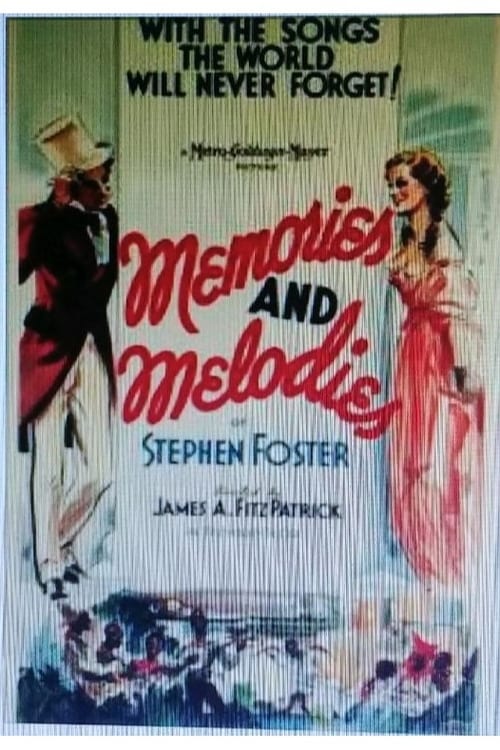
1935
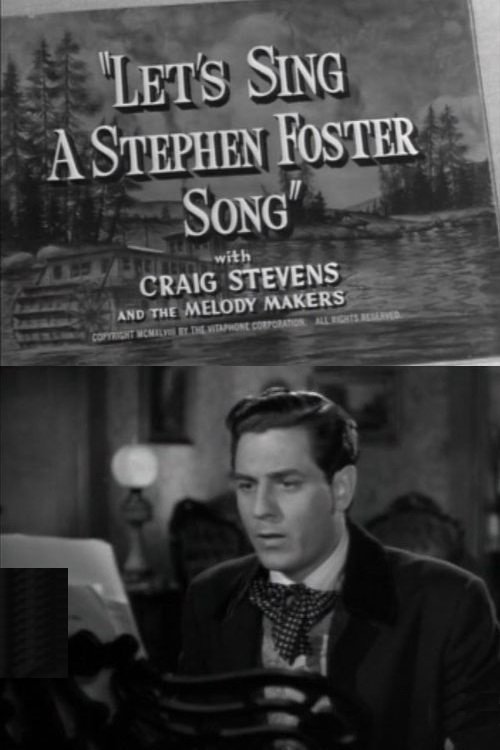
1948
1947
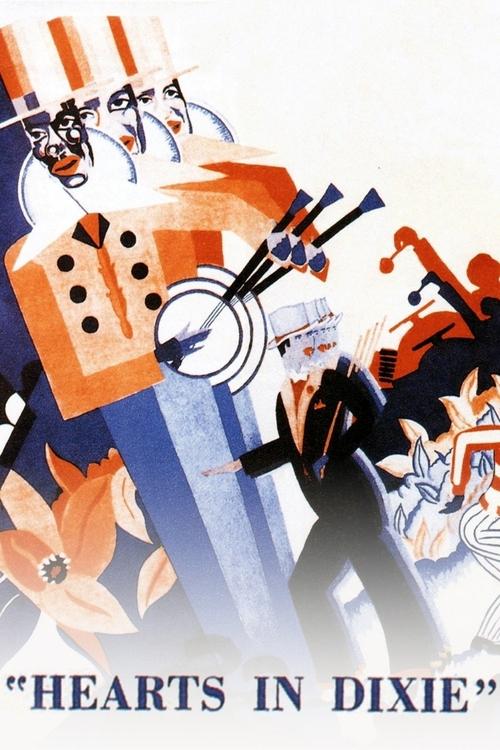
1929
1936
1933

1935
No reviews yet. Be the first to share your thoughts on this movie!
Use the rating form above to leave a star rating and optional review.