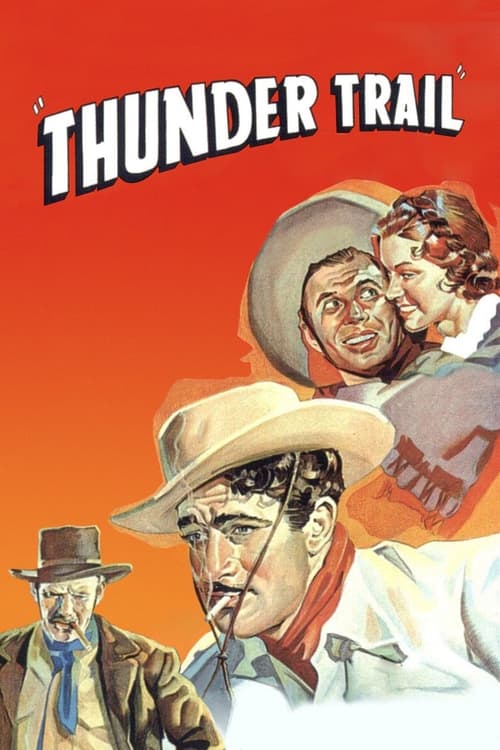
Thunder Trail
1937
No user ratings available yet
Diversity score: 2.7 out of 10
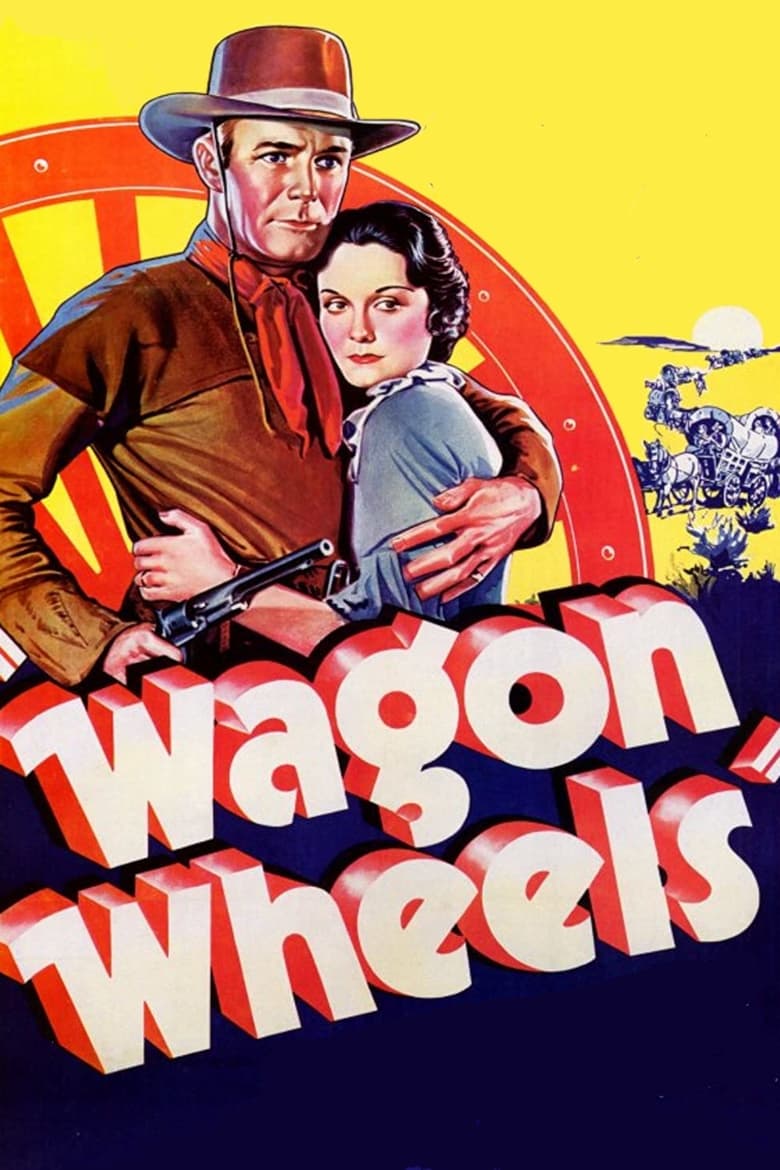
1934
NRDirector
Charles Barton
Runtime
56 minutes
Average Rating
No ratings yetSynopsis
A wagon train heads west from Independence, Mo., along the Oregon Trail, led by proud cowboy Clint Belmet. On board are feisty young widow Nancy Wellington and her toddler, Sonny, as well as the older Abby Masters, who begins a romance with scout Jim Burch. Along the way, the wagon train battles Indians led by Kenneth Murdock, a trapper who doesn't welcome competition for Oregon's lucrative fur trade. Wagon Wheels is a 1934 remake of 1931's Fighting Caravans, using stock footage from the original.
Overall Score
Minimal
Category Breakdown
LGBTQ+ Representation
The film focuses on traditional heterosexual pairings, such as the romance between Abby Masters and Jim Burch. There are no depictions of non-cisnormative identities or narratives that challenge heteronormativity.
Gender Representation
Nancy Wellington is presented as a feisty widow, offering some personality beyond submissive archetypes. However, the story remains centered on male leadership and protection within traditional gender hierarchies.
Racial & Ethnic Diversity
The plot features conflict between the wagon train and Indigenous groups. These depictions align with 1930s Western tropes, positioning westward expansion as a central, unchallenged narrative.
Religious & Cultural Diversity
The story reinforces expansionist values and the pursuit of the lucrative fur trade. It lacks any critique of the frontier conquest or the economic motivations driving the characters.
Disability Representation
The character descriptions provided do not mention or depict any visible or invisible disabilities.
Strengths
Areas for Improvement
AI Analysis
Wagon Wheels is a standard 1930s Western that adheres strictly to the genre's conventional social and narrative hierarchies. The film functions as a period piece that reinforces traditional values rather than questioning them. The narrative is driven by male-centric leadership and traditional romantic structures. While female characters possess some personality, the power dynamics remain firmly rooted in the era's established gender roles. Representation of Indigenous groups follows the adversarial tropes common to early Western cinema. The film prioritizes the themes of frontier conquest and economic opportunity over any nuanced cultural exploration.
No reviews yet. Be the first to share your thoughts on this movie!
Use the rating form above to leave a star rating and optional review.