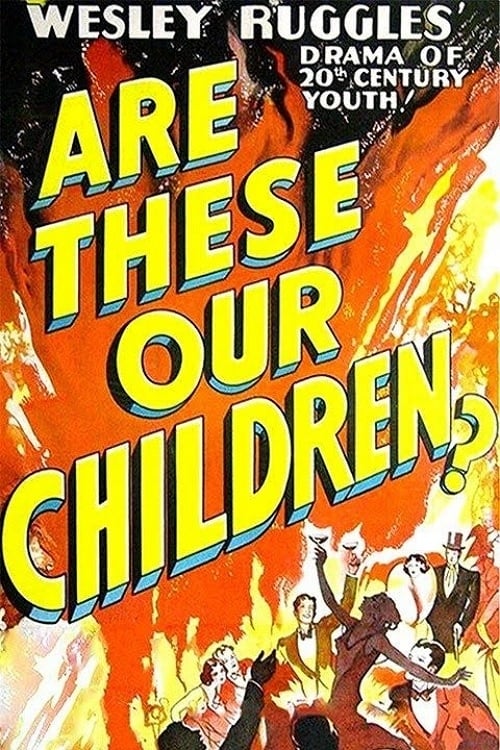
Are These Our Children?
1931
No user ratings available yet
Representation score: 1.3 out of 10

Representation Score
Minimal
1947
ApprovedDirector
Arthur Pierson
Runtime
62 minutes
Average Rating
No ratings yetNew Showbiz Analysis
Dangerous Years is a product of the 1947 studio system, focusing on moralistic social dramas. The story revolves around the tension between delinquency and authority, with a male-dominated conflict between a youth leader and a rebellious hoodlum. The film adheres to the era's standard social hierarchies, offering little room for diverse identities. The narrative structure emphasizes the preservation of order and traditional masculine archetypes, such as the authority figure and the rebel. Ultimately, the film serves as a conventional drama that upholds mid-century social norms without challenging them. It lacks significant representation of diverse racial, gender, or LGBTQ+ perspectives.
Category Breakdown
The film does not include any characters with non-binary gender identities or same-sex relationships. It follows a traditional storyline typical of the 1940s.
The plot is driven mainly by male characters and their conflicts with authority. Eve’s presence at the juke joint is limited, and she does not play a central role in the narrative.
The story focuses on a homogeneous group of teenagers in a small town. There is no indication of diverse casting or challenging racial norms.
The narrative emphasizes traditional Western values and institutional stability. It centers on the consequences of social deviance and the restoration of order through legal processes.
The film provides no information regarding characters with visible or invisible disabilities.
Present on Screen
Limited or Absent
Official Synopsis
Jeff Carter has put an end to the town's delinquency with a boys' club. Young hoodlum Danny shows up and influences teenagers Doris, Willy and Leo. They hang out at a juke joint where Eve works. When Jeff tries to stop a robbery planned by Danny, he is killed and Danny goes on trial.
1931
1938
1949
1958
1957
1950
1949
1937
No reviews yet. Be the first to share your thoughts on this movie!
Use the rating form above to leave a star rating and optional review.