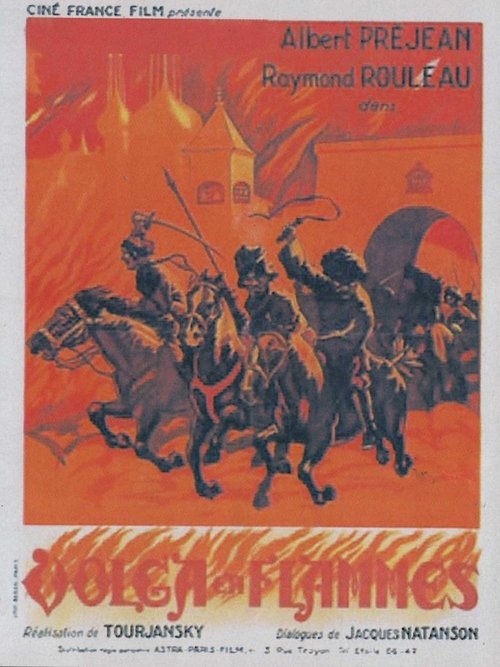
Volga in Flames
1934
No user ratings available yet
Representation score: 1.9 out of 10

Representation Score
Limited
1932
Director
Semyon Timoshenko
Runtime
74 minutes
Average Rating
No ratings yetNew Showbiz Analysis
Sniper (1932) is a product of early Soviet cinema, prioritizing ideological shifts over modern characters who reflect more than one aspect of diversity. It succeeds in its era's goal of deconstructing imperialist hierarchies, framing the transition from soldier to laborer as a victory for the proletariat. However, the film remains narrow in its social scope. It relies heavily on masculine archetypes and a homogeneous ethnic perspective, offering little room for gender diversity or non-traditional identities. Ultimately, the film's strength lies in its cultural critique of the old order, even as it fails to include a broad spectrum of human experiences.
Category Breakdown
The film does not include any LGBTQ+ characters or narratives. It focuses on military and political settings without exploring non-straight relationships or identities.
The story centers around male-dominated environments such as the military and factories. It emphasizes masculine archetypes of soldiers and instructors without challenging traditional gender roles.
The narrative depicts a homogeneous ethnic experience centered on Russian soldiers. There is no evidence of a multi-ethnic cast or diverse racial representation.
The film offers strong progressive ideological framing for its era. It critiques Tsarist structures by framing the old imperialist order as the primary antagonist.
There is no evidence of characters with physical or neurodivergent disabilities. The film does not address disability representation.
Present on Screen
Limited or Absent
Official Synopsis
During World War 1 a Russian soldier serves in Russian Expeditionary Force in France where he is chosen for his marksmanship and trained as a skilled sniper. After the Russian revolution the soldier returns home while his commander fights against the Soviet Russia. In 1930 the former soldier works on a factory and also he is the instructor in shooting club. Once the town that is near the Soviet border is attacked by foreign troops (the hostile state isn't named but the uniform of the soldiers resembles Finnish). The character meets againt with his former commander who serves in invading forces.
1934
1959
1958
2017

2002
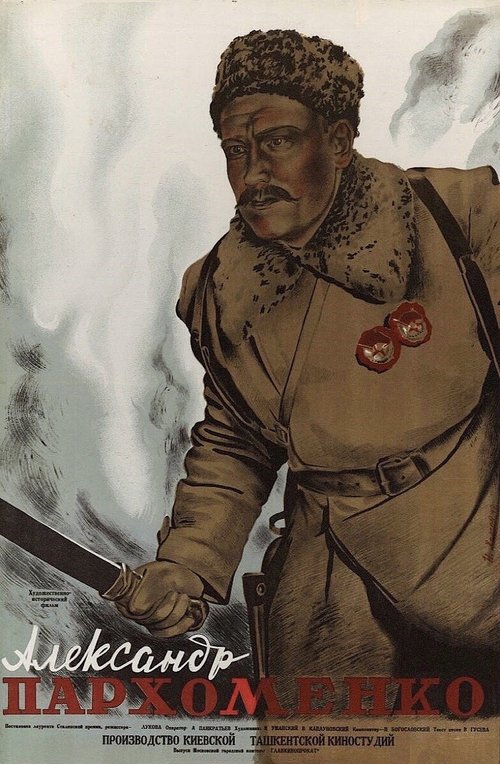
1942
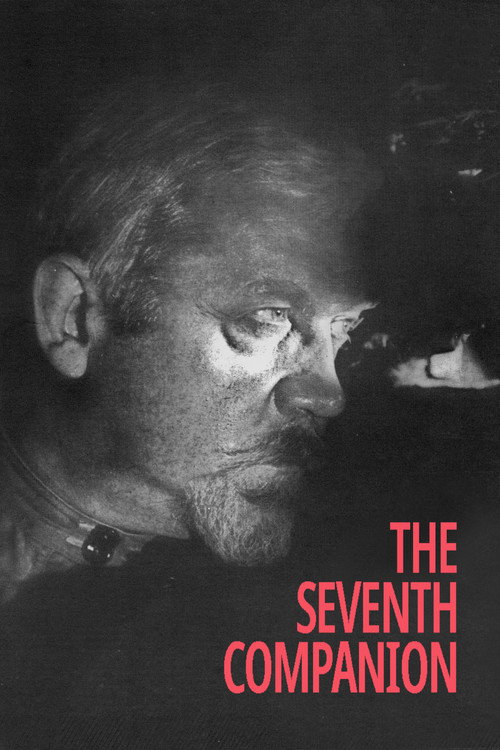
1967
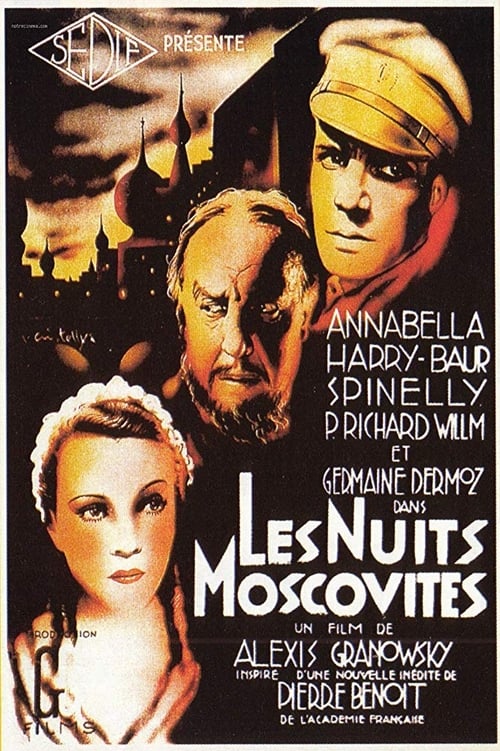
1934
No reviews yet. Be the first to share your thoughts on this movie!
Use the rating form above to leave a star rating and optional review.