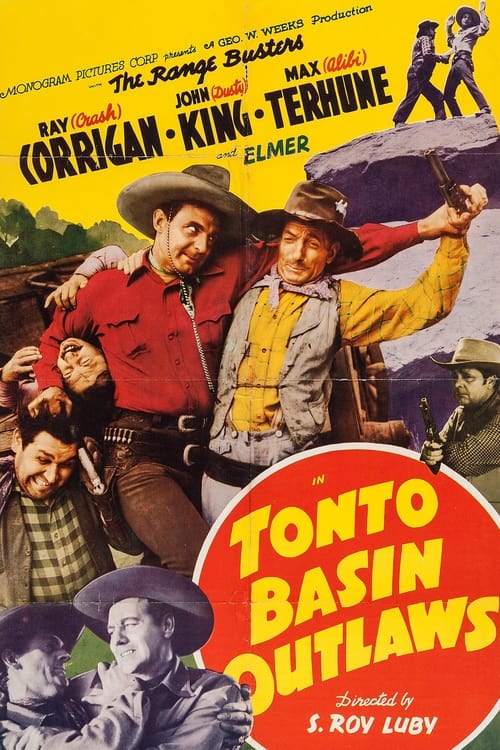
Tonto Basin Outlaws
1941
No user ratings available yet
Diversity score: 2.3 out of 10
1950
ApprovedDirector
Richard Talmadge
Runtime
57 minutes
Average Rating
No ratings yetSynopsis
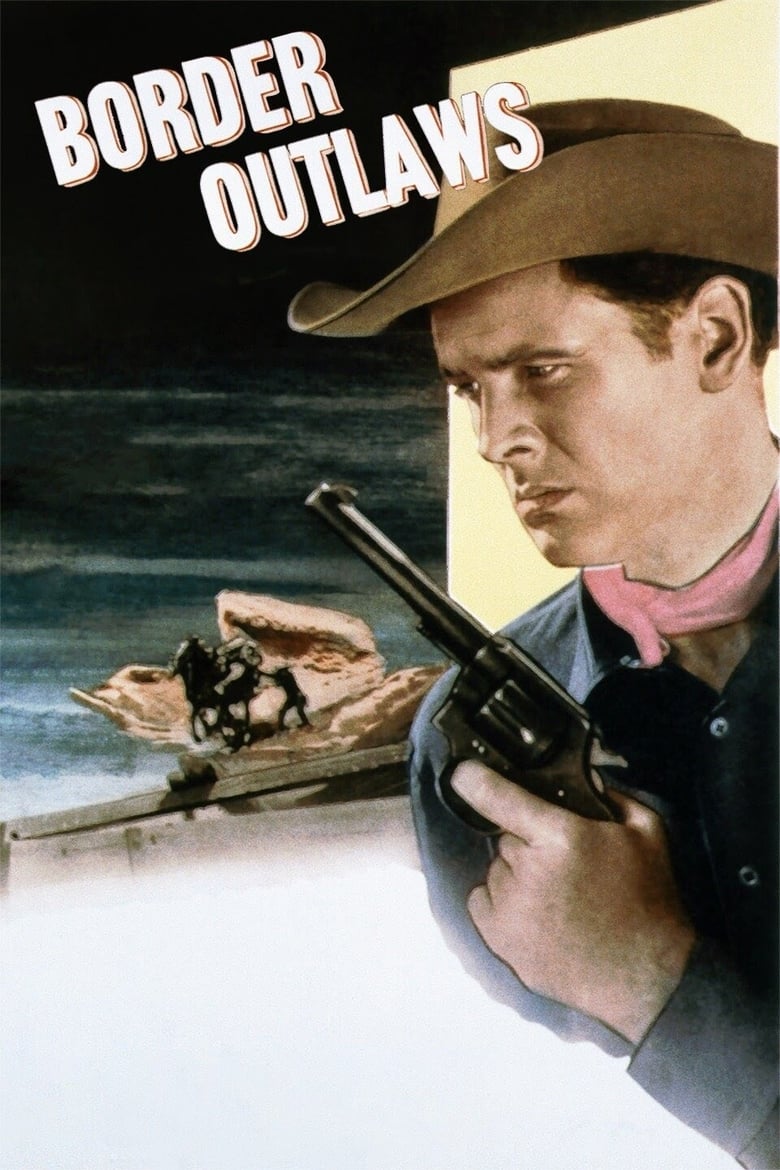
Western tale of a special agent (Bill Edwards) unravelling a series of rustlings on and around Cooley's dude ranch
Overall Score
Limited
Category Breakdown
LGBTQ+ Representation
The film adheres to the heteronormative standards of 1950s cinema. There are no visible LGBTQ+ characters or non-heteronormative narratives present.
Gender Representation
Plot agency is concentrated in the male protagonist, Bill Edwards. While the dude ranch setting implies female presence, the narrative maintains a traditional gender hierarchy.
Racial & Ethnic Diversity
The film reflects the homogeneous casting norms typical of mid-century studio productions. There is no evidence of high-agency characters of color or diverse casting.
Religious & Cultural Diversity
The story reinforces established authority and legal structures through its special agent protagonist. It operates within a traditional framework of law and property rights.
Disability Representation
There is no mention of characters with visible or invisible disabilities. The narrative does not integrate themes related to disability.
Strengths
Areas for Improvement
AI Analysis
Border Outlaws is a conventional mid-century Western that prioritizes genre tropes over social complexity. The narrative is driven by a male special agent, centering the story on traditional masculine authority and the enforcement of law and order. The film lacks meaningful representation across most intersectional categories. It follows the standard social and narrative constraints of its era, offering little engagement with diverse identities or progressive themes. Ultimately, the production functions as a standard genre piece, maintaining the status quo of 1950s American cinema through its casting and thematic focus.
1941
1950
1950
1950
1946
1945
1944
1935
1935
1952
1941
1951
No reviews yet. Be the first to share your thoughts on this movie!
Use the rating form above to leave a star rating and optional review.