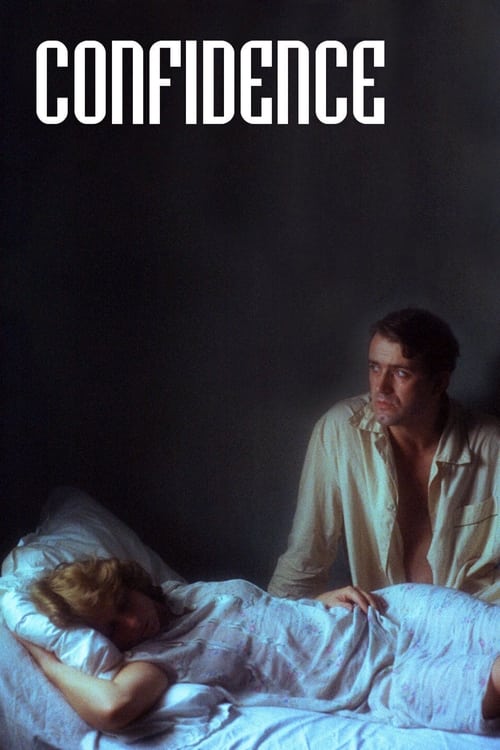
Confidence
1980
No user ratings available yet
Representation score: 5.1 out of 10

Representation Score
Good
2000
Director
Frigyes Gödrös
Runtime
115 minutes
Average Rating
No ratings yetNew Showbiz Analysis
Glamour is a sophisticated historical drama that examines how systemic oppression affects underrepresented identities through the Vendel family saga. Its strength lies in its multi-layered approach to ethnicity and religion, offering a critique of 20th-century European political structures. The film uses the domestic sphere as a metaphor for resisting totalitarianism. However, it remains limited in its scope regarding LGBTQ+ representation and disability, with themes of secrecy serving as a bridge to queer experiences.
Category Breakdown
The film does not explicitly depict LGBTQ+ identities but explores the theme of concealing one's true self to survive oppressive laws, which parallels the experience of concealing queer identities.
Traditional male characters hold economic leadership roles, but the narrative emphasizes domestic resilience. A German nursery school teacher serves as a catalyst, highlighting the domestic sphere as a site of resistance.
The film centers the Hungarian-Jewish Vendel family within a European historical context, challenging racial purity ideologies through the lens of an inter-religious marriage.
The story critiques fascist institutions by framing marriage prohibitions as a primary antagonist. It prioritizes the preservation of humanism and diverse identities against totalitarianism and state-driven nationalism.
There is no evidence of physical or neurodivergent disabilities being portrayed within the narrative.
Present on Screen
Limited or Absent
Official Synopsis
The tumultuous history of Hungary through the twentieth century is viewed through the saga of the Hungarian-Jewish, furniture-manufacturing family, the Vendels. After taking over the once successful, but now failing, family business in the 1930s, the family patriarch's dashing elder son decides that the family needs an infusion of new blood. A matchmaker presents him with a photo of a pretty German nursery school teacher. When the two meet, they instantly fall in love, but because Hungary has an alliance with Germany, and the Third Reich prohibits marriage between Gentiles and Jews, the couple must hide their union. Their marriage ultimately stands as a dark foreshadowing of rougher times to come as troubles ensue with the advent of World War II, when the family, its employees and servants must retreat to the basement, where the shop emerges increasingly as a refuge in a world growing more violent and less tolerant.
1980

1970

1949

2019

1947

2024

2002

1999
No reviews yet. Be the first to share your thoughts on this movie!
Use the rating form above to leave a star rating and optional review.