Montmartre on the Seine
1941
No user ratings available yet
Representation score: 1.4 out of 10
Representation Score
Limited
1947
Director
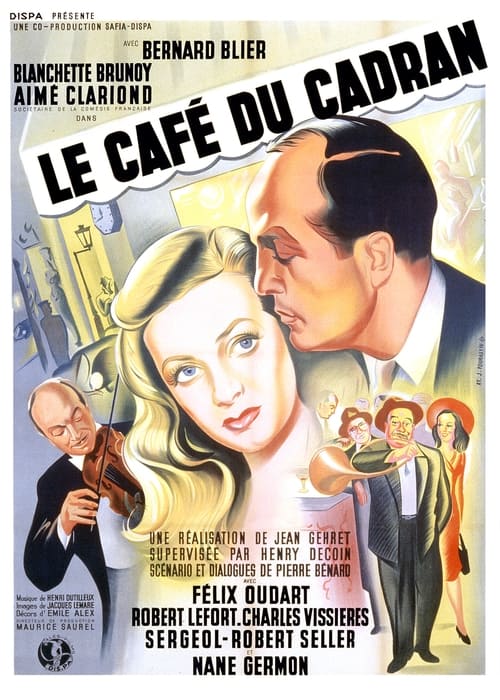
Henri Decoin, Jean Gehret
Runtime
80 minutes
Average Rating
No ratings yetNew Showbiz Analysis
Clockface Cafe is a character-driven period piece that reflects the demographic uniformity of post-war France. It emphasizes the social integration of a rural couple into Parisian life while staying within traditional social norms. The film provides a detailed look at the cultural shift from rural to urban living, highlighting the tension between old and new ways of life. However, this exploration stays within the confines of conventional social structures. Overall, the film follows a traditional narrative structure, lacking diverse representation and relying on established gender roles and a homogeneous cast.
Category Breakdown
The film does not include any LGBTQ+ characters or explore non-straight relationships. The story focuses on the relationship between Julien and Louise, following a traditional storyline.
Louise is a key character whose development depends heavily on male mentorship for both social guidance and personal growth. Her journey highlights her ability to take control of her life during her move from a rural to an urban environment.
The setting implies a socially uniform environment typical of French cinema from the late 1940s. Mr. Luigi adds a touch of cosmopolitan flair, but there is no significant racial diversity in the story.
The plot delves into the tension between rural customs and urban modernity, focusing on the preservation of family and small business ownership in mid-20th century Europe.
No disabilities, visible or otherwise, are mentioned in the narrative. There are no characters with physical or cognitive conditions that affect the plot.
Present on Screen
Limited or Absent
Official Synopsis
Julien Couturier and his wife Louise, a young couple from Auvergne who have come to Paris to try their luck for the first time in their lives, become the owners of the "Café du Cadran" ("Clockface Cafe"). On opening day, they meet the people who will become their clientele. It's a busy place, with regular customers served by two waiters, Jules and Victor. While Julien is comfortable in his role as boss, Louise doesn't quite get used to this urban world, where everything moves faster, especially human feelings. She often misses Marcenait, the village in Auvergne where she and her husband ran the "Café du Commerce". Mr. Luigi, a café customer and violinist who performs at the "Café de Paris", has undertaken Louise's cultural education. He teaches her how to dress and do her hair, while recounting his musical successes and travels, skilfully playing on his undeniable seductiveness...
1941
1938
1956
1970
1953
1955
1965
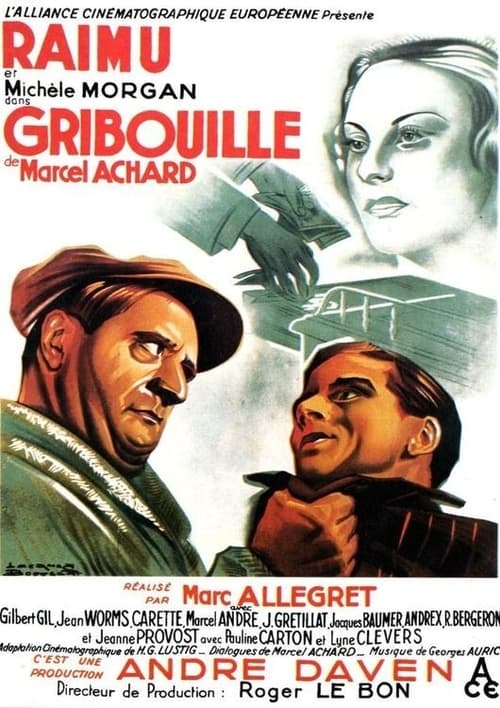
1937
No reviews yet. Be the first to share your thoughts on this movie!
Use the rating form above to leave a star rating and optional review.