
The Best of Youth
2003
No user ratings available yet
Representation score: 7.9 out of 10
Representation Score
Fair
2008
Director
Wilma Labate
Runtime
95 minutes
Average Rating
No ratings yetNew Showbiz Analysis
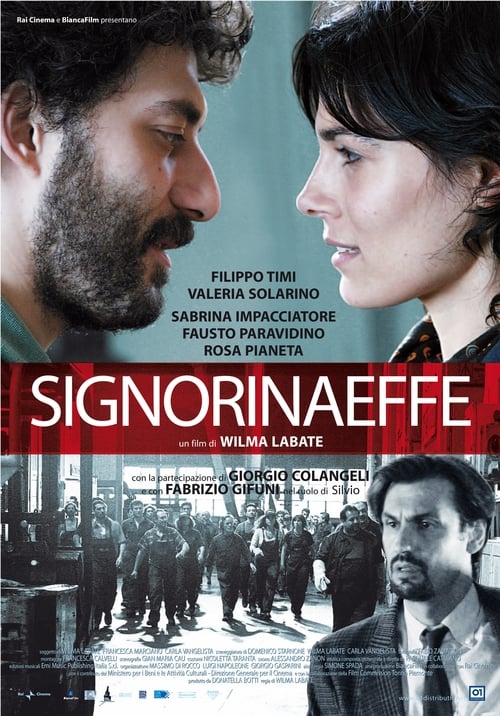
Signorina Effe is a socio-political character study that prioritizes the ability to act of the working class. It finds its strength in a gendered lens, placing a woman at the center of a historical labor struggle. However, the film lacks breadth in other areas. It adheres to traditional romantic structures and focuses on a localized Italian context, offering little representation for LGBTQ+ identities or diverse racial backgrounds. Ultimately, the film succeeds as an examination of systemic power dynamics and ideological conflict, even if it remains narrow in its demographic scope.
Category Breakdown
The film focuses on a traditional romance between a white-collar and blue-collar worker. There are no queer narratives or non-straight identities present.
A female protagonist drives the narrative, navigating a male-dominated industrial landscape. This shifts the focus from male leadership to a female-driven perspective on social change.
The casting reflects the demographic reality of 1980s Italy. It functions as a localized study of Italian social stratification rather than a multicultural or globalized narrative.
The story critiques economic structures by framing the FIAT strikes as a pivotal moment. It explores the friction between the working class and capitalist institutions through systemic critique.
The film provides no visible depiction of characters with physical or neurodivergent disabilities.
Present on Screen
Limited or Absent
Official Synopsis
A white and a blue collar worker fall in love during the 1980 strike at FIAT that marked the end for labor movement in Italy.
2003
1963

2009
1999

2018

2022
2009
2022
No reviews yet. Be the first to share your thoughts on this movie!
Use the rating form above to leave a star rating and optional review.