
March 1968
2022
No user ratings available yet
Representation score: 5.5 out of 10
Representation Score
Fair
2009
Director
Michele Placido
Runtime
101 minutes
Average Rating
No ratings yetNew Showbiz Analysis
The Big Dream is a period drama that excels in thematic subversion rather than broad demographic representation. By focusing on the tension between institutional authority and individual conscience, the film engages with progressive social critiques of the 1960s. However, the film's historical setting limits its racial and LGBTQ+ representation. The narrative remains centered on a traditional romantic arc and the political upheaval of Italy during that time. Ultimately, the film's diversity is intellectual rather than visual, emphasizing the deconstruction of systemic structures over a diverse cast.
Category Breakdown
The story centers around a heterosexual relationship between Nicola and Laura. There are no visible signs of LGBTQ+ narratives or characters with non-traditional gender identities.
Laura actively challenges the protagonist's allegiance to institutional authority. She plays a significant role in disrupting traditional social hierarchies.
Set in 1968 Italy, the film reflects the predominantly white population of the time. The central student protest movement lacks significant ethnic diversity.
The narrative focuses on critiquing traditional Western institutions and state-sanctioned order. It highlights student protests against government policies and generational values.
The film does not include characters dealing with physical or neurodevelopmental disabilities.
Present on Screen
Limited or Absent
Official Synopsis
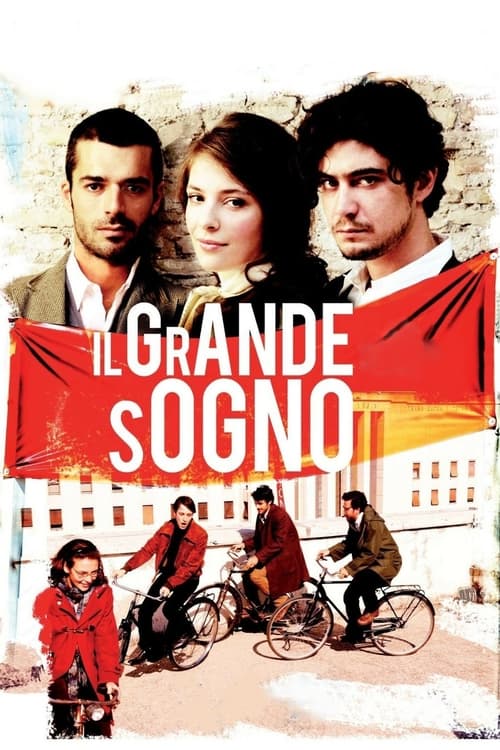
Italy, 1968. Aspiring actor Nicola enrolls in the police to pay for his studies, ending up undercover among college students protesting the government, the Vietnam War and the values of their parents' generation. However, he complicates his mission by falling for Laura, a bourgeois girl dreaming of a better world.
2022
1964
2008

1973

1969
1970

1969

2007
No reviews yet. Be the first to share your thoughts on this movie!
Use the rating form above to leave a star rating and optional review.