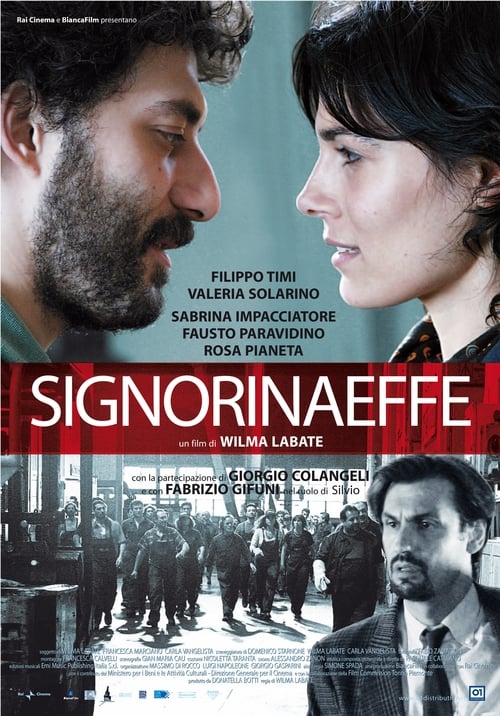
Signorina Effe
2008
No user ratings available yet
Representation score: 4.3 out of 10

Representation Score
Good
2003
RDirector
Marco Tullio Giordana
Runtime
367 minutes
Average Rating
No ratings yetNew Showbiz Analysis
The film is a sophisticated historical epic that prioritizes the tension between individual actions and state institutions. It succeeds by breaking down mid-century social norms and exploring the friction between radical movements and established political hierarchies. While the narrative remains anchored in a traditional fraternal bond, it offers a nuanced look at shifting cultural values. The strength of the work lies in its refusal to present simple moral binaries, opting instead for situational ethics. However, the film is limited by its historical homogeneity. It lacks significant representation of LGBTQ+ identities and diverse ethnic ensembles, reflecting the specific demographic constraints of the era it depicts.
Category Breakdown
The story focuses on brotherly bonds and heterosexual relationships. It examines changing social norms but does not center on LGBTQ+ identities or non-cisgender narratives.
Female characters serve as intellectual and moral leaders rather than domestic stereotypes. They navigate complex political environments, demonstrating significant influence that challenges traditional patriarchal structures.
The film reflects the relatively uniform demographic of the Italian middle class. It adheres to the historical social constraints of the mid-to-late 20th century.
The narrative excels at critiquing power structures and state authority. It delves into anti-capitalist sentiments and the systemic complexities of political struggles during the Years of Lead.
The film touches on human vulnerability but lacks central depictions of neurodivergence or physical disabilities. Disability is not a primary driver of the narrative.
Present on Screen
Limited or Absent
Official Synopsis
After a fateful encounter in the summer of 1966, the lifepaths of two brothers from a middle-class Roman family diverge, intersecting with some of the most significant events of postwar Italian history in the following decades.
2008

2020

2023
1976

1959

2007

2020

2004
No reviews yet. Be the first to share your thoughts on this movie!
Use the rating form above to leave a star rating and optional review.