
Girls on Probation
1938
No user ratings available yet
Representation score: 0.4 out of 10

Representation Score
Minimal
1930
PassedDirector
Edward F. Cline
Runtime
54 minutes
Average Rating
No ratings yetNew Showbiz Analysis
Sweet Mama is a classic early sound-era crime drama centered around a woman torn between romantic love and legal morality. While it lacks multi-layered complexity or diverse casting, the film stands out by giving the female lead a significant role in driving the story in shaping the plot. However, it remains firmly grounded in the traditional social structures and demographics of 1930s Hollywood.
Category Breakdown
The film does not include any non-heterosexual or transgender identities. The main romantic relationship follows a traditional heterosexual storyline.
The female lead plays a significant role in driving the story, making key decisions and influencing the plot's direction. She is not a passive character but actively shapes events.
The cast is predominantly Anglo-Saxon, reflecting the demographics typical of 1930s crime dramas. There is no indication of a racially diverse cast.
The story delves into the moral complexities of personal loyalty versus legal obligations. It highlights the gray areas where individual desires clash with societal rules.
The film does not feature any characters with visible or invisible disabilities.
Present on Screen
Limited or Absent
Official Synopsis
A young girl falls in love with a member of a gang of crooks. She determines to bring the rest of the gang to justice so she can save the man she loves.
1938

1937

1921

1936

1933
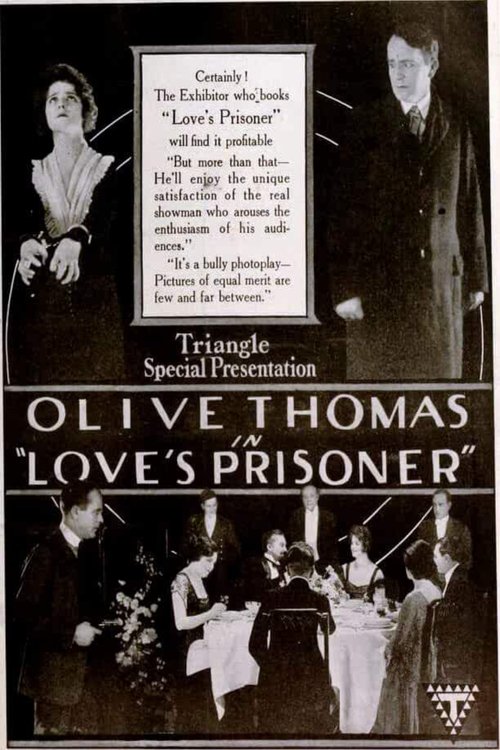
1919

1930
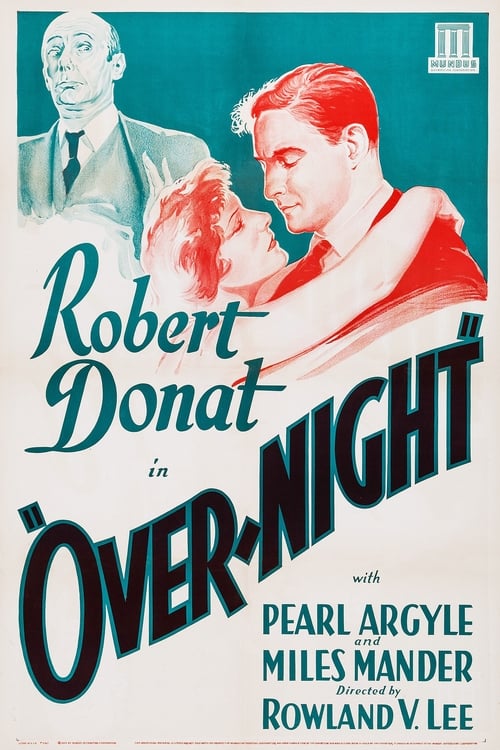
1932
No reviews yet. Be the first to share your thoughts on this movie!
Use the rating form above to leave a star rating and optional review.