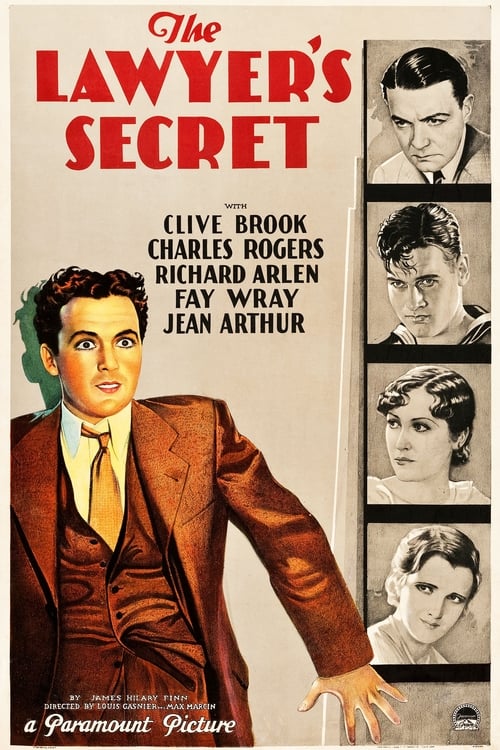
The Lawyer's Secret
1931
No user ratings available yet
Representation score: 1.3 out of 10
Representation Score
Minimal
1932
PassedDirector
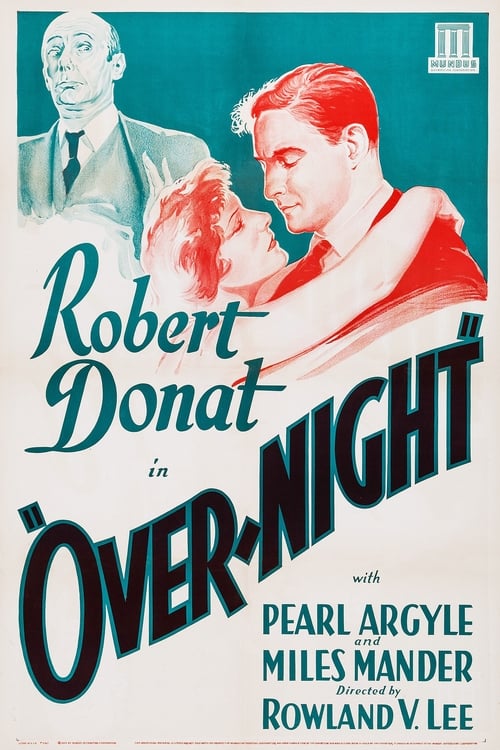
Rowland V. Lee
Runtime
78 minutes
Average Rating
No ratings yetNew Showbiz Analysis
That Night in London is a typical 1930s crime drama that adheres closely to the social and moral norms of its time. The narrative relies on traditional binaries, such as the contrast between crime and redemption, to propel the plot. The film lacks complexity in representing diverse identities and focuses instead on a narrow, straight-centered character study. It upholds conventional social hierarchies rather than challenging them through diverse casting or progressive themes. Overall, the film serves as a period piece reflecting the homogeneous and traditionalist cinematic landscape of early 1932.
Category Breakdown
The film centers on a heterosexual relationship between the main male character and a female character. There are no representations of LGBTQ+ identities or subtexts.
The movie employs the 'fallen woman' stereotype, where a female character seeks moral redemption. Despite having ability to act, her role reinforces traditional gender norms related to morality.
The film features a cast that reflects the homogeneity of the early sound era. There are no characters of color or racial diversity in the storyline.
The story is set within a traditional Western moral framework, focusing on themes of theft and redemption. It does not challenge established social or religious norms.
There are no depictions of physical or neurodivergent disabilities in the film.
Present on Screen
Limited or Absent
Official Synopsis
A young bank clerk steals £500 and plans to go on a spree before shooting himself but a bad girl turned good tries to convince him to return the money and stay alive
1931

1939
1934

1941
1939

1935

1931
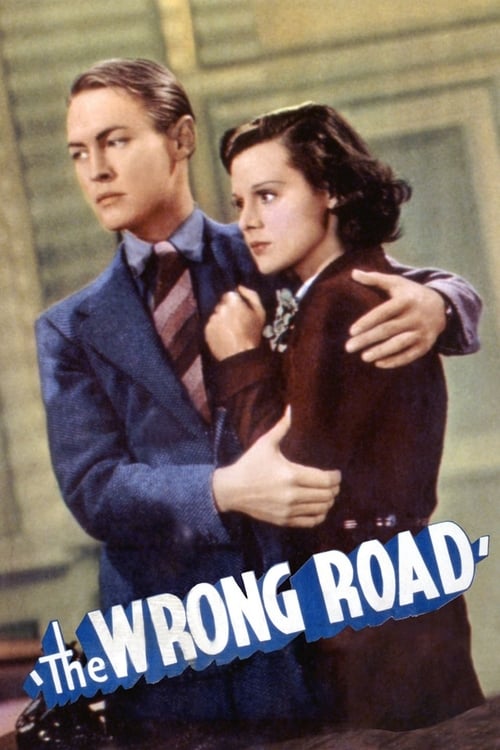
1937
No reviews yet. Be the first to share your thoughts on this movie!
Use the rating form above to leave a star rating and optional review.