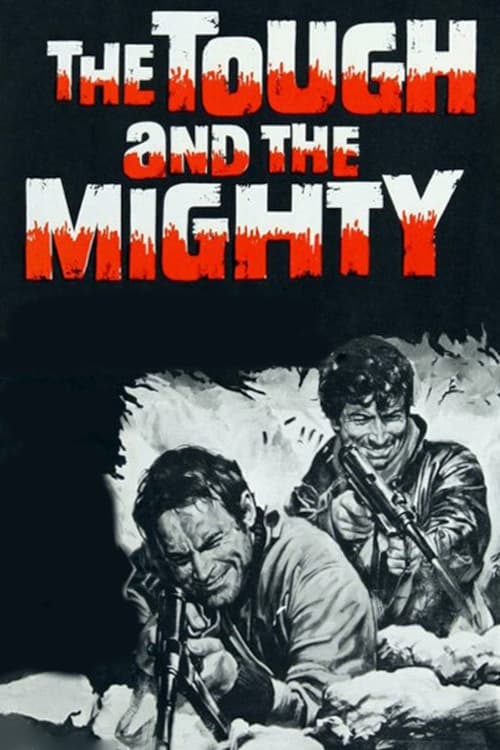
The Tough and the Mighty
1969
No user ratings available yet
Representation score: 6.2 out of 10
Representation Score
Limited
1952
Director
Pietro Germi
Runtime
93 minutes
Average Rating
No ratings yetNew Showbiz Analysis
Pietro Germi’s work is a traditionalist piece of regional cinema that adheres to the social frameworks of its time. It emphasizes the tension between individual honor and state authority over modern social representation. The film’s strength lies in its cultural specificity and its critical stance towards centralized law. By portraying the outlaw as a victim of rigid bureaucracy, it offers a meaningful critique of formal state institutions. However, the film remains deeply rooted in patriarchal and traditional gender hierarchies, maintaining masculine-driven narratives and failing to include diverse identities.
Category Breakdown
The film does not feature any LGBTQ+ characters or identities that challenge traditional heterosexual norms. The story centers around masculine codes of honor and the social structures of 19th-century Southern Italy.
Gender roles are strictly traditional, with the plot driven by masculine archetypes. Women play minor roles and have little influence over the main storyline.
The cast is primarily made up of actors representing the specific regional identity of Basilicata. The film serves as a culturally specific period piece rather than a diverse ensemble.
The film presents a nuanced look at state institutions by depicting the outlaw as a folk hero. However, traditional honor codes and religious influences limit its exploration of secular themes.
There is no significant depiction of physical or neurodivergent disabilities in the film.
Present on Screen
Limited or Absent
Official Synopsis
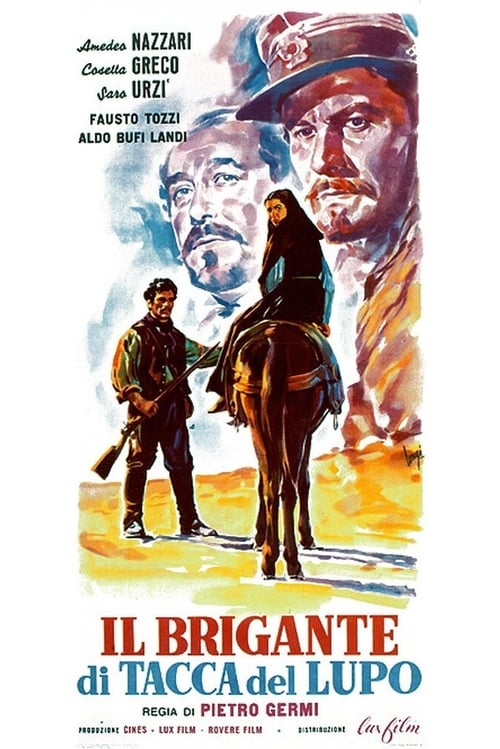
In 19th century southern Italy (near Melfi, Basilicata), a small force of soldiers fight in the hills against the bandits who are holding their country to ransom.
1969

1964
1962
1976
1976
1962
1972
1968
No reviews yet. Be the first to share your thoughts on this movie!
Use the rating form above to leave a star rating and optional review.