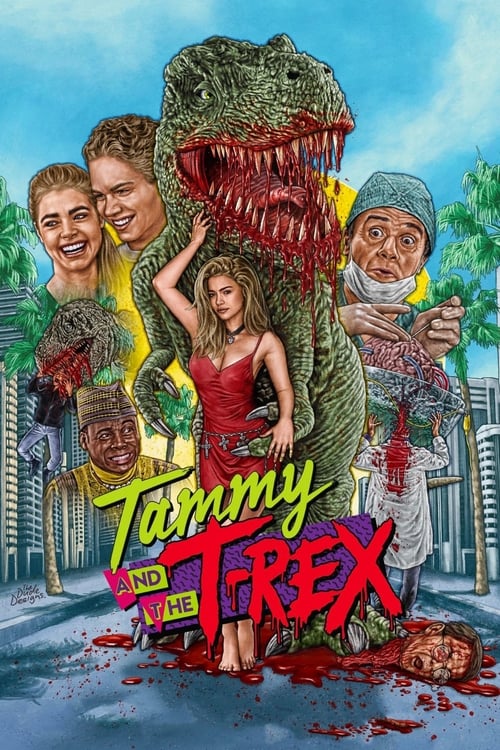
Tammy and the T-Rex
1994
No user ratings available yet
Representation score: 4.2 out of 10

Representation Score
Limited
1986
RDirector
Wes Craven
Runtime
91 minutes
Average Rating
No ratings yetNew Showbiz Analysis
Wes Craven’s *Deadly Friend* is a genre-blending horror film that emphasizes visceral thrills and scientific obsession over social complexity. The narrative follows a singular, male-driven arc that reinforces established archetypes without challenging them. The film adheres to the demographic norms of its time, focusing on a narrow, homogeneous cast. It relies on familiar formulas like the 'lonely genius' and 'tragic lost love' clichés, limiting opportunities for exploring multiple aspects of identity.
Category Breakdown
The film assumes everyone is straight and cisgender, with no representation of LGBTQ+ identities or critiques of these assumptions. There is no exploration of diverse sexual orientations or gender identities.
Traditional gender roles are prominent in the story. Paul serves as the primary intellectual force, while BB mainly triggers Paul's grief and experimentation.
The film is set in a predominantly white, middle-class college environment. The casting reflects a narrow demographic typical of 1980s films.
The film explores moral ambiguity through a non-human entity but does not critically examine Western cultural institutions such as religion or capitalism.
Psychological trauma and isolation are used as plot devices for obsession. Characters with disabilities or neurodivergence are not given meaningful representation or ability to act.
Present on Screen
Limited or Absent
Official Synopsis
When tragedy strikes his remarkable robot and the beautiful girl next door, lonely teenage genius Paul tries to save them by pushing technology beyond its known limits into a terrifying new realm.
1994
1967

1986

1958

1981
1977
1992
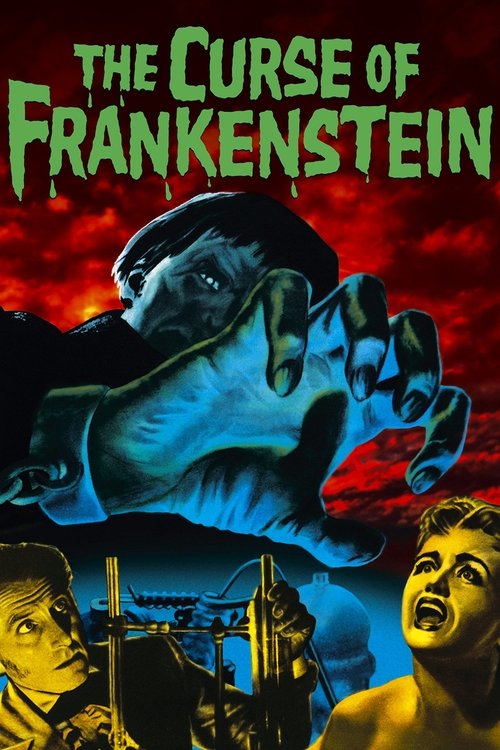
1957
No reviews yet. Be the first to share your thoughts on this movie!
Use the rating form above to leave a star rating and optional review.