
Golden Years
2017
No user ratings available yet
Representation score: 7.4 out of 10
Representation Score
Good
2020
Director
Henrik Ruben Genz
Runtime
100 minutes
Average Rating
No ratings yetNew Showbiz Analysis
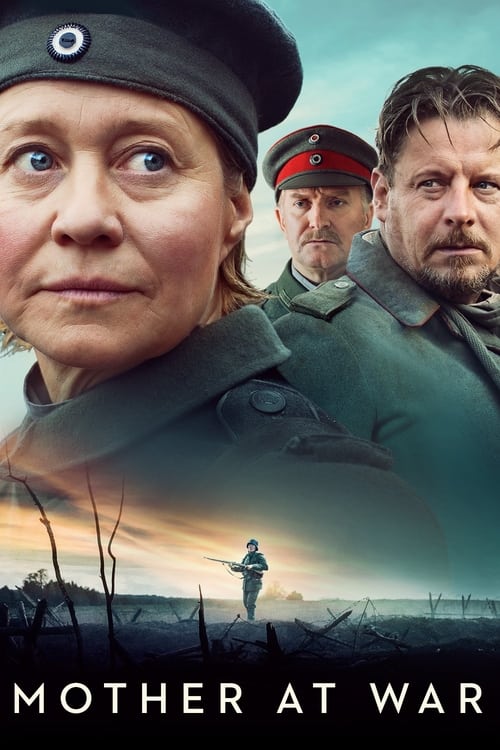
Mother at War is a character-driven historical drama that challenges traditional gender roles. By placing a woman in a combatant role through identity deception, the film explores the fluidity of gender performance. The film effectively portrays individual ability to act against systemic oppression, particularly the German Empire's military machine. However, the narrative remains limited by the historical homogeneity of its setting, offering little racial or ethnic variety. While the inclusion of a neurodivergent character adds emotional depth, the film's primary impact lies in its critique of institutional authority and its refusal to adhere to conventional war-hero clichés.
Category Breakdown
The film features Erna adopting a male identity as a survival strategy, highlighting the performance of non-traditional gender roles in a patriarchal military context.
Erna transitions from a domestic role to the front lines, showcasing physical endurance and strategic thinking. She challenges the exclusive masculinity of warfare in a 1918 setting.
The story reflects the historical homogeneity of Southern Jutland during WWI. It focuses on ethnic tensions between the local population and the occupying German Empire rather than racial mixing.
The story critiques the cruelty of conscription and the power of the German Empire. Erna's actions prioritize family over the oppressive mandates of the empire.
Kalle, a simple-minded character, introduces themes of neurodivergence. His vulnerability serves as the catalyst for Erna's journey to save him from certain death.
Present on Screen
Limited or Absent
Official Synopsis
1918. World War I rages in Europe while Erna Jensen tends to her ordinary life at home in Bramstrup, with her simple-minded son, Kalle. One day the village constable comes to enlist Kalle for military service for the German Empire – of which Southern Jutland is a part. If Erna is to save Kalle from certain death, she must follow him through thick and thin. Upon a chance meeting with a deserting solder she trades identities. Now disguised as Private Julius Rasmussen, Erna heads for the front. In her encounters with the other soldiers and in the presence of the war, unknown sides of Erna are awoken. This is the story of a woman who won’t let a war prevent her from fighting for what she loves.
2017

2017
1972

1960
1940

2024

2024

2020
No reviews yet. Be the first to share your thoughts on this movie!
Use the rating form above to leave a star rating and optional review.