Süskind
2012
No user ratings available yet
Representation score: 4.1 out of 10
Representation Score
Excellent
2025
Director
Renaud Bertrand
Average Rating
No ratings yetNew Showbiz Analysis
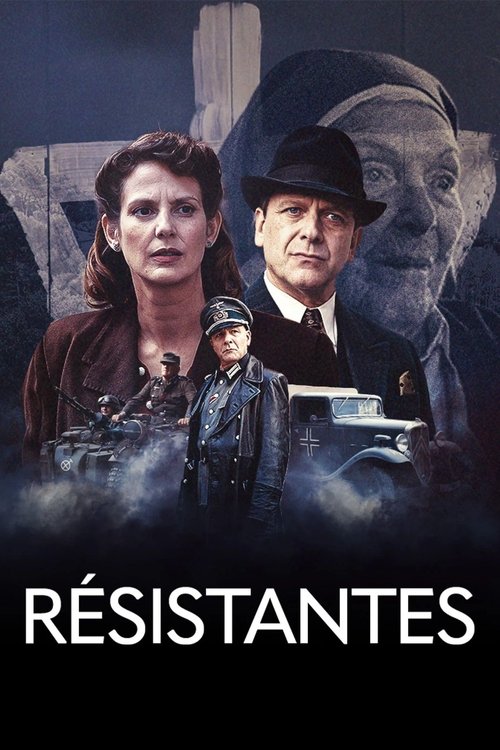
Résistantes stands out by focusing on underrepresented groups as the main drivers of wartime survival. By centering a convent run by Mother Madeleine, the film shifts the heroic focus from traditional military combat to strategic, female-led resistance. The narrative skillfully combines ethnic, religious, and sensory diversity. Protecting Jewish refugees and using a deaf girls' institute adds layers of empowerment to characters often overlooked in historical dramas. While the film successfully highlights multi-layered vulnerabilities and dismantles power structures, it lacks explicit LGBTQ+ representation. Overall, it provides a nuanced view of how diverse groups navigate systemic oppression.
Category Breakdown
The film doesn't mention LGBTQ+ identities or relationships. Although the convent setting could explore non-traditional gender roles, there's no confirmed queer subtext.
The film challenges wartime clichés by highlighting women's leadership and strategic roles in resistance. Women are shown as key figures in planning resistance, breaking the usual focus on male military heroes.
The story emphasizes the vulnerability faced by Jewish refugees, protecting them from systemic oppression. This contrasts with typical homogeneous nationalist narratives.
Religious institutions are portrayed as active participants in resistance rather than passive followers. The film highlights humanitarian efforts to protect those considered 'others.'
The inclusion of a school for deaf girls shows disability as a functional part of the story. Deafness is integrated into the resistance efforts rather than viewed negatively.
Present on Screen
Limited or Absent
Official Synopsis
1944. In France, devastated by the German occupation, part of the population resists the yoke of the occupiers, men and women who become heroes despite themselves by becoming active members of the Vaucluse resistance. Mother Madeleine, head of an institute for deaf girls, is one of these heroic women. She hides Jewish children and members of the Resistance in her convent, in defiance of the German threat.
2012
1945
2021
2017
1997

2024
2005

2020
No reviews yet. Be the first to share your thoughts on this movie!
Use the rating form above to leave a star rating and optional review.