
Gilaneh
2005
No user ratings available yet
Representation score: 8.6 out of 10
Representation Score
Good
2014
Director
Narges Abyar
Runtime
94 minutes
Average Rating
No ratings yetNew Showbiz Analysis
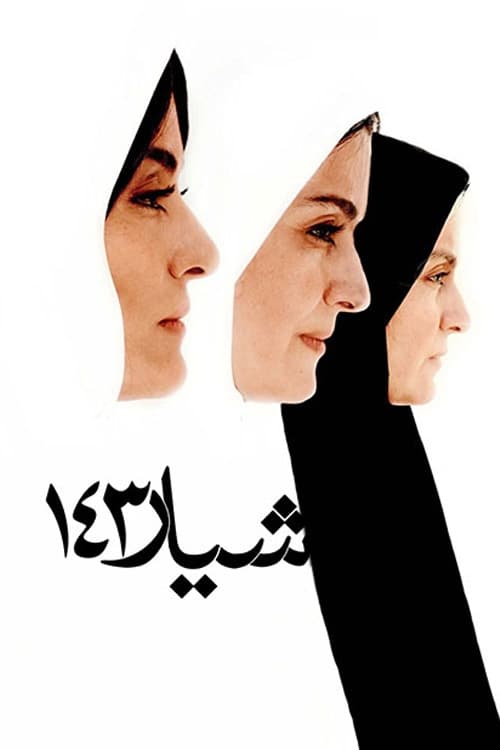
Track 143 is a sophisticated deconstruction of the war epic. By shifting the focus from the battlefield to the domestic home, it challenges the traditional hierarchy of masculine action. The film finds profound narrative strength in the endurance and psychological complexity of women. While the film remains within traditional cultural and gendered boundaries, its structural decision to prioritize female interiority provides a meaningful departure from conventional cinematic expectations. It moves the focus from soldiers to the psychological anchors left behind.
Category Breakdown
The film follows a traditional framework focused on motherhood and family, with no visible representation of non-straight or non-cisgender identities or same-sex intimacy.
The narrative shifts the focus from combat to the emotional experiences of women, making them the central figures. Olfat serves as the emotional anchor, highlighting the role of women in wartime uncertainty.
The cast is culturally homogeneous, reflecting the specific historical context of Iran. It offers an authentic, localized perspective without multi-ethnic diversity.
The story examines how large-scale political structures and nationalistic efforts affect the domestic sphere, focusing on the emotional toll of conflict on families.
The film does not center on physical disabilities but explores the psychological trauma of grief and chronic anxiety caused by systemic instability.
Present on Screen
Limited or Absent
Official Synopsis
Olfat is raising her children in hardship. She has one daughter and one son called Yonos who works in Kerman copper mine. One day, she finds a note at home with this massage "My friends and I are going to enter the war as soldiers". After reading this note, Olfat and his friend's parents got worried about their sons. When operation Valfajr failed, they received news about Yonos's friend. Olfat is waiting for her son too. As she finds out that the Iraqi radio announces the Iranian captives' names, she ties a radio on her back and carries it everywhere.
2005
2013
2019

2000
1996
2009
1995
1994
No reviews yet. Be the first to share your thoughts on this movie!
Use the rating form above to leave a star rating and optional review.