
The Twist
1976
No user ratings available yet
Diversity score: 4.7 out of 10

1985
Director
Doris Dörrie
Runtime
95 minutes
Average Rating
No ratings yetSynopsis
A successful, womanizing middle-aged man decides to move out of the house he shares with his wife after she confesses to having an affair. He looks for a new place to live and ends up moving into his wife's lover's apartment as a roommate. The husband begins to take an interest in the artistic work of the lover and coaches him for a big job interview. Little does he know that the job he's helping the lover to get is within his own company... A story about strange circumstances and the limits of friendship.
Overall Score
Fair
Category Breakdown
LGBTQ+ Representation
The film focuses on heteronormative relationship structures and traditional pairings. It lacks explicit queer identities or narratives that critique heteronormativity through a non-cisnormative lens.
Gender Representation
The narrative subverts patriarchal hierarchies by centering female sexual agency and autonomy. Masculinity is portrayed through vulnerability and instability rather than traditional dominance.
Racial & Ethnic Diversity
The cast is predominantly white and European, reflecting its 1985 West German production context. The film maintains a homogeneous demographic without diverse ethnic backgrounds.
Religious & Cultural Diversity
The story critiques the nuclear family and marriage by treating domestic breakdown as a catalyst for personal growth. It prioritizes individual autonomy over traditional Western social norms.
Disability Representation
There is no significant evidence regarding the portrayal of physical or neurodivergent disabilities in the narrative.
Strengths
Areas for Improvement
AI Analysis
Doris Dörrie’s film is a progressive deconstruction of the domestic unit, scoring highly for its subversion of gender roles. By shifting the focus toward female desire and the instability of male authority, the film challenges the traditional patriarchal household. However, the film is limited by its historical context, resulting in low scores for racial and LGBTQ+ representation. The cast remains demographically homogeneous, and the narrative architecture stays within heteronormative bounds. Ultimately, the film's strength lies in its cultural critique of Western institutions, using the breakdown of marriage to explore postmodern identity and agency.
1976

2020
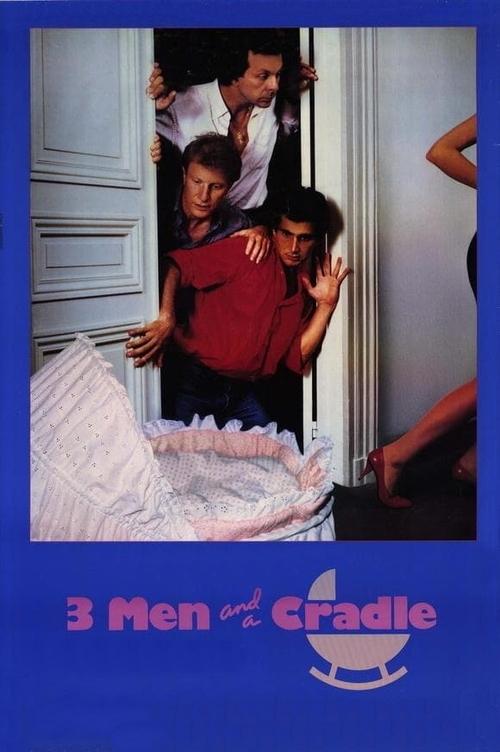
1985

1968

1974

1996

2017

1992

1976

1987

2012
1969
No reviews yet. Be the first to share your thoughts on this movie!
Use the rating form above to leave a star rating and optional review.